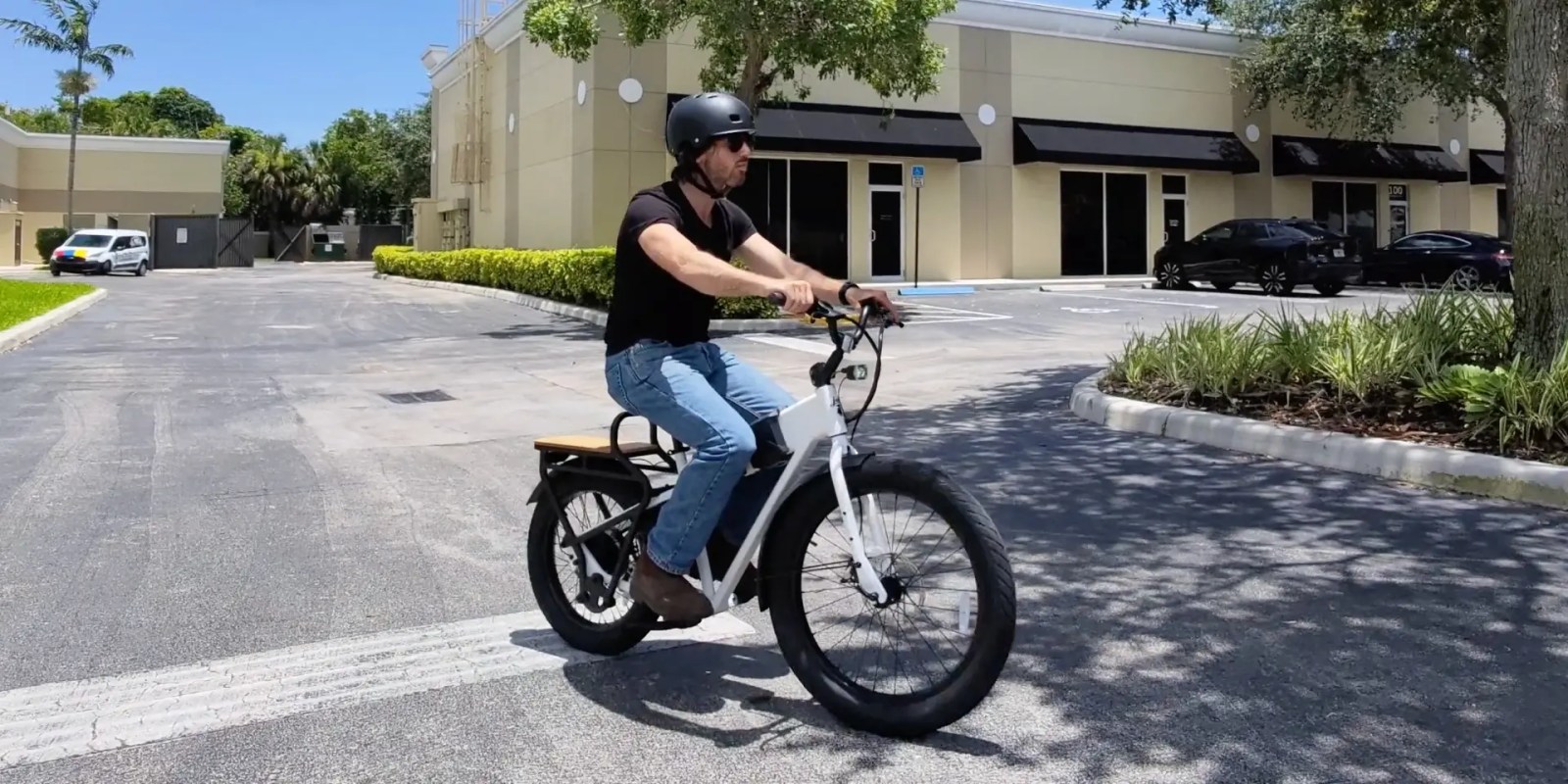
The e-bike category faces a definitional crisis as manufacturers blur lines between pedal-assist vehicles and throttle-only electric scooters. Current regulations and consumer expectations treat these categories as distinct, but functional overlap demands a rethinking of how the industry classifies micromobility devices.
E-bikes traditionally require pedaling, either with motor assistance kicking in when the rider pedals or with pedals available as backup. Throttle-based e-bikes skip the pedaling requirement entirely, functioning more like electric scooters with bicycle frames. This distinction matters legally. Many jurisdictions cap e-bike motor power at 750 watts and restrict throttle-only models to lower wattages or reclassify them as mopeds requiring licensing and registration.
The Jackrabbit MG cargo model exemplifies this blurred boundary. These vehicles serve identical transportation purposes—moving people and cargo through cities efficiently—yet regulatory frameworks treat them differently based on whether pedals exist. A commuter using throttle-only power covers the same distance and produces the same congestion benefits as a pedal-assist rider, but faces different licensing burdens.
Consumer behavior backs this argument. Most e-bike buyers want effortless mobility, particularly for cargo hauling or longer urban commutes. Pedals become safety redundancy rather than primary propulsion on many devices. A device's actual impact on urban transportation depends on its motor capability, weight, speed, and real-world usage patterns, not on pedal aesthetics.
However, pedal requirements serve practical purposes. Pedaling generates community acceptance, provides emergency backup without battery power, and keeps riders engaged with their vehicles. Some argue this keeps e-bikes closer to traditional bicycles, preserving them in bicycle infrastructure rather than pushing them toward scooter lanes.
The industry should shift toward function-based classification. Group vehicles by motor power, weight, and