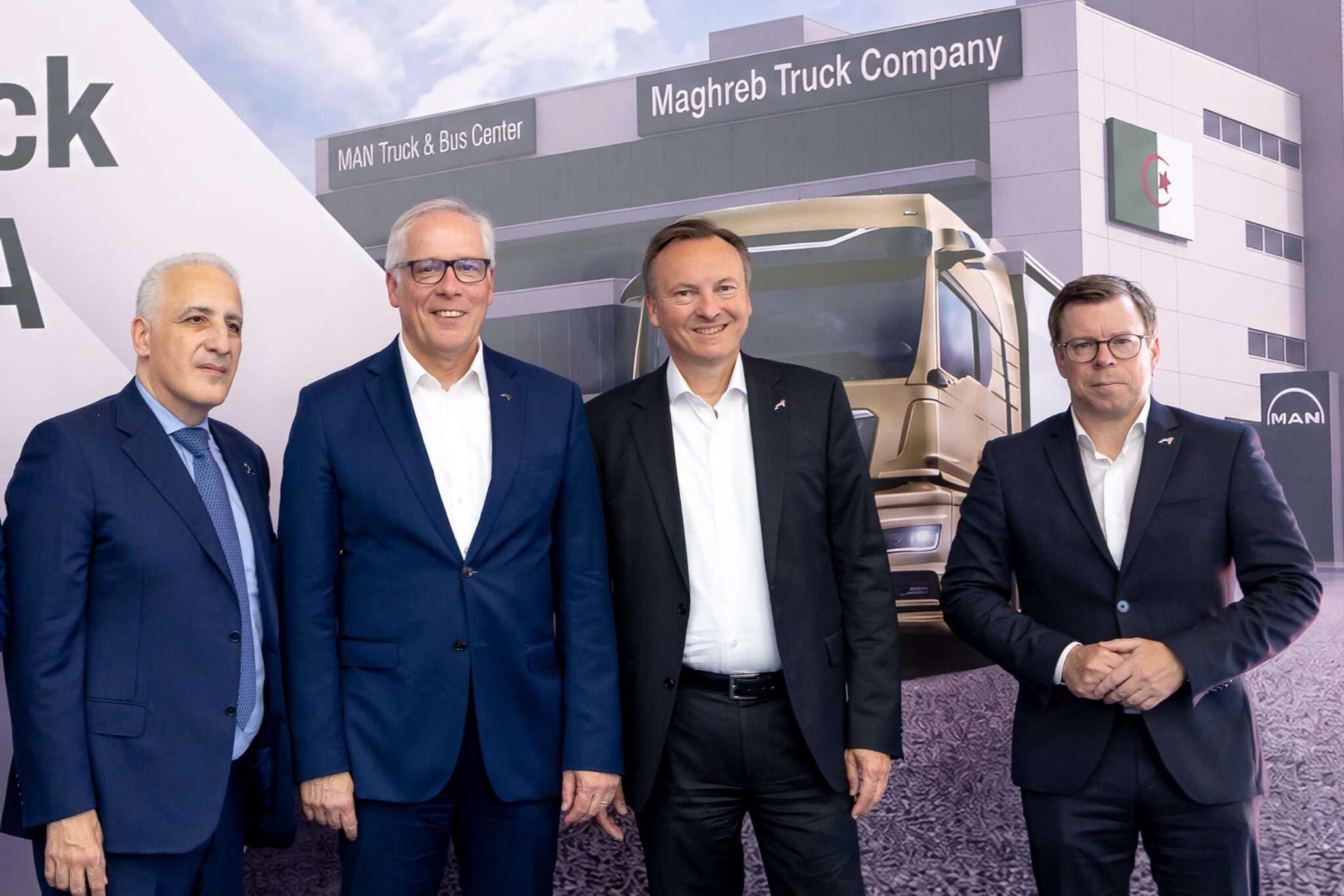
MAN Truck & Bus relaunched completely knocked down (CKD) assembly operations in Algeria through a partnership with local manufacturer MTC. The move marks the German commercial vehicle maker's return to a market where tariff barriers and local content requirements make traditional imports unviable.
CKD assembly represents a crucial strategy for heavy-duty truck makers navigating protectionist trade policies across Africa and emerging markets. Rather than shipping fully assembled vehicles, MAN ships component kits that local partners assemble, reducing import duties and satisfying domestic content mandates. Algeria enforces both mechanisms, making direct sales economically unworkable for foreign OEMs.
MAN's TGX and TGS truck lines form the backbone of its emerging-market push. By leveraging CKD models, the manufacturer addresses two simultaneous challenges. First, it preserves margin on vehicles that would otherwise face prohibitive tariffs. Second, it creates local manufacturing jobs, satisfying political requirements that governments increasingly demand from foreign investors.
The Algeria operation positions MAN against competitors like Volvo, Scania, and Mercedes-Benz, all of whom deploy CKD strategies in regulated markets. Volvo operates assembly in Egypt and Morocco. Scania maintains presence across West Africa through similar partnerships. Mercedes pursues CKD deals in South Africa and multiple north African nations.
MTC brings local market knowledge and distribution networks that MAN lacked operating solo in Algeria. The Algerian partner handles final assembly, sales, and service, reducing MAN's capital requirements while building equity in the partnership.
African markets matter increasingly for European truck makers as European demand stagnates and emission regulations compress margins. Algeria's commercial vehicle market, driven by infrastructure construction and petroleum industry logistics, offers volume potential. A functioning CKD assembly line signals MAN's commitment to the region beyond opportunistic exports.
The move reflects broader manufacturing