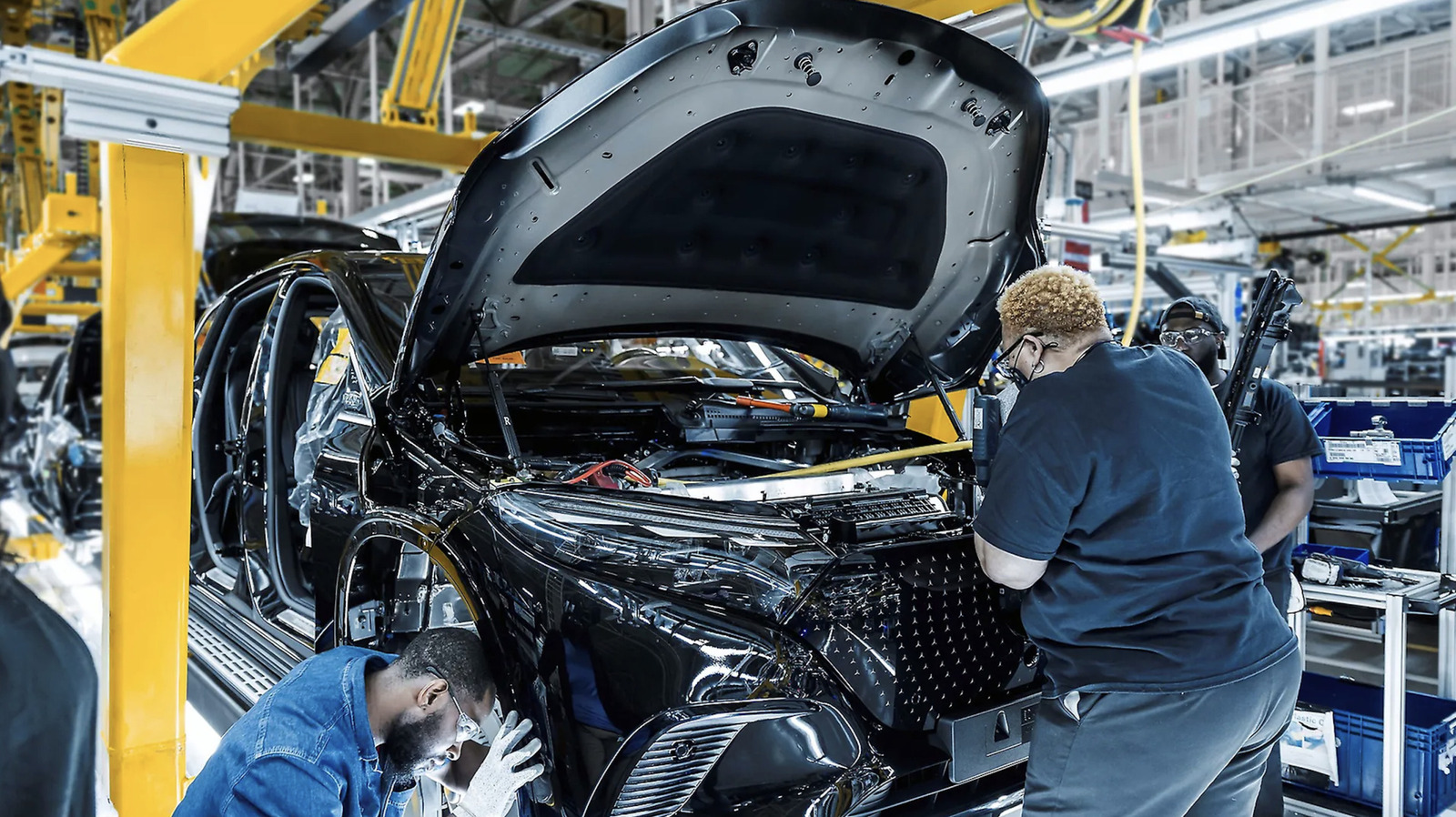
Mercedes-Benz faces potential Chinese ownership restrictions, but the German automaker may have until 2030 to comply with new regulations being considered by a U.S. Senate panel. The extended timeline reflects the scale of Mercedes' American operations, which sold 343,000 vehicles domestically in 2025 and sustain thousands of U.S. jobs across manufacturing, distribution, and support functions.
The regulatory push targets foreign ownership structures in the automotive sector, particularly from China, as part of broader efforts to protect American supply chains and manufacturing capacity. A complete ban on Mercedes would create significant market disruption given the brand's established position and sales volume in the U.S. luxury segment.
Mercedes operates substantial American infrastructure, making an abrupt compliance deadline economically disruptive. The proposed 2030 window gives the Stuttgart-based manufacturer time to restructure ownership arrangements or adjust operational models to align with U.S. requirements without forcing immediate divestment or operational shutdown.
This regulatory discussion reflects growing Washington concern about foreign investment in critical industries. China's expanding automotive footprint globally has prompted policymakers to examine ownership patterns and their implications for American manufacturing. The automotive sector, already subject to heavy tariff scrutiny and supply chain reviews, now faces additional ownership transparency requirements.
For Mercedes specifically, the situation requires careful navigation. The company must monitor Senate proceedings while potentially engaging with regulators on compliance pathways. A 2030 deadline preserves business continuity but creates planning uncertainty for a major automaker with deep U.S. market presence.
The broader implication affects multiple foreign automakers with complex ownership structures. Luxury brands particularly depend on established American dealer networks and customer loyalty, making forced restructuring costly. Mercedes' 343,000-vehicle annual sales volume represents substantial economic activity that Washington policymakers clearly weigh against national security concerns.