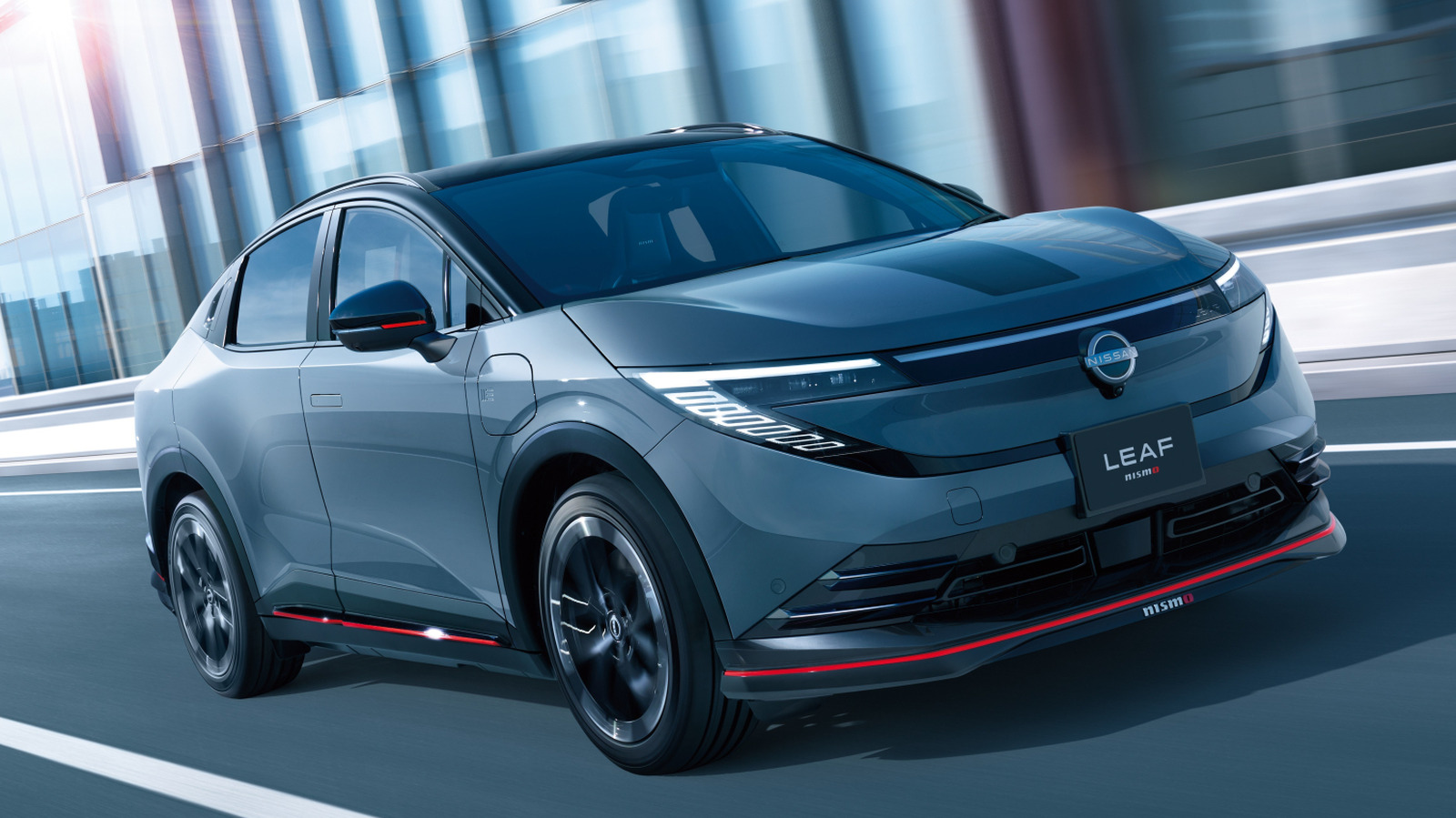
Nissan unveiled the Leaf Nismo, bringing performance credentials to its mass-market electric hatchback. The move signals a shift in how manufacturers approach affordable EVs, blending practicality with driving dynamics that enthusiasts actually want.
The Nismo treatment traditionally reserved for Nissan's sports cars now extends to the EV segment. This represents a calculated bet that buyers of affordable electric vehicles don't have to accept dull, disconnected driving experiences. By adding Nismo's tuning expertise to the Leaf platform, Nissan addresses a real gap in the market where price-conscious EV shoppers often sacrifice engagement for efficiency.
The Leaf Nismo likely features suspension refinements, steering calibration, and chassis tuning that differentiate it from the standard Leaf. Nismo's track-tested development process typically yields noticeable improvements in handling precision and response, traits that transform daily driving from merely functional to genuinely enjoyable.
This move arrives as the EV market matures beyond early-adopter phases. Competitors like Hyundai, Kia, and Tesla already offer spirited electric vehicles across multiple price points, pushing traditional automakers to match performance expectations. Nissan recognizes that affordable doesn't mean forgettable, especially as younger buyers prioritize both sustainability and driving satisfaction.
The Leaf Nismo also provides brand continuity. Nismo carries decades of racing heritage and tuning expertise at Nissan, lending credibility that simple cosmetic refreshes cannot match. Applying that legacy to an accessible model democratizes performance in ways that broaden Nismo's appeal beyond expensive sports cars.
For Nissan, this strategy carries risk and reward. Success requires delivering tangible handling improvements that justify the Nismo badge and potential price premium. Failure would amount to badge engineering that customers reject. Early reception suggests enthusiasm from enthusiasts who