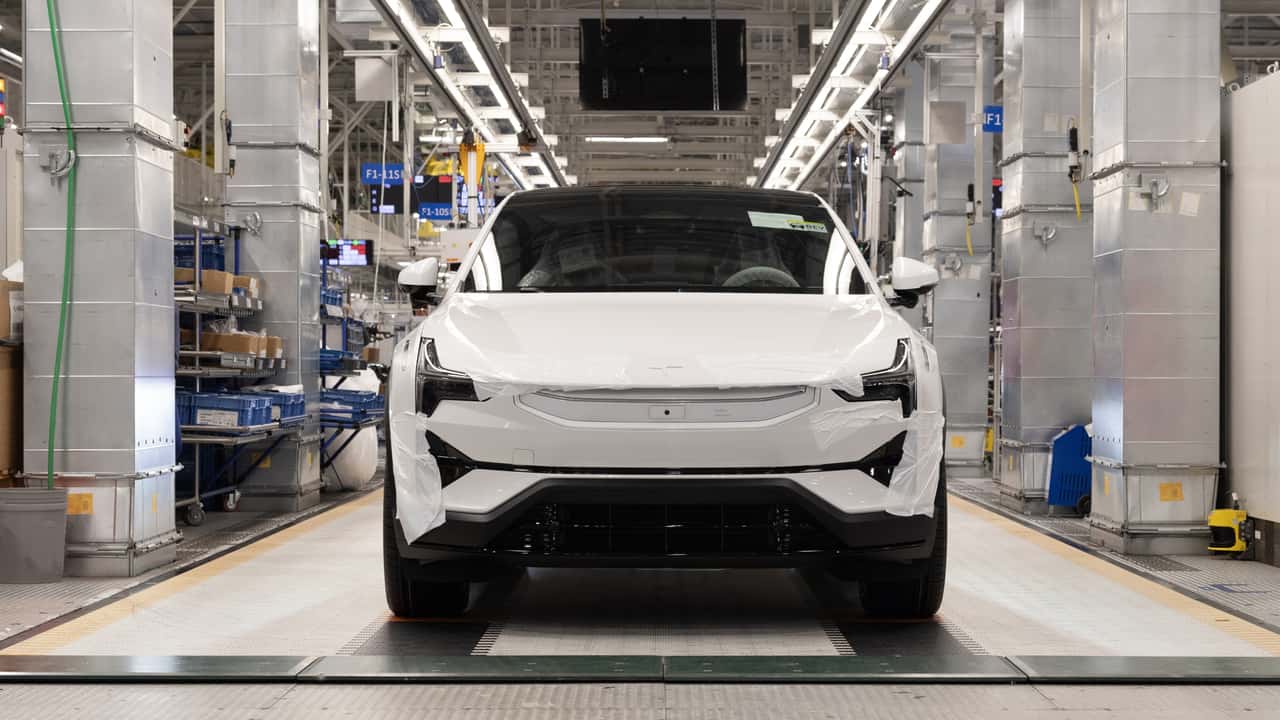
Polestar abandons its fight against a U.S. sales ban, leaving dealers stranded with unsold inventory and uncertain futures. The premium EV brand conducted "significant dialogue" with American authorities but concluded an appeal would prove futile, according to company statements.
This decision marks a dramatic collapse for Polestar's American ambitions. The Chinese-owned performance EV maker, backed by Volvo and Geely, had aggressively expanded dealer networks across the country. Dealers invested capital in showrooms, training, and marketing infrastructure based on Polestar's growth projections. Now many face the prospect of closed dealerships and liquidated inventory without recourse.
The ban stems from regulatory concerns about Chinese ownership and control of Polestar's operations. U.S. authorities, citing national security and supply chain vulnerabilities, blocked further vehicle imports and dealership expansion. Rather than mount a legal challenge that company leadership deemed unwinnable, Polestar chose surrender.
Dealers shoulder the consequences. Those holding unsold 2024 and 2025 model year vehicles cannot expect manufacturer support for customer acquisitions. Service networks face obsolescence as warranty claims pile up and parts availability becomes uncertain. Some dealers report lost investments exceeding six figures.
Industry observers note this reflects broader tensions between Chinese automotive ambitions and American protectionist policies. EV makers from China face structural disadvantages in the U.S. market regardless of product quality. The Polestar situation demonstrates that no amount of performance credentials, design accolades, or technical merit overcomes geopolitical friction.
Polestar customers already own vehicles will retain support, the company confirmed. But prospective buyers searching for the brand's high-performance EVs must now look elsewhere, likely toward Tesla, Porsche's Taycan, or traditional luxury performance makers. The decision leaves a cautionary tale for foreign