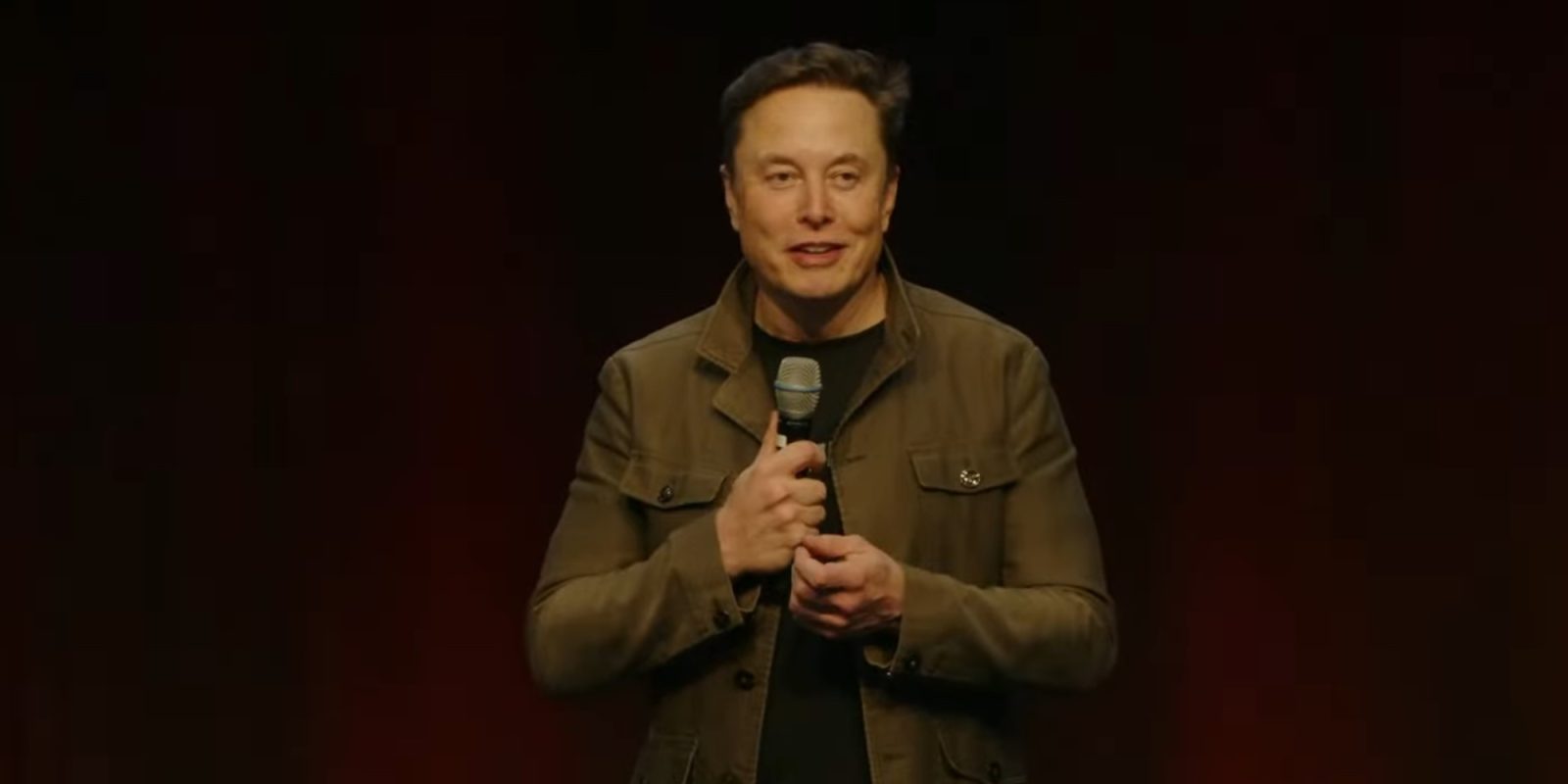
Tesla's stock plummeted 12 percent today, erasing $140 billion in market value after the automaker reported Q2 2026 earnings that disappointed on profit while free cash flow swung negative. The decline accelerated during the earnings call when Elon Musk reiterated multi-year promises about robotaxis and the Optimus humanoid robot without delivering concrete timelines or proof of progress.
Investor patience has worn thin. Musk has been discussing full self-driving capability and autonomous robotaxi deployment since at least 2015, with repeated promises of imminent launches that failed to materialize. The same pattern continues with Optimus, which remains years away from meaningful production. Analysts and shareholders increasingly view these announcements as empty marketing rather than engineering reality.
The earnings miss compounds the credibility problem. Negative free cash flow signals Tesla's cash generation engine is stalling despite the company's scale. Profit misses suggest margin compression, likely from aggressive pricing in competitive markets where Tesla no longer holds unchallenged dominance. Traditional automakers now field competitive EVs globally, while Chinese competitors like BYD and Li Auto pressure Tesla's market share.
What's changed is not Musk's promises but investor appetite for them. During Tesla's hypergrowth phase, the market forgave missed timelines because production and delivery numbers climbed relentlessly. Now, with growth slowing and profitability under pressure, "trust me" doesn't cut it anymore. Shareholders want results, not visions.
The $140 billion wipeout reflects deeper concerns. Investors question whether Musk's attention is divided between Tesla, X (formerly Twitter), and other ventures. They worry about execution risk on the upcoming affordable vehicle and the viability of the Cybertruck strategy. Robotaxi and Optimus remain unproven business models with uncertain