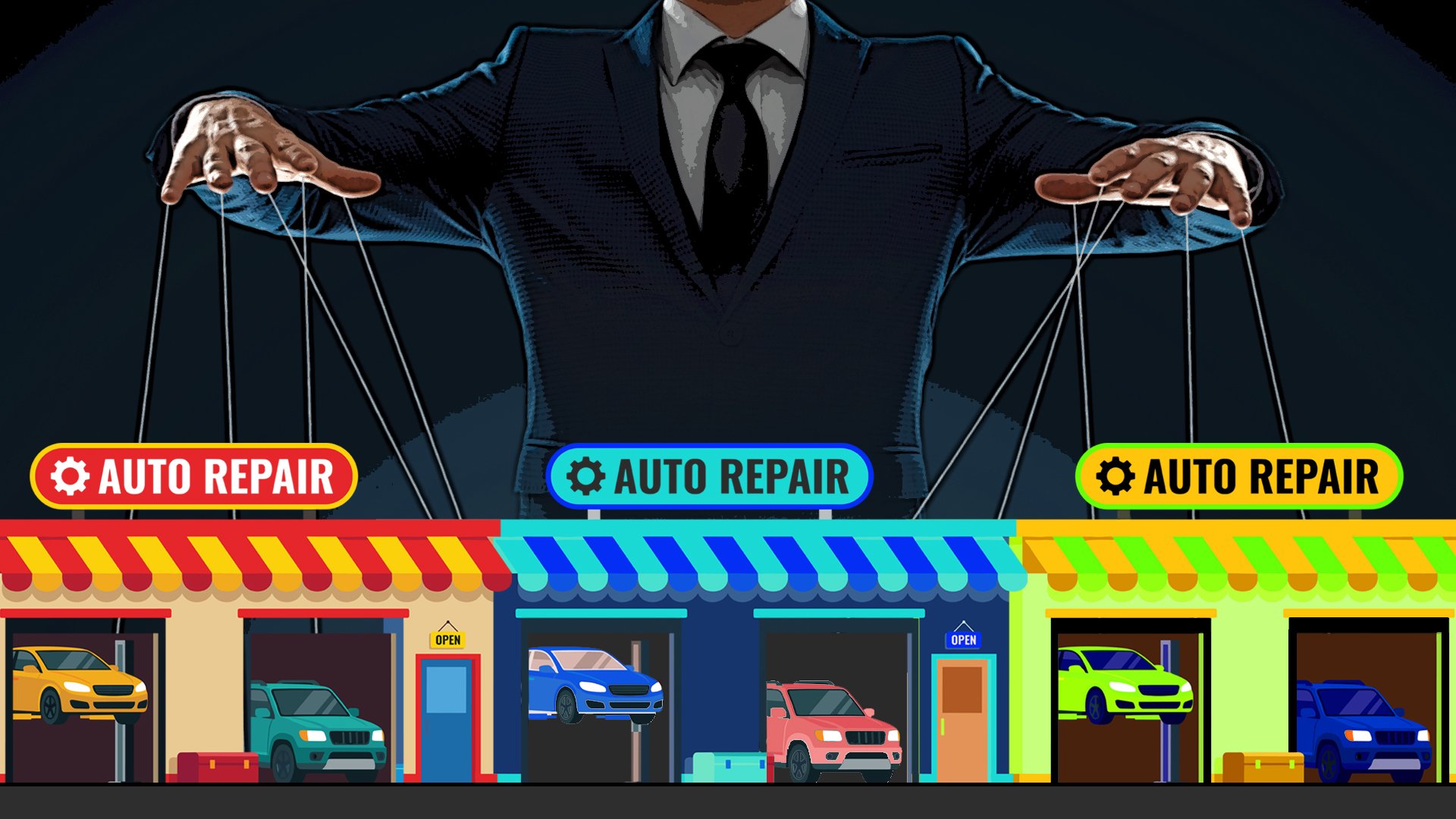
Mavis Tire and Brake has acquired Pep Boys, accelerating a private equity consolidation wave that now concentrates the American aftermarket service industry into roughly six major holding companies. This latest deal represents another step in a years-long strategy to bundle independent and regional service chains under centralized ownership, creating economies of scale while fundamentally reshaping how consumers access routine maintenance and repairs.
Private equity firms have systematically acquired tire shops, brake specialists, and general service centers across North America. These acquisitions allow holding companies to standardize operations, reduce costs through bulk purchasing, and cross-leverage customer bases across geographically dispersed locations. Mavis, itself owned by private equity, now absorbs Pep Boys' nationwide footprint and established brand recognition, eliminating a competitor while consolidating market reach.
The consolidation creates efficiency gains. Centralized management reduces administrative overhead, standardizes pricing models, and enables consistent quality control across hundreds of locations. Supply chain leverage means higher volume discounts on parts and materials. For consumers, this translates to potentially lower prices and more predictable service standards.
However, the trend carries downsides. Consolidation reduces consumer choice as independent service shops struggle to compete against consolidated chains backed by deep capital. Local expertise and relationships disappear when regional operators fold into larger networks. Service quality sometimes suffers after acquisition as new owners prioritize cost-cutting and standardization over service excellence. Technician retention becomes problematic when operations shift to centralized models focused on throughput rather than craftsmanship.
The six major players now control most of the visible service infrastructure in America. Their oligopoly power extends to pricing decisions, labor practices, and service protocols that ripple across the entire industry. Dealerships face competition from these consolidated chains on routine maintenance, pressure-testing profit margins on service departments.
For consumers, the landscape looks simpler on the surface. But the