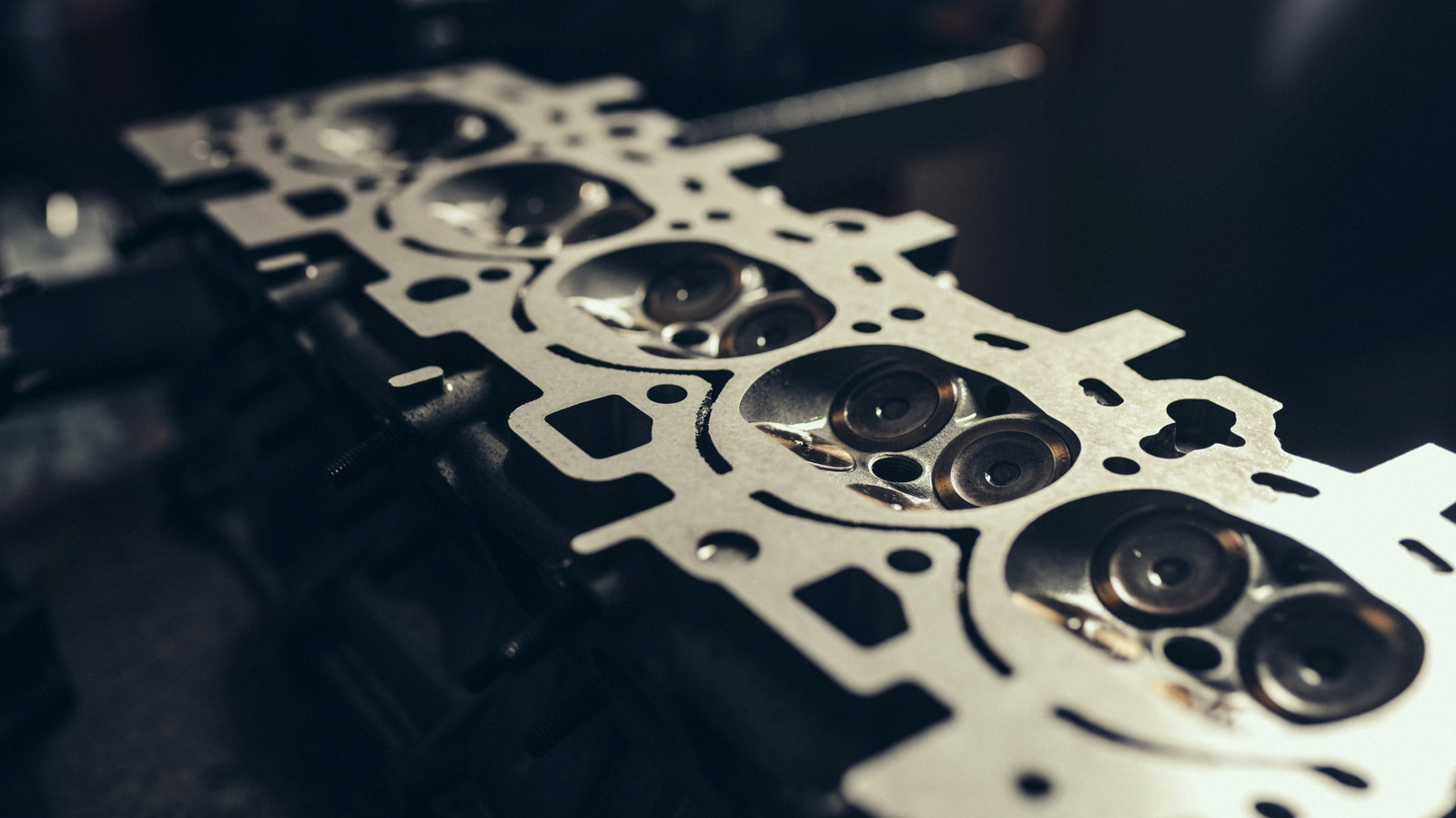
# Combustion Chamber Quench And Engine Efficiency
Quench in an engine's combustion chamber refers to the cooling effect that occurs near the chamber walls during the compression and combustion phases. This phenomenon directly impacts engine efficiency, emissions, and knock resistance.
The combustion chamber's geometry creates a thin layer of cooler gas near the cylinder walls. This quench zone prevents the end gas, the last portion of fuel-air mixture to burn, from reaching detonation temperatures. Detonation, or engine knock, destroys power output and can damage pistons and valves over time. By maintaining lower temperatures in this boundary layer, quench suppresses knock naturally, allowing engineers to raise compression ratios without sacrificing reliability.
Modern engines exploit quench deliberately through chamber design. Manufacturers optimize the distance between the piston crown and cylinder head at top dead center to maximize this cooling benefit. Tighter clearances improve quench effectiveness. Ford, General Motors, and Toyota have all invested in quench-optimized combustion chambers across their lineups, from compact turbocharged engines to large displacement motors.
The performance gains matter. Better quench tolerance means higher octane efficiency, letting engines produce more power from regular 87-octane fuel without pinging. It also reduces hydrocarbon and nitrogen oxide emissions by ensuring more complete combustion. Turbochargers and superchargers compound the benefit, since forced-induction engines operate at elevated pressures where knock risk escalates.
Quench also affects thermal efficiency. The cooler boundary layer slows combustion chemistry near the walls, reducing heat transfer losses to the engine block. This translates to more energy converting to useful work rather than waste heat. Engineers balance quench against other design priorities like fuel spray patterns and turbulence generation to achieve optimal burn rates.
For consumers, understanding quench explains why modern engines deliver better efficiency and reliability than