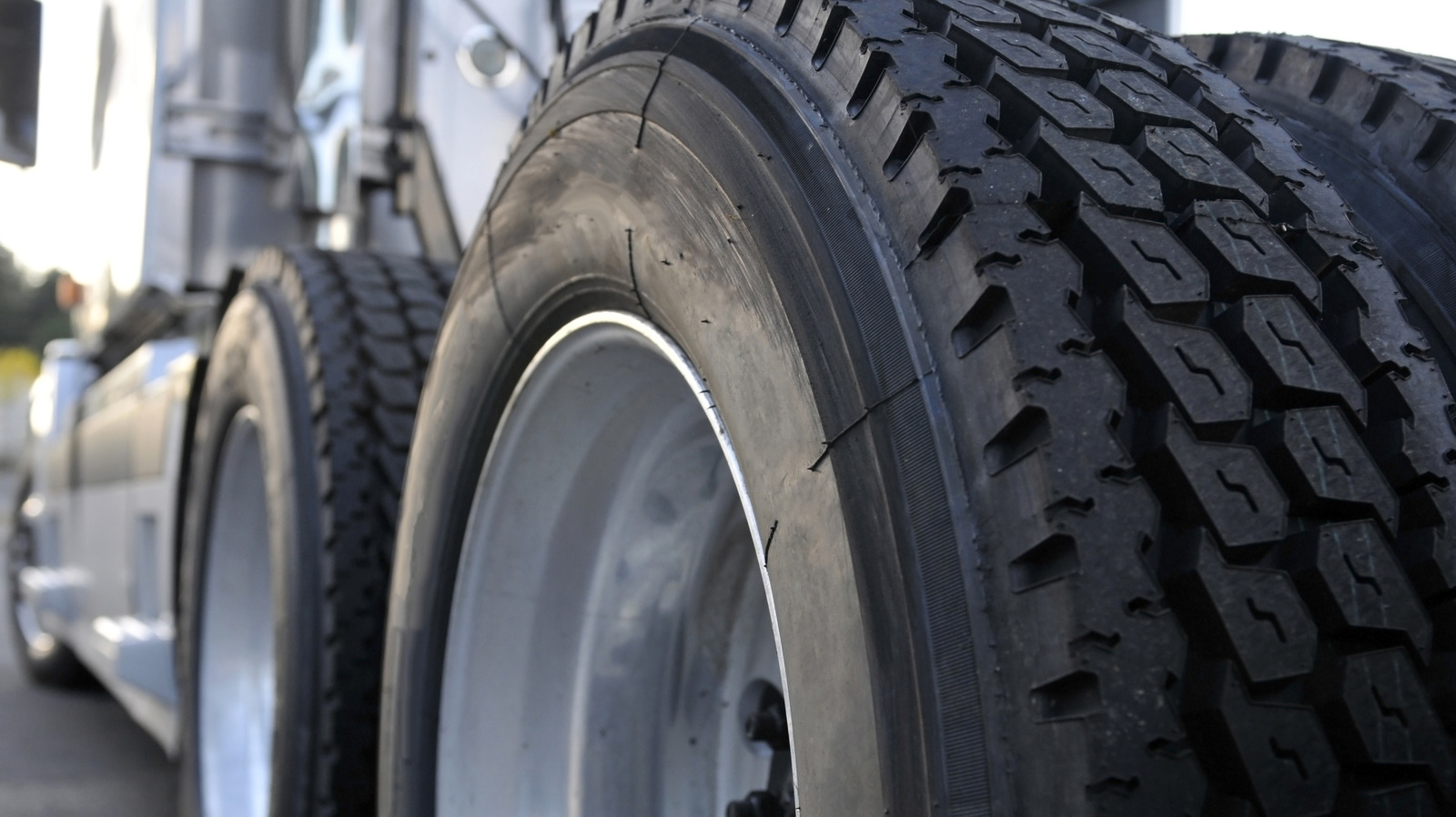
Semi trucks mount three distinct tire types across their axle positions, each engineered for vastly different demands. The steer axle carries the front steering tires, which prioritize directional control and must handle cornering forces while maintaining precise feedback to the driver. These tires feature shallower tread patterns and harder compounds designed to resist wear during constant turning and braking inputs.
Drive axle tires power the truck forward, absorbing massive torque loads from the engine. Manufacturers design these tires with deeper, more aggressive tread to grip the road during acceleration and maintain traction in wet conditions. The rubber compounds remain softer than steer tires to maximize grip, but this comes at the cost of accelerated wear.
Trailer tires represent the third distinct type. These tires roll unpowered at the rear, experiencing minimal steering input and steady-state loads. Manufacturers can optimize them purely for rolling efficiency and load-carrying capacity, using harder compounds that reduce fuel consumption while still maintaining adequate grip for braking.
This specialization reflects the physics of heavy-truck operation. A steer tire cannot survive the torque punishment of a drive position, while a drive tire would wear excessively if used for steering. Trailer tires prioritize longevity and fuel economy over responsiveness, a trade-off irrelevant to their role.
Fleet operators understand this economics. Mixing tire types or installing the wrong tire in the wrong position destroys fuel economy, accelerates failures, and compromises safety. A worn steer tire creates dangerous steering lag; a worn drive tire loses traction under load; a failing trailer tire can cause jack-knife incidents.
The regulatory environment reinforces these distinctions. DOT requirements specify minimum tread depths for each position, recognizing that steer, drive, and trailer tires fail for different reasons. Trucking companies that skimp on proper tire selection