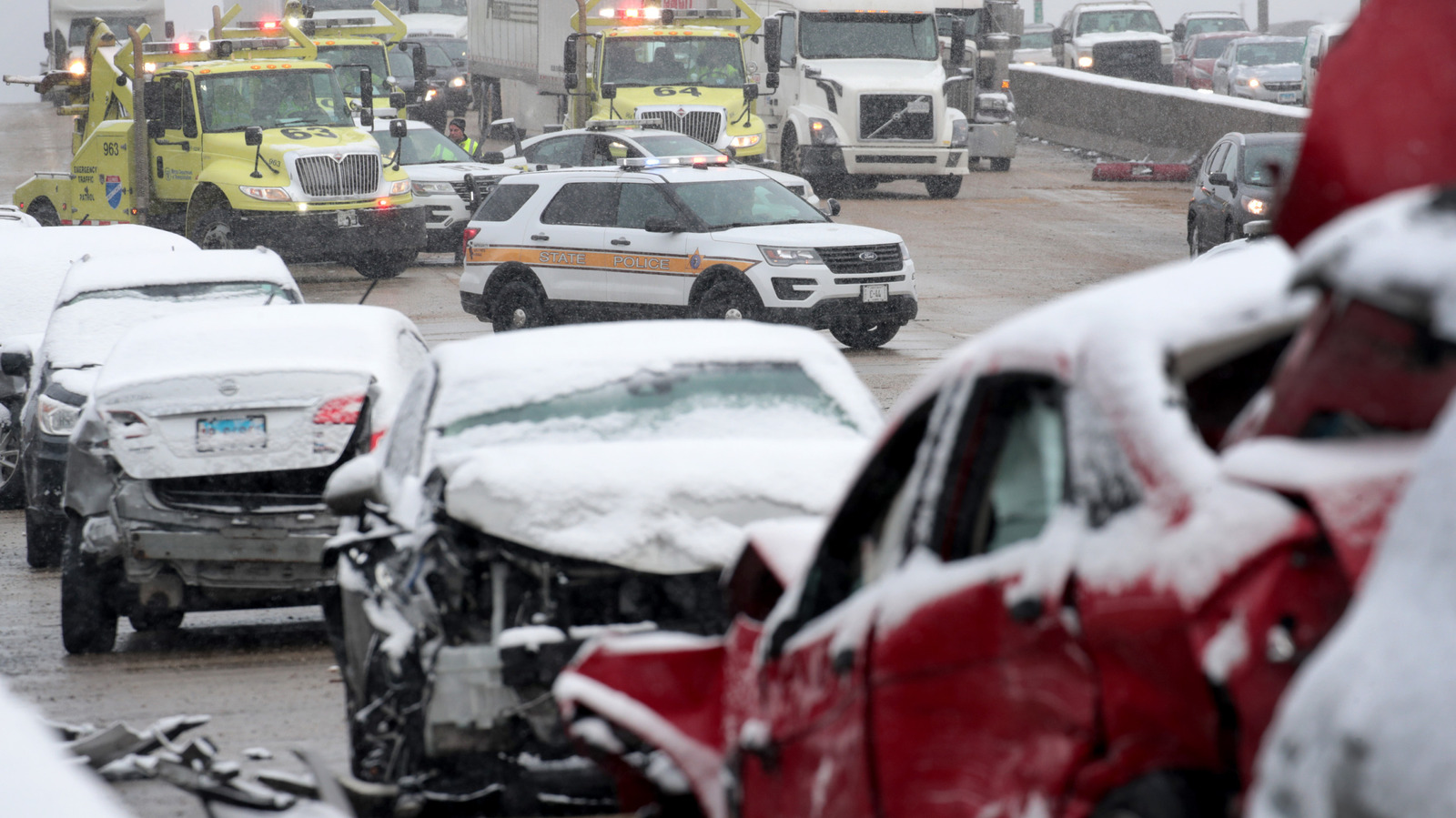
# Why Severe Highway Crashes Lead to Devastating Secondary Accidents
A primary highway collision creates immediate hazards, but secondary accidents multiply the danger exponentially. These follow-on crashes occur when vehicles encounter debris, disabled cars, or slowed traffic from an initial incident.
Highway crashes trigger cascading failures in traffic flow. The first collision scatters wreckage across lanes, forces emergency braking, and creates sudden congestion. Drivers approaching the scene at highway speeds struggle to react in time, especially at night or in poor visibility. Stopping distances from 65 mph exceed 300 feet. A distracted or drowsy driver covers that distance before even noticing brake lights ahead.
Secondary crashes claim lives at higher rates than initial impacts. First responders and tow trucks working the scene face constant risk from oncoming traffic. Disabled vehicles blocking lanes force other motorists into unexpected maneuvers. Rubbernecking slows traffic further, compounding the danger zone.
Weather amplifies secondary crash risk. Rain, snow, and fog reduce visibility and grip precisely when drivers need both. Night crashes prove deadlier because headlights reveal hazards only seconds before impact.
Modern highway design fails to address this. Most roads lack sufficient shoulder width, merge assistance, or automated hazard warnings. Some states deploy arrow boards and flares, but coverage remains inconsistent.
Prevention requires multiple layers. Enhanced brake lights alert trailing drivers earlier. Autonomous emergency braking systems catch inattentive drivers before they strike disabled vehicles. Better highway lighting extends reaction time.
Drivers should increase following distance to six seconds or more. Slowing down when approaching accident scenes saves lives. Activating hazard lights immediately after a crash warns oncoming traffic.
The insurance industry recognizes secondary crash patterns. Higher premiums in high-crash corridors reflect this reality. Road design that separates broken-down vehicles from traffic