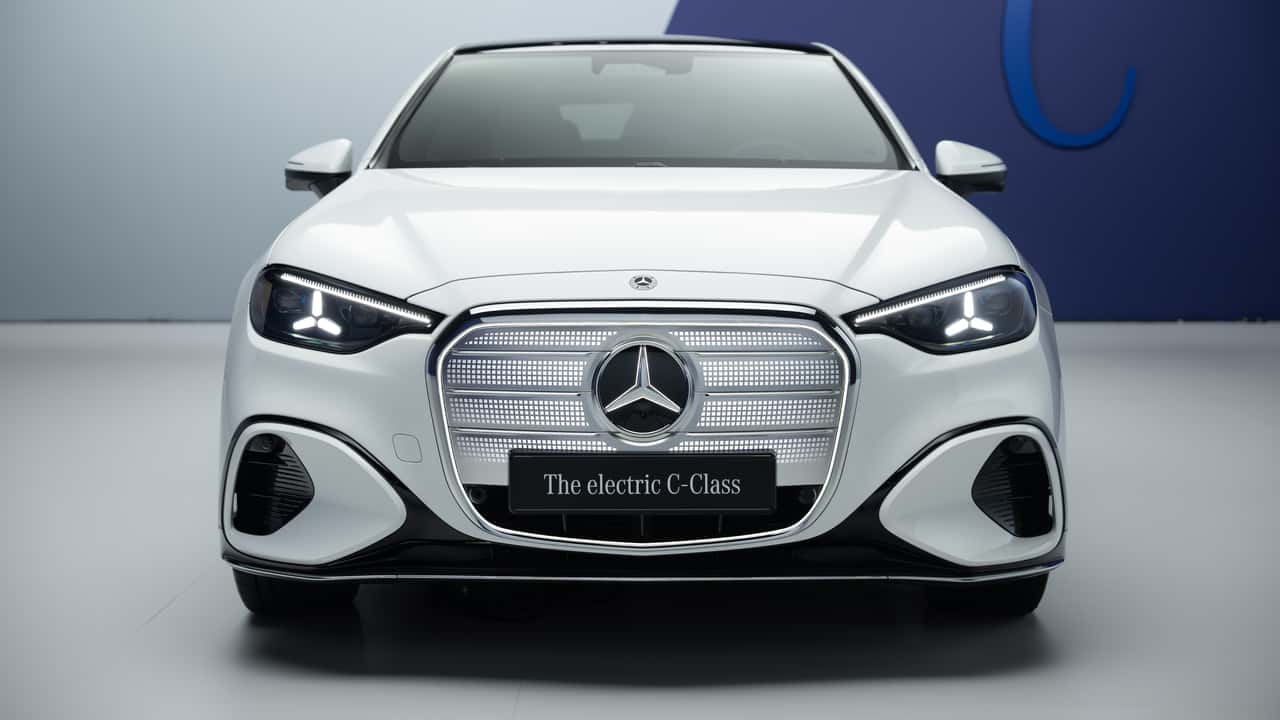
The Senate advanced legislation targeting Chinese vehicle ownership stakes in the American market, with provisions that could ensnare German luxury brands alongside outright Chinese manufacturers.
The bill establishes ownership thresholds that would prohibit automakers with significant Chinese equity from selling vehicles domestically. Mercedes-Benz faces exposure because its parent company Geely, owned by Chinese billionaire Li Shufu, holds stakes in various automotive ventures. While Mercedes itself remains German-controlled, the legislation's broad language creates ambiguity around corporate structures with Chinese financial interests.
The timing reflects escalating trade tensions between Washington and Beijing. American policymakers worry that Chinese automakers like BYD, which now outsells Tesla globally in EV deliveries, could dominate the U.S. market if barriers fall. The legislation essentially preempts that scenario by blocking market entry before Chinese EVs gain traction stateside.
The bill's mechanics matter. It doesn't target Chinese-sourced parts or manufacturing. Rather, it focuses on ownership percentages at the parent company level. This distinction protects established manufacturers with Chinese suppliers but targets ownership control specifically. Mercedes navigates this because Geely, controlled by Li Shufu's Zhejiang Geely Holding, influences strategic decisions across multiple brands.
American automakers welcome the protectionist stance. Ford, General Motors, and Stellantis face an EV transition costing hundreds of billions of dollars. Chinese competitors arriving with lower-cost batteries and manufacturing expertise threaten their recovery timelines. The legislation buys Detroit breathing room.
Luxury automakers worry about unintended consequences. European brands with Chinese investors could face restrictions, complicating their capital structures and strategic partnerships. Volvo, owned by Geely, already navigates these waters carefully.
The bill still faces hurdles before final passage, but Senate advancement signals serious intent. Chinese automakers currently lack