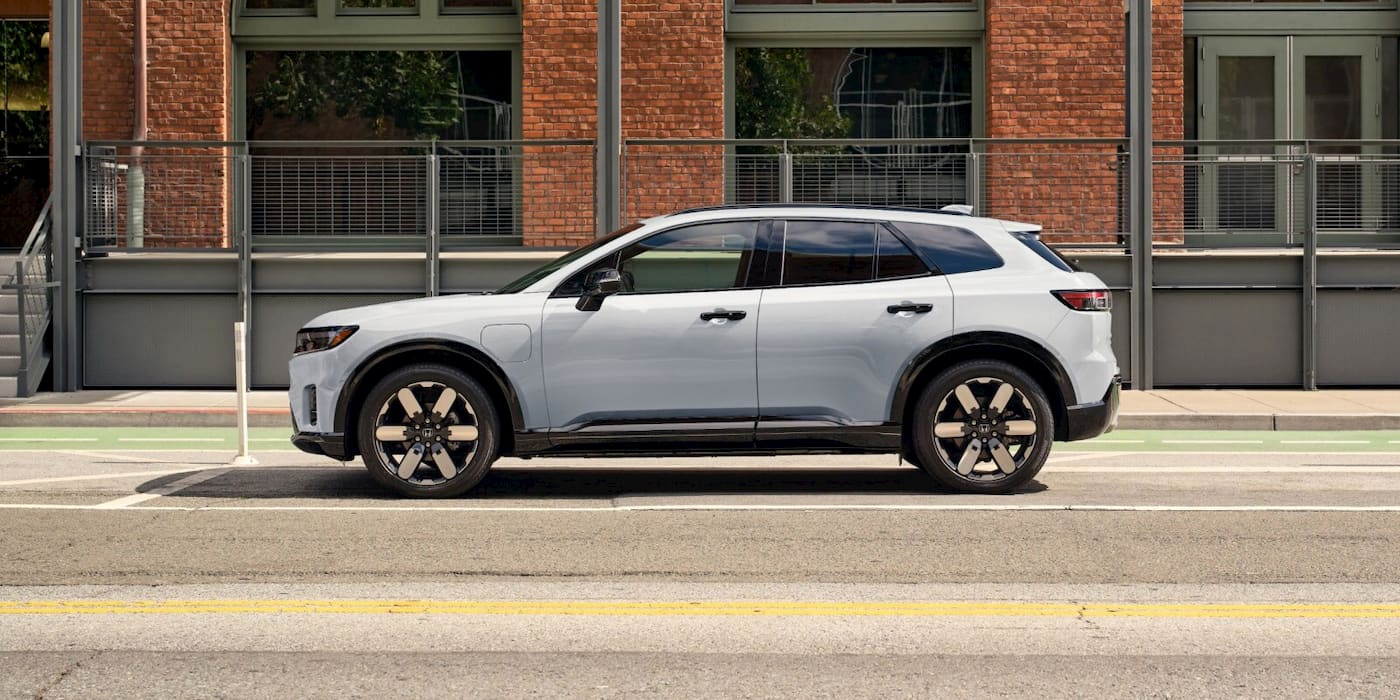
Honda abruptly canceled the Prologue, its sole electric vehicle for the U.S. market, and now pitches existing owners toward hybrid alternatives. The messaging backfired spectacularly with actual EV buyers, who reject the proposition outright.
The Prologue, Honda's three-row electric SUV, represented the automaker's limited commitment to battery power. Rather than expand the lineup, Honda shelved it entirely. Company communications this month advised current owners to "consider a hybrid" as a replacement option, fundamentally misreading owner sentiment.
EV adopters who switched to the Prologue experienced daily benefits hybrids cannot replicate. Electric motors deliver instant torque, silent cabins, zero tailpipe emissions, and lower fuel costs per mile. Charging at home eliminates gas station visits. Once owners adapt to this convenience and performance, reverting to combustion engines feels primitive. Hybrids still require gasoline infrastructure, maintenance intervals, and engine noise. They represent a step backward, not a lateral move.
Honda's retreat from EVs reflects broader manufacturer hesitation. Several automakers paused or canceled electric programs amid inventory gluts and cooling demand in 2024. Some blamed infrastructure gaps and consumer skepticism. Honda's approach differs dangerously: canceling the product while telling satisfied customers to accept an inferior alternative broadcasts corporate confusion.
The strategy contradicts market reality. Prologue owners, locked into long-term vehicle satisfaction, won't downgrade willingly. They represent future loyalty lost. Honda needed to expand electrification, not abandon it, particularly as competitors like Tesla, Ford, and General Motors cement EV platforms and charging networks.
This decision exposes Honda's weak position in the EV transition. The automaker lacked the conviction to invest in electric development, the manufacturing scale to make economics work, or the product pipeline to sustain interest. Canceling