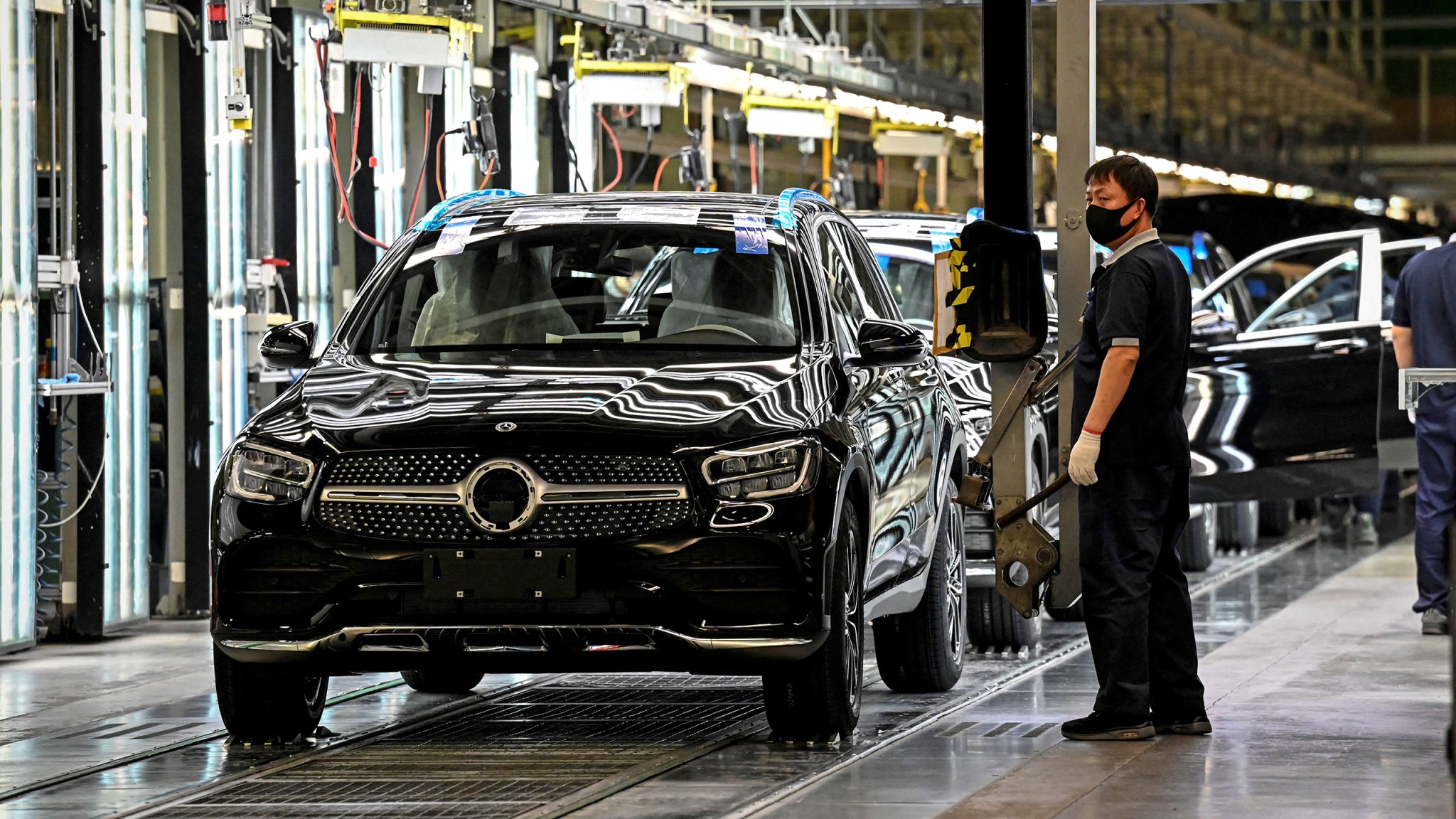
A Senate panel has advanced legislation that would effectively ban Chinese-owned automakers from selling vehicles in the U.S. market. The bill puts Mercedes-Benz in the regulatory crosshairs because Geely Holding, a Chinese automotive conglomerate, owns a significant stake in the German luxury brand.
Under the proposed rules, Mercedes would have until 2030 to reduce Chinese ownership below the threshold that triggers the ban or request federal waivers to continue U.S. sales. The timeline gives the Stuttgart-based company roughly six years to restructure ownership or risk losing access to one of the world's largest automotive markets.
The measure reflects growing congressional anxiety over Chinese capital in American vehicle production and supply chains. Lawmakers worry about data security, intellectual property protection, and strategic vulnerability tied to foreign ownership of major auto brands operating stateside.
Mercedes is far from the only automaker affected. Volvo, owned by Geely's parent company Zhejiang Geely Holding, faces identical pressures. However, Mercedes carries higher stakes due to its global prestige and substantial U.S. market presence. The brand sold roughly 380,000 vehicles in America last year, generating billions in revenue for its parent company Daimler.
The legislation taps into broader protectionist sentiment around EVs and battery technology. Chinese EV makers like BYD have made aggressive moves into global markets, spurring U.S. and European regulators to erect tariffs and ownership restrictions. This bill extends that defensive posture to all vehicles, not just electrified ones.
Geely has quietly built influence in the global auto industry over the past decade. Beyond Mercedes and Volvo, the Chinese firm owns Polestar, a Swedish EV brand, and maintains stakes in other manufacturers. A ban forcing divestiture would reshape ownership structures across multiple premium and mainstream brands.
Mercedes