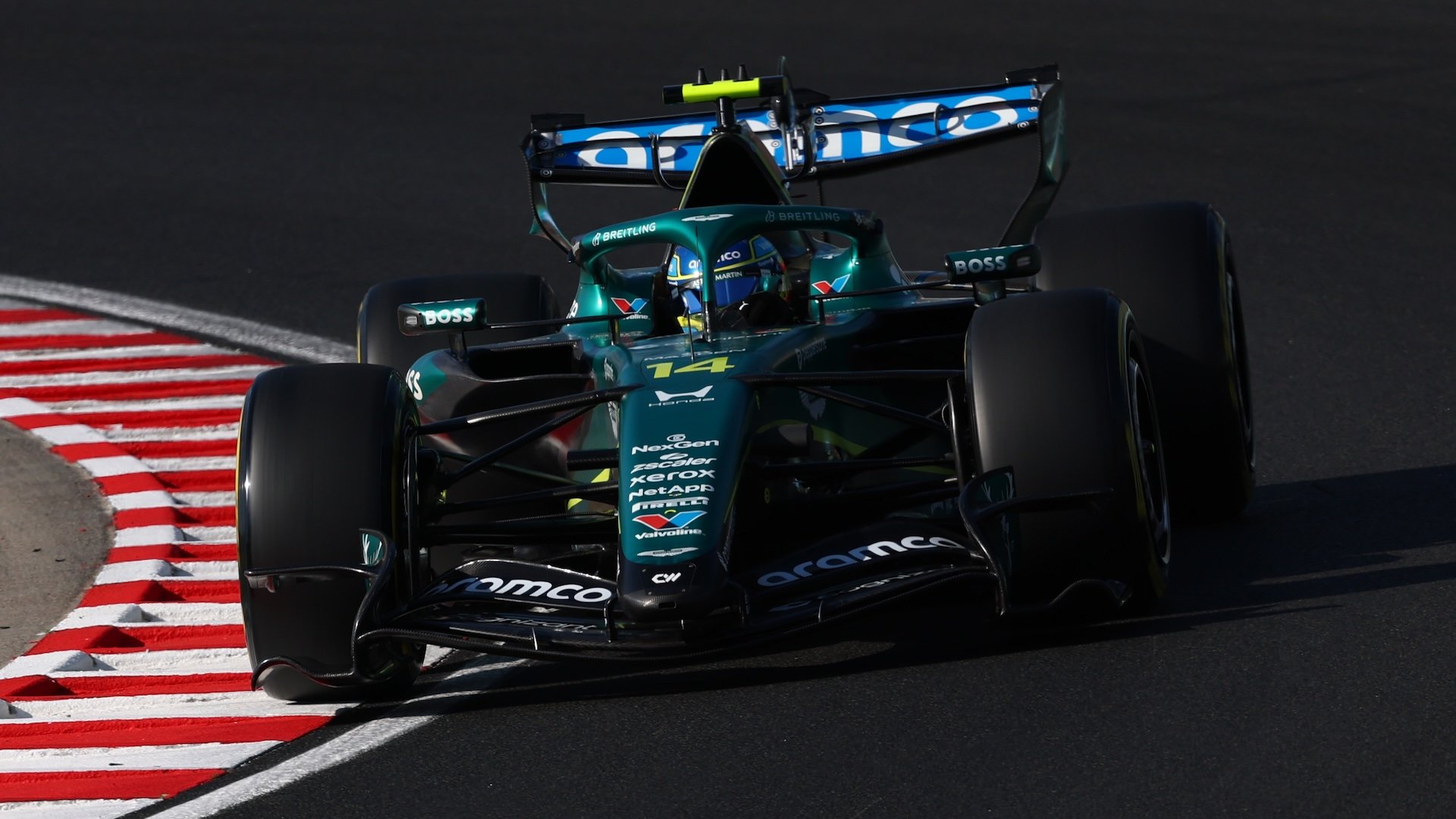
Aston Martin arrives at the Hungarian Grand Prix this weekend with a 16-part aerodynamic upgrade package for the AMR26. The modifications target downforce and efficiency, representing a meaningful step forward for the team's 2024 campaign. Simulations and wind tunnel data show promise, but real-world track performance remains to be proven.
The timing of the upgrade places it directly into competition weekend, a common strategy when teams believe they've isolated performance gains without major reliability risk. Aston Martin has struggled for consistency this season, and Hungary's technical layout rewards cars with balanced downforce. The upgrade addresses multiple aerodynamic zones rather than focusing on a single area, suggesting the team identified several efficiency losses across the package.
Lance Stroll's AMR26 suffered suspension failure during Friday practice, forcing an early return to the garage. The mechanical issue proved unrelated to the new aero components but highlighted ongoing reliability concerns that have plagued the team. Getting both cars through practice, qualifying, and the race distance remains a primary objective before any performance gains can materialize into points.
Aston Martin competes in the midfield against Alpine, Haas, and Williams for position in the constructors' championship. Every upgrade carries weight in this battle. The Hungarian circuit demands precision through its tight corners and elevation changes. A car that generates more downforce without excessive drag plays directly to these demands.
The 16-part nature of the upgrade indicates systematic development rather than a desperate gamble. Engineering teams typically distribute changes across front wing geometry, barge boards, and floor sections to optimize overall balance. Success here could establish momentum heading into the summer break and the second half of the season.
Aston Martin's upgrade strategy reflects the current F1 development war, where teams deploy improvements throughout the season rather than waiting for major overhauls. The question becomes whether this package closes gaps against faster teams or simply shores