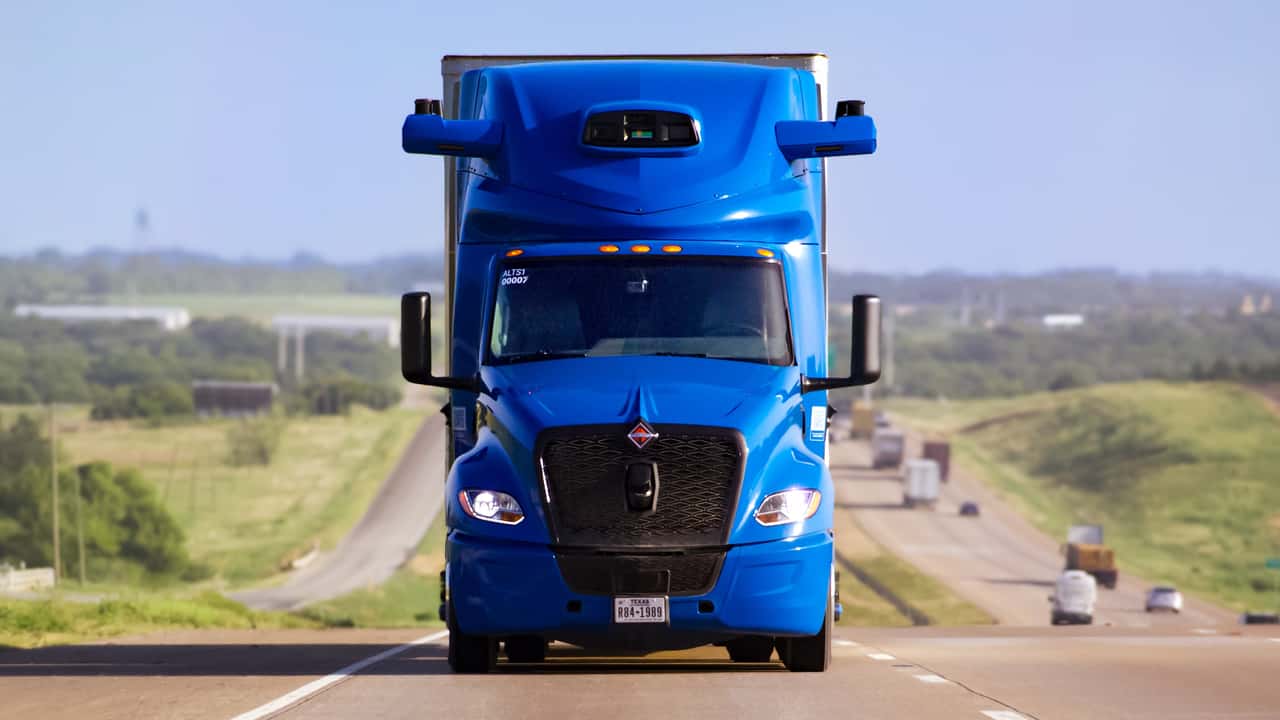
Aurora has unveiled hardware designed specifically for autonomous heavy trucks that the company claims will operate for one million miles without replacement. The Aurora Driver 2 suite cuts hardware costs in half compared to earlier iterations, a critical metric for commercial trucking operators who measure economics down to the penny per mile.
The startup's approach reflects a fundamental shift in autonomous trucking development. Rather than adapting sensor and compute systems designed for passenger vehicles, Aurora engineered components from the ground up for the demands of long-haul Class 8 trucks. These vehicles rack up 100,000 to 150,000 miles annually, so durability and cost per mile directly impact profitability.
Reducing hardware costs by 50 percent addresses one of autonomous trucking's biggest obstacles to commercial viability. Current systems are expensive to install and maintain, making self-driving trucks economically viable only on high-utilization routes. Cheaper hardware removes a major barrier to fleet adoption and allows operators to justify deployment across more regional lanes.
Aurora's focus on one-million-mile longevity also signals confidence in system reliability. Traditional truck components routinely exceed two million miles, so matching that durability standard matters for customer acceptance. Hardware failures that sideline a truck create cascading costs through lost revenue and repair downtime.
The company faces stiff competition from Waymo, which operates its own autonomous trucking division, and traditional truck makers like Volvo and Daimler exploring self-driving capabilities. Tesla also aims to deploy autonomous features in its Semi, though its timeline remains uncertain.
Aurora's hardware optimization gives it an operational advantage over competitors still relying on adapted passenger-vehicle technology. For trucking fleets, the math is straightforward. Lower upfront hardware costs combined with longer service life mean faster payback periods and stronger unit economics.
The Aurora Driver 2 represents the company's push toward commercialization on real freight routes