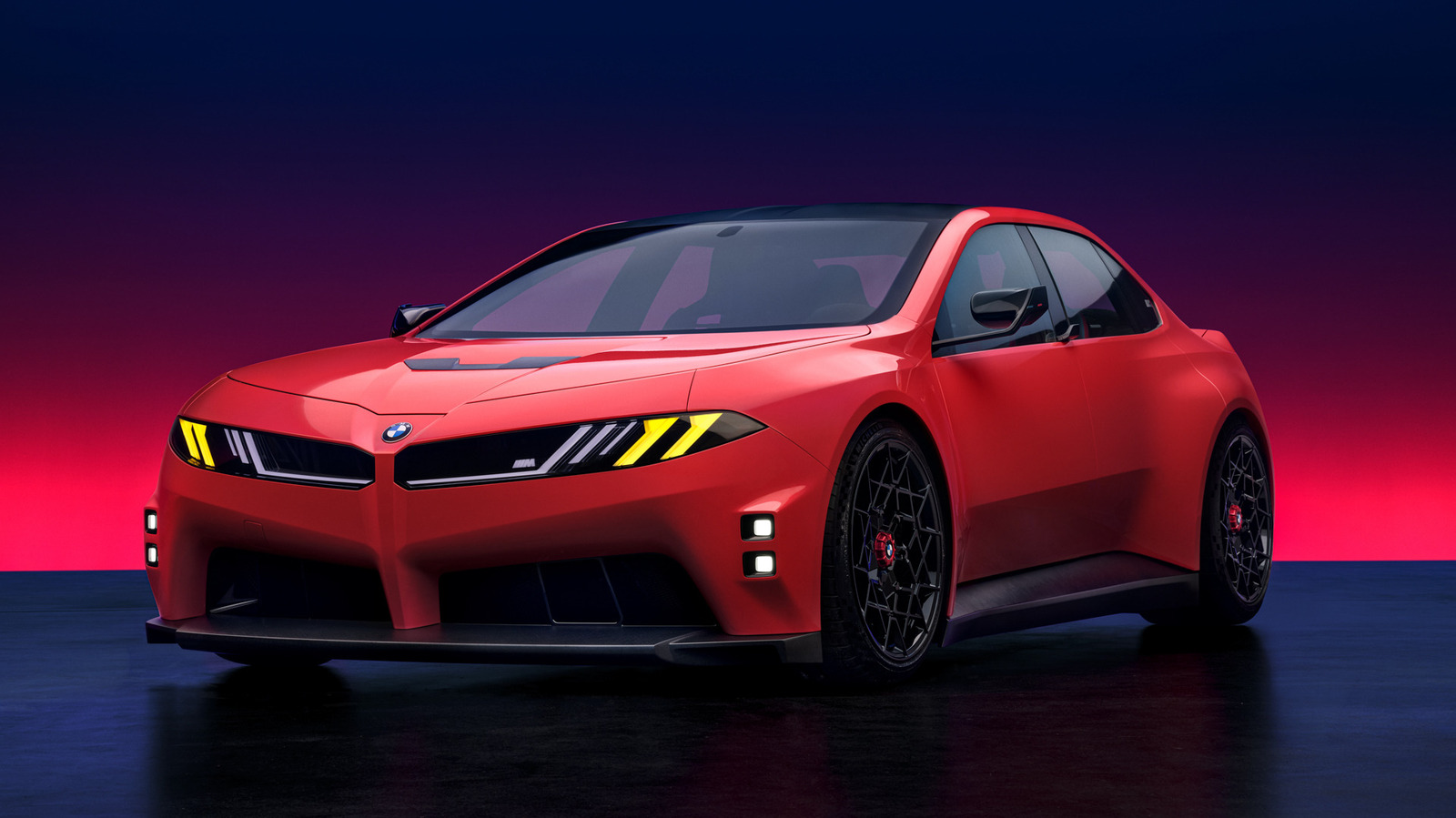
BMW is betting electric performance can win over traditional enthusiasts. The automaker believes its forthcoming electric M3 will deliver enough dynamic appeal to convert drivers who've remained attached to the combustion-engine M3's visceral character.
The claim targets a stubborn segment. M3 purists value engine noise, the mechanical feedback of a traditional transmission, and the raw aggression of high-revving inline-sixes. BMW has built brand loyalty on exactly these attributes for decades. An electric M3 represents a fundamental departure.
Performance numbers alone won't close this gap. Yes, electric motors deliver instant torque and superior acceleration compared to gas engines. The M3 G80 Competition already struggled against quick EVs in straight-line tests. But purists care about more than 0-60 times. They want the auditory drama of a screaming engine and the tactile response of engine braking and gear changes.
BMW's challenge mirrors what Tesla faced with Porsche enthusiasts and what Chevrolet encounters defending the Corvette's future against electrification. Manufacturers must convince buyers that electric powertrains offer a different but equally rewarding experience, not a diminished one.
The electric M3 could lean into advantages gas engines can't match. Precise torque vectoring through individual motor control. Predictable weight distribution with floor-mounted batteries. Adjustable regenerative braking character. These technologies enable handling dynamics impossible in conventional cars.
But BMW knows the emotional argument remains unresolved. No software update replaces the mechanical symphony of 503 horsepower flowing through individual cylinders. That's not performance data. That's automotive theater.
If BMW succeeds, it proves the industry's pivot to electrification doesn't require sacrificing driving engagement at the performance end of the market. If it fails, the company learns that some customers will abandon the M brand