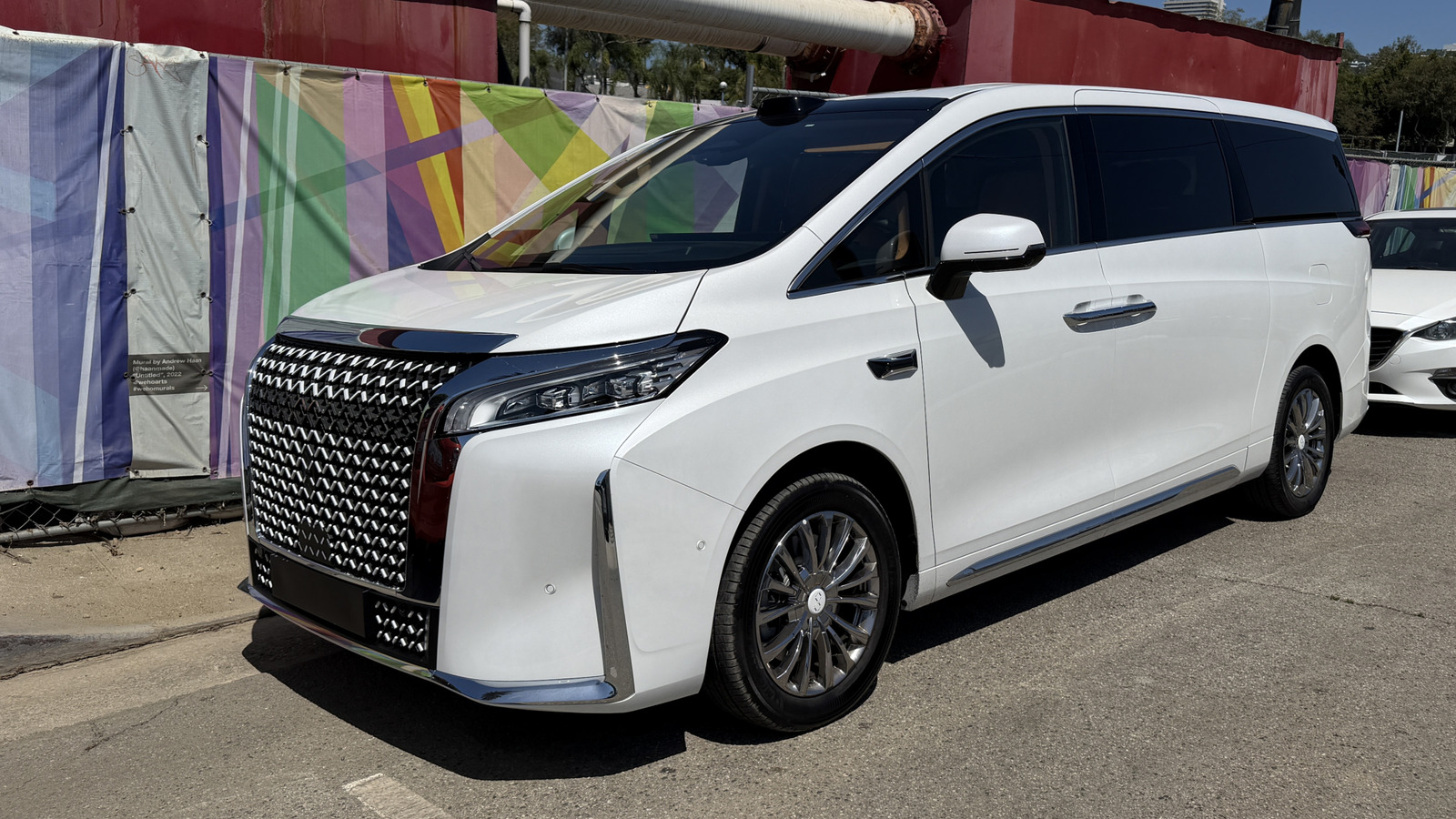
Faraday Future continues its improbable survival through another development cycle, now testing the FX Super One electric vehicle on public roads. The company, which has lurched between bankruptcy threats, leadership upheaval, and manufacturing delays since its 2014 founding, remains active despite mounting skepticism from the automotive press and industry observers.
The FX Super One represents Faraday's latest attempt at relevance in the crowded EV market. The vehicle draws heavily from Chinese platform origins, a reality that underscores the company's fundamental challenges. After years of unfulfilled promises about a revolutionary U.S. manufacturing facility and proprietary technology, Faraday now relies on existing platforms and components sourced internationally. This dependency reflects the company's inability to deliver on its original vision of American-made, domestically engineered electric vehicles.
Testing activity alone does not indicate imminent production success. Faraday has paraded prototype vehicles and concept vehicles for years without translating them into meaningful sales volume. The company's Nevada plant remains largely non-functional, a monument to failed ambitions that once promised thousands of jobs. Faraday's leadership has cycled through multiple CEOs and restructuring efforts, each accompanied by claims of renewed focus and commitment to reaching customers.
The EV market has transformed dramatically since Faraday's inception. Tesla dominates, while established manufacturers like GM, Ford, and BMW now offer compelling electric options backed by manufacturing expertise and dealer networks. Startups that launched after Faraday, including Lucid and Rivian, have actually reached customers despite their own production struggles. Faraday lacks the capital reserves, manufacturing infrastructure, or brand cachet these competitors possess.
That Faraday continues testing and making public statements about product development suggests investor funding flows somewhere. Whether those investors genuinely believe in eventual profitability or simply refuse to acknowledge sunk costs