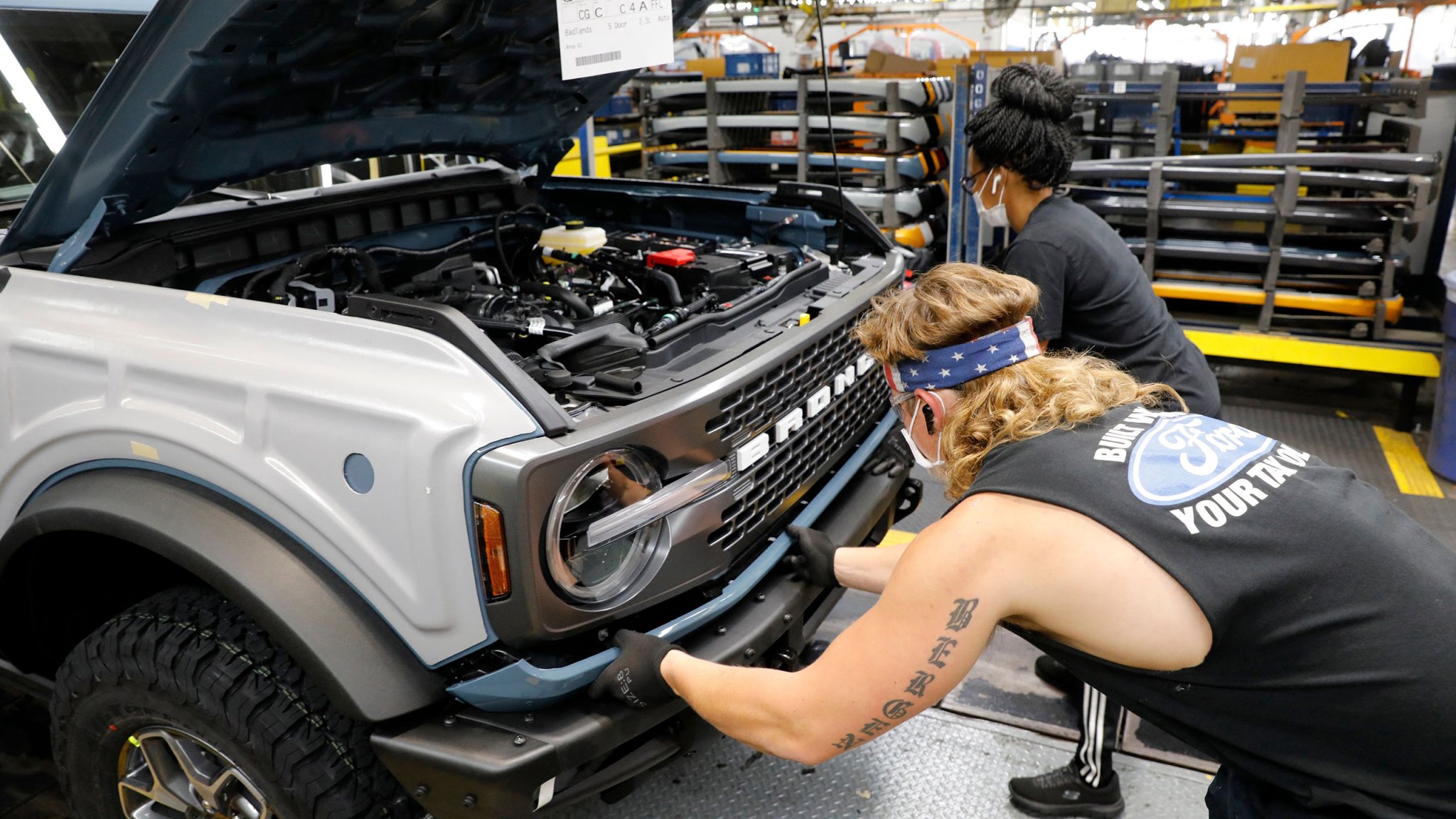
Ford is recalling over 500,000 Broncos due to an engine fire risk, a substantial safety issue affecting one of the automaker's most popular SUV models since its 2021 relaunch. The recall underscores durability concerns with Ford's newer Bronco lineup, which competes directly against Jeep Wrangler and Chevrolet Blazer in the affordable off-road segment.
The scope of this recall is noteworthy. Over half a million units represent a significant portion of Bronco production across multiple model years. Engine fire risks typically trigger immediate attention from regulators and consumers alike, as they create liability exposure and damage brand trust. Ford has not yet disclosed the specific cause, but such recalls often stem from fuel system leaks, electrical faults, or engine block defects.
Separately, Honda announced a production pause for its manual transmission sport sedans, likely affecting the Civic Si and Accord manual variants. This move reflects declining demand for driver-focused, affordable performance cars in the American market. Manual transmissions have become niche products as consumers gravitate toward crossovers and automatic transmission vehicles. Honda's decision signals the segment's diminishing viability.
Additionally, Jeep is recalling a smaller batch of vehicles for thin wheels that may not meet safety standards. While less dramatic than Ford's engine fire issue, wheel thickness problems can compromise structural integrity and increase blowout risk, particularly during highway driving or off-road use where Jeep customers operate their vehicles.
These recalls and production shifts reflect the automotive industry's current pressures. Manufacturers face heightened quality scrutiny as supply chain disruptions ease, increased warranty costs from rushed production during the semiconductor shortage, and shifting consumer preferences toward electrification and larger vehicles. Ford's Bronco recall is especially consequential given the model's central role in Ford's SUV strategy and its strong sales