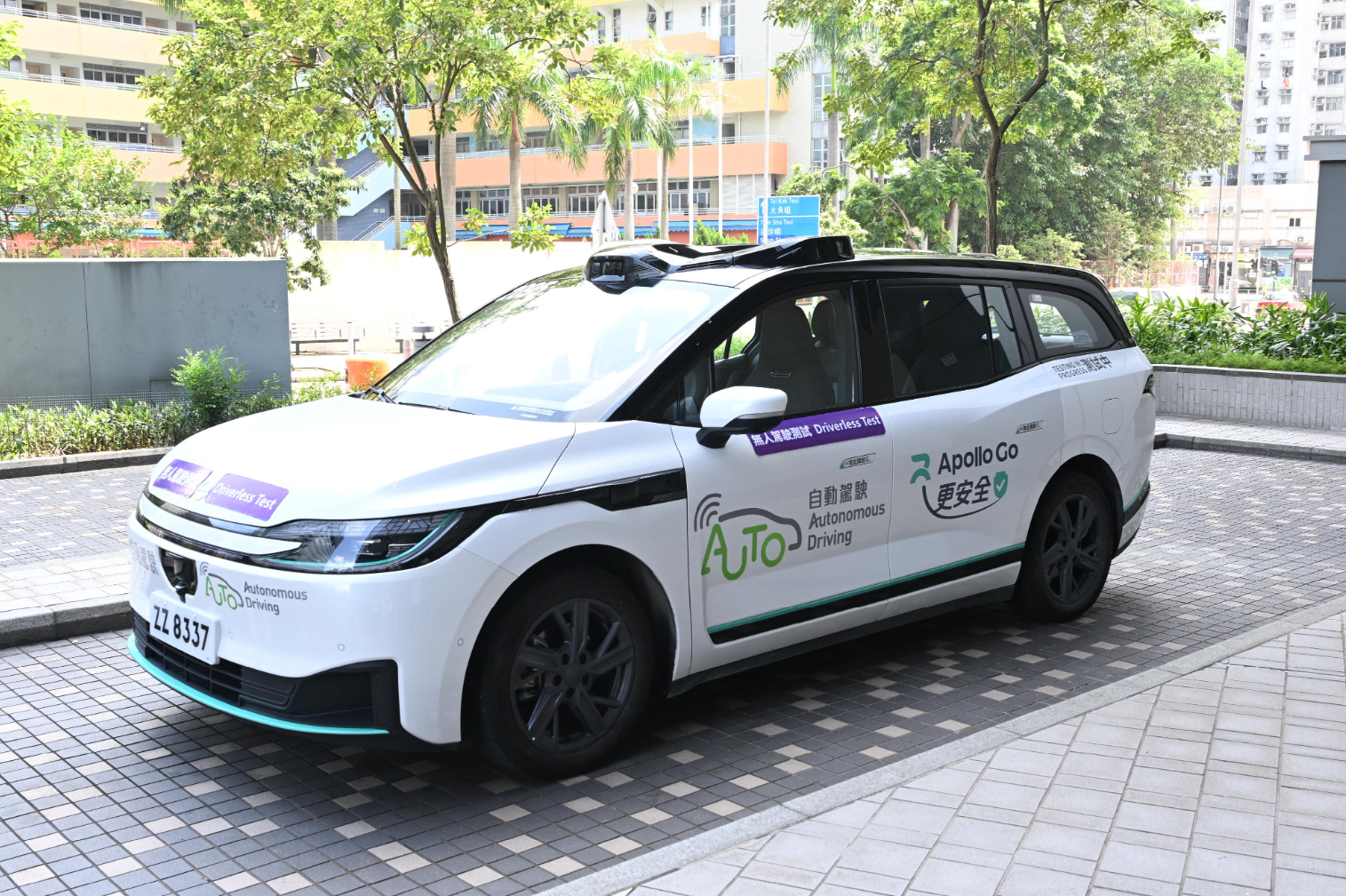
Hong Kong has approved its first fully driverless autonomous vehicle trial on Airport Island, removing the requirement for in-vehicle safety operators. The approval represents a significant step forward for AV deployment in the city, as previous trials required backup drivers to monitor and take control if needed.
The Airport Island location provides a controlled environment ideal for testing true autonomous operations. The area features defined routes, predictable traffic patterns, and lower speeds compared to open urban roads. This setup allows operators to validate driverless technology in real-world conditions without the safety net of a human backup.
The trial marks Hong Kong's progression in autonomous vehicle policy. Regulators moved from requiring in-vehicle operators to permitting fully autonomous runs, suggesting confidence in the technology's readiness. Other Asian cities including Singapore and China have pursued similar trials, creating competitive pressure on Hong Kong to establish itself as an AV-friendly jurisdiction.
Airport operations benefit directly from autonomous vehicles. Shuttle services, cargo transport, and ground logistics operations could reduce labor costs and improve consistency. The controlled nature of airport environments makes them ideal testing grounds before broader city deployment.
The trial's success could accelerate regulatory changes for Hong Kong's broader roads. If driverless operations prove reliable on Airport Island, the city may expand autonomous zones to other controlled areas like industrial parks or delivery corridors before tackling congested urban streets.
Hong Kong competes with Singapore and Shenzhen for regional tech leadership. Each jurisdiction uses autonomous trials to attract talent and investment. A successful driverless program positions Hong Kong as serious about future mobility infrastructure.
The approval also reflects manufacturer confidence. Companies willing to deploy vehicles without backup operators believe their technology meets safety standards. This trial will generate real-world performance data critical for refining algorithms and sensor systems.