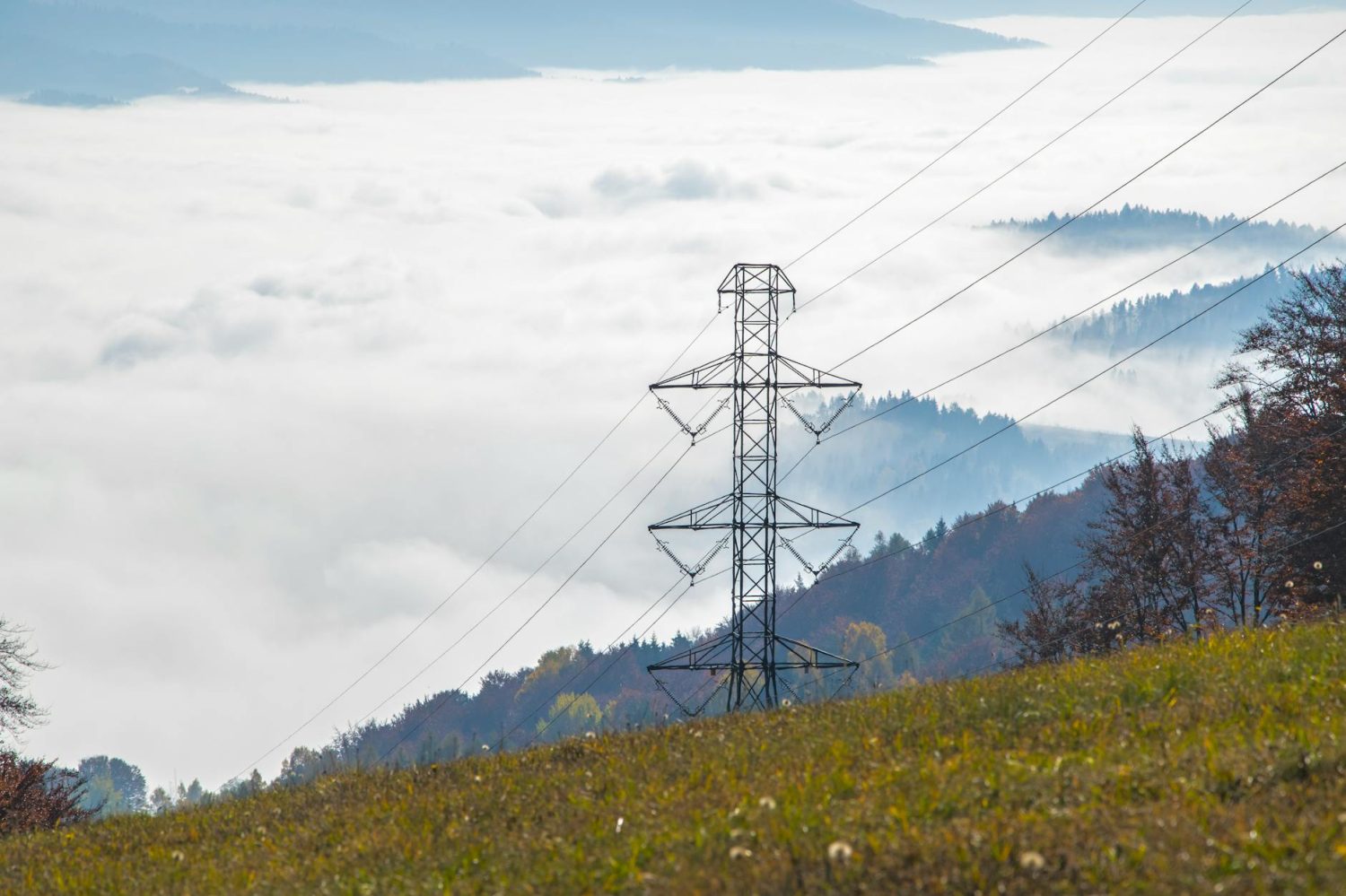
The International Energy Agency reports a pivotal shift in global power generation. Renewable energy sources are poised to surpass coal as the world's largest electricity source in 2024, marking a watershed moment in the energy transition.
This milestone reflects accelerating renewable deployment across solar and wind installations worldwide. Global electricity demand itself is climbing again after periods of slower growth, driven by industrial expansion, electrification of transport, and rising air conditioning needs in warming regions.
Coal has dominated global electricity for decades, but its reign ends as costs for solar and wind installations plummet while battery storage improves. Countries from Australia to Vietnam are retiring coal plants ahead of schedule. Even nations historically dependent on coal, including India and parts of Europe, now deploy renewables faster than ever.
The trend carries direct implications for automakers. Cleaner grids mean electric vehicles operate with progressively lower emissions, strengthening the case for EV adoption over internal combustion engines. Manufacturers pushing battery-electric fleets, from Tesla to traditional OEMs ramping production, benefit from this grid shift. Charging infrastructure becomes genuinely cleaner as utilities swap coal for renewables.
However, the transition creates pinch points. Demand for lithium, cobalt, and other EV battery minerals intensifies as production scales. Grid stability becomes critical as variable renewables replace coal's consistent baseload power. Energy storage technology advances remain essential.
For consumers, cleaner grids mean lower EV operating costs and better environmental justification for electrification. For automakers, the renewable surge validates long-term bets on battery electric platforms. The IEA forecast signals that coal's exit from power generation accelerates, reshaping the entire automotive energy ecosystem over this decade.