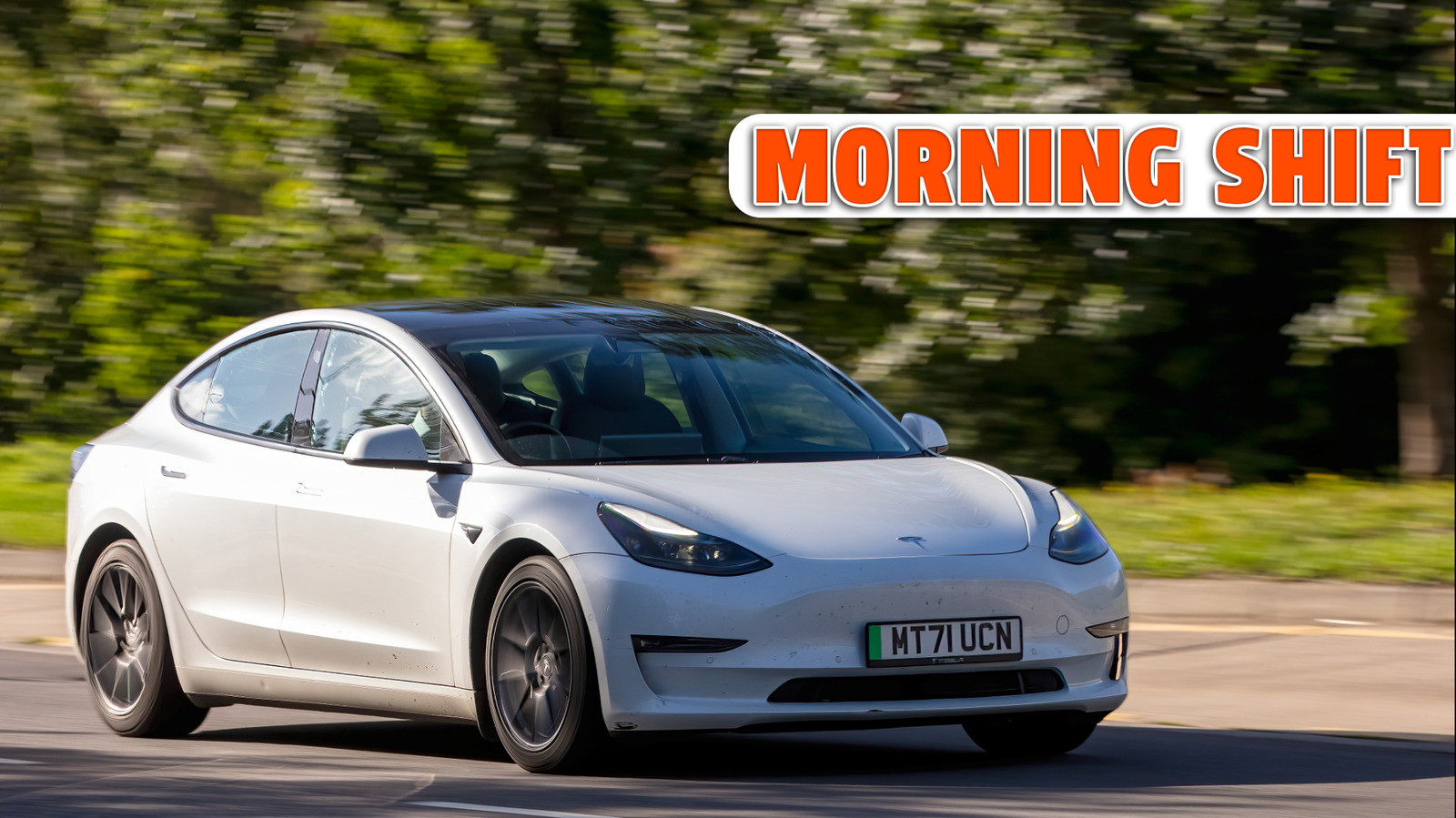
The National Highway Traffic Safety Administration declined to open a formal investigation into Tesla door latch failures despite receiving multiple consumer complaints. The agency determined that available data did not meet the threshold for a defects investigation, closing the door on what could have been a significant safety probe into the reliability of Tesla's door mechanisms across its vehicle lineup.
Tesla owners reported door latches failing to engage properly, creating potential safety hazards during vehicle operation. Some complaints described doors opening unexpectedly while driving or failing to open when needed. The complaints spanned multiple Tesla models, suggesting a potential systemic issue rather than isolated incidents.
NHTSA's decision reflects the agency's cautious approach to opening formal investigations. The safety regulator requires substantial evidence of a defect pattern affecting large vehicle populations before initiating the costlier formal process. Without sufficient data demonstrating widespread failure rates or safety consequences, NHTSA opted against the investigation route, leaving the matter to potential future complaints or warranty data.
The decision comes as Tesla navigates multiple production and quality challenges. Other automakers have faced similar door latch scrutiny in recent years, with recalls issued by Ford, Volkswagen, and others addressing mechanical failures in door systems. Door latches remain a fundamental safety component, directly impacting occupant security during crashes and emergency situations.
This outcome reflects the broader tension between vehicle owners seeking accountability and regulators operating under data-driven standards. Tesla owners experiencing door latch problems can still pursue individual warranty claims or group actions, but the lack of NHTSA oversight means no broad recall requirement looms unless the agency reverses course based on future evidence.
Separately, Volkswagen revealed its 2026 financial outlook, Ford issued another recall affecting certain vehicles, and the Port of Long Beach explored nuclear power integration. These industry developments highlight ongoing challenges across the automotive sector regarding safety compliance, financial stability, and operational efficiency.