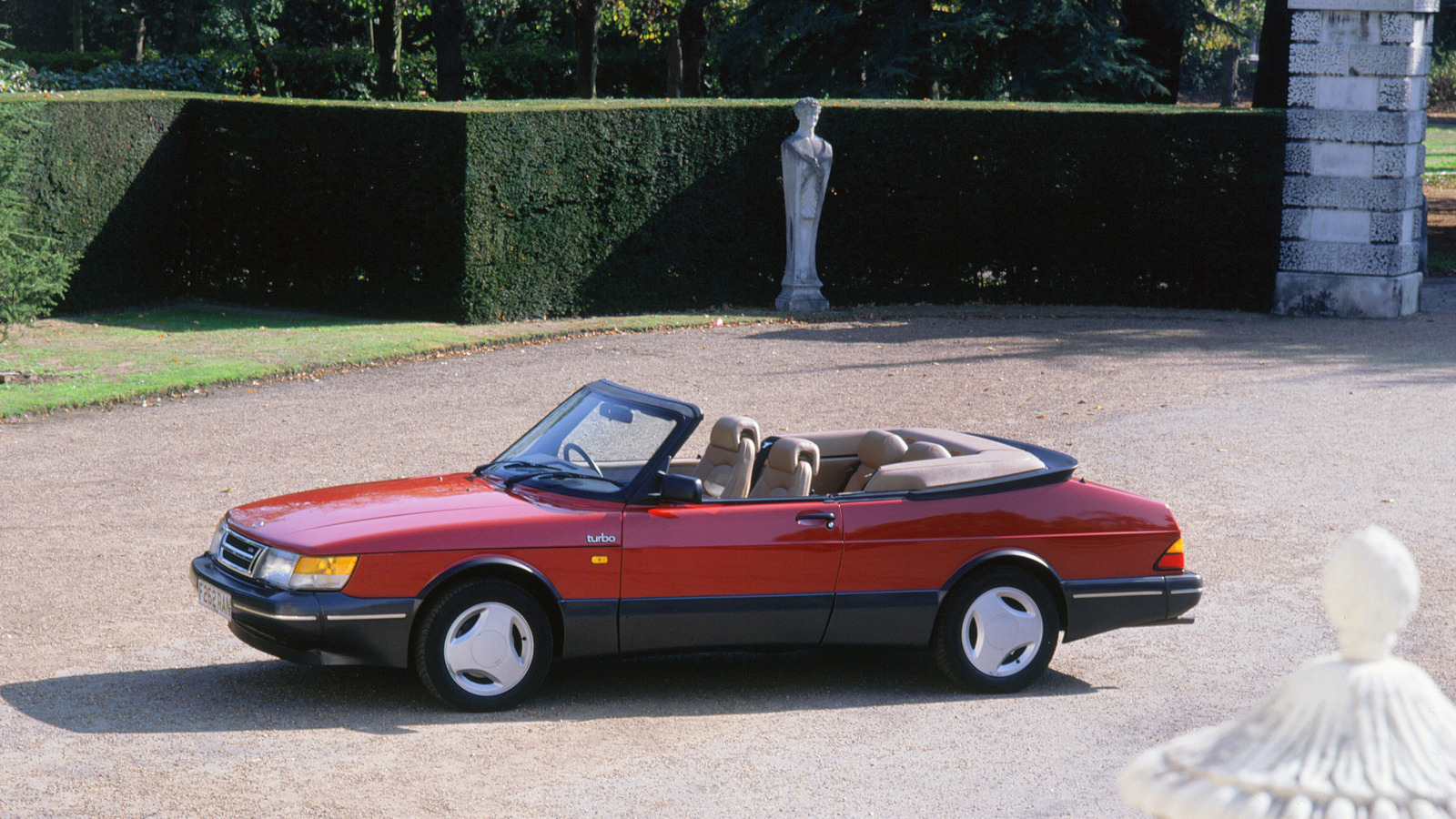
Enthusiasts crave the return of defunct automakers and brands that have vanished from showrooms. Jalopnik's readership identified specific marques they want resurrected, reflecting a persistent nostalgia in the automotive community for vehicles no longer in production.
The desire to bring back dead brands speaks to a gap in today's market. Collectors and enthusiasts point to discontinued models that filled niches modern manufacturers have abandoned or failed to adequately replace. Brands like Pontiac, Mercury, and Plymouth once occupied distinctive positions in the American market, each with loyal followings that persist decades after their demise. Other international marques like Datsun and Lancia command similar affection from global car fans.
This nostalgia reveals real market frustration. Today's lineup concentrates on crossovers, SUVs, and electric vehicles, leaving fewer options for drivers seeking affordable sports cars, affordable convertibles, or affordable compact sedans. The enthusiast community vocal about brand revivals often points out that manufacturers focus too heavily on high-margin vehicles and sacrifice variety.
Some automakers have recognized this appetite. Volkswagen brought back the Beetle multiple times. Ford revived the Bronco and Ranger. Nissan resurrected the Z nameplate. These moves suggest that heritage and brand recognition hold genuine market value, particularly among aging enthusiasts with disposable income and younger buyers attracted to retro styling.
The fantasy of brand resurrections also reflects broader skepticism about current automotive strategy. Electric vehicle mandates, consolidation among major manufacturers, and supply chain constraints have narrowed product diversity. Enthusiasts see defunct brands as symbols of an era with more choice, more variety, and more personality in production vehicles.
Bringing back dead brands poses real challenges. Manufacturing costs, regulatory compliance, and competitive pressures make launching new nameplates difficult. Yet the persistent demand reveals that manufacturers leave money on