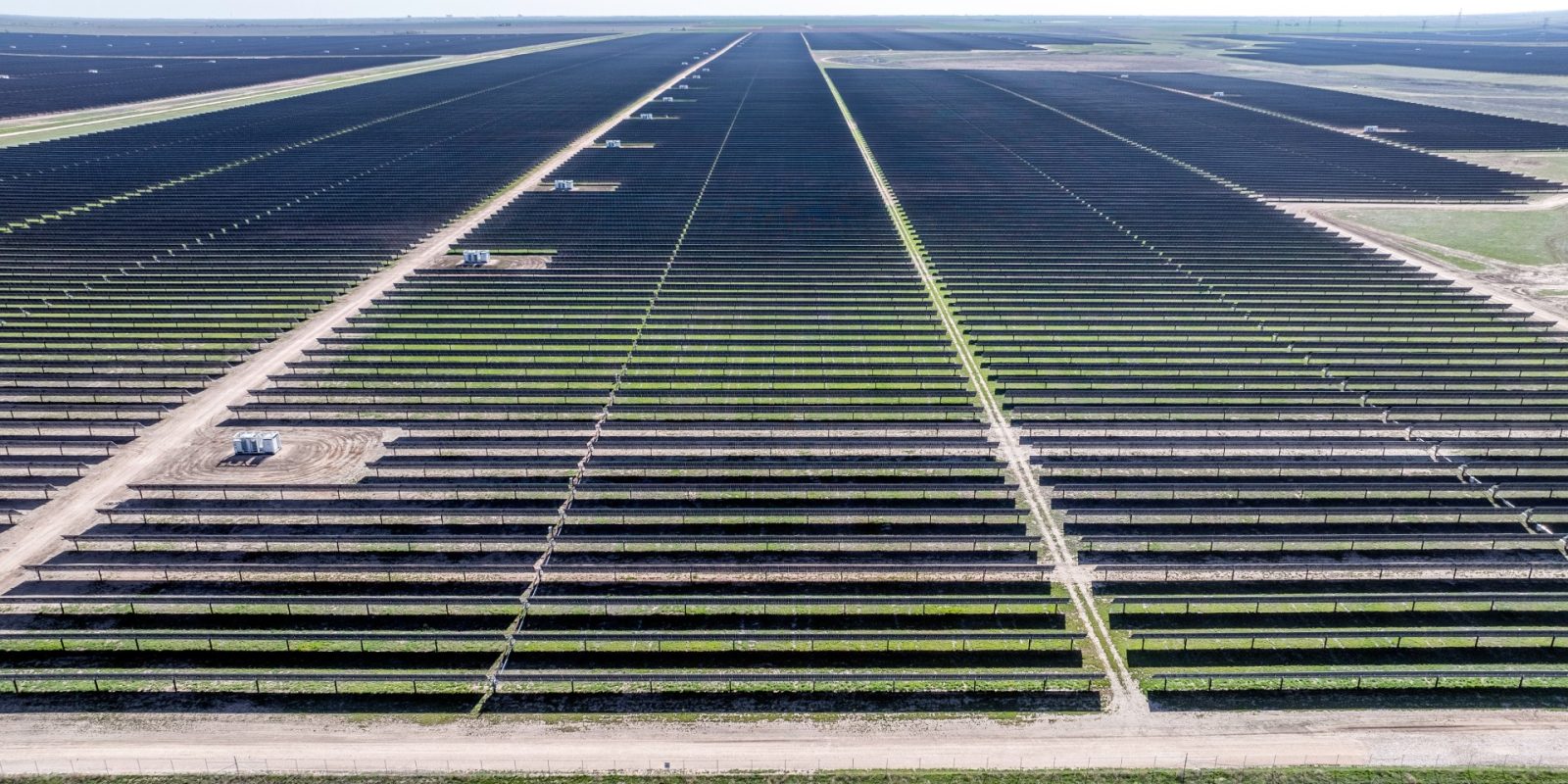
Solar power generation surpassed both coal and wind in May, marking a milestone in the U.S. energy transition. The U.S. Energy Information Administration released data showing solar's output exceeded these two traditional and renewable energy sources during the month, a shift that underscores the rapid scaling of photovoltaic capacity across the country.
This development reflects years of falling solar panel costs, federal tax incentives, and corporate commitments to renewable energy. Utilities and businesses have aggressively deployed solar installations on rooftops and in large-scale farms. The trend accelerated further after the Inflation Reduction Act provided substantial tax credits for solar projects starting in 2023.
Coal's decline has been structural. Aging plants face retirement, natural gas plants offer cheaper operating costs, and renewable energy now undercuts fossil fuels on price in many markets. Wind generation, despite capacity additions, faces geographic and transmission constraints that limit its output in some regions.
Solar's advantage involves consistency and scalability. Unlike wind, which depends on weather patterns, solar delivers predictable generation during daylight hours across most U.S. regions. Battery storage integration also strengthens solar's dispatch capabilities, though grid operators still rely on natural gas for baseload power and flexibility.
The May milestone does not mean solar has become the largest U.S. power source overall. Natural gas dominates annual generation, and coal still holds substantial capacity. However, the data signals an inflection point. Solar capacity additions continue climbing, with the Solar Energy Industries Association projecting solar will reach 5% of total U.S. electricity generation by 2026, up from roughly 4% today.
For automakers, this shift matters. Carmakers increasingly source renewable electricity for EV charging networks and manufacturing facilities. Tesla's Supercharger locations now incorporate onsite solar, while legacy automakers commit to renewable-powered plants. Grid decarbonization directly