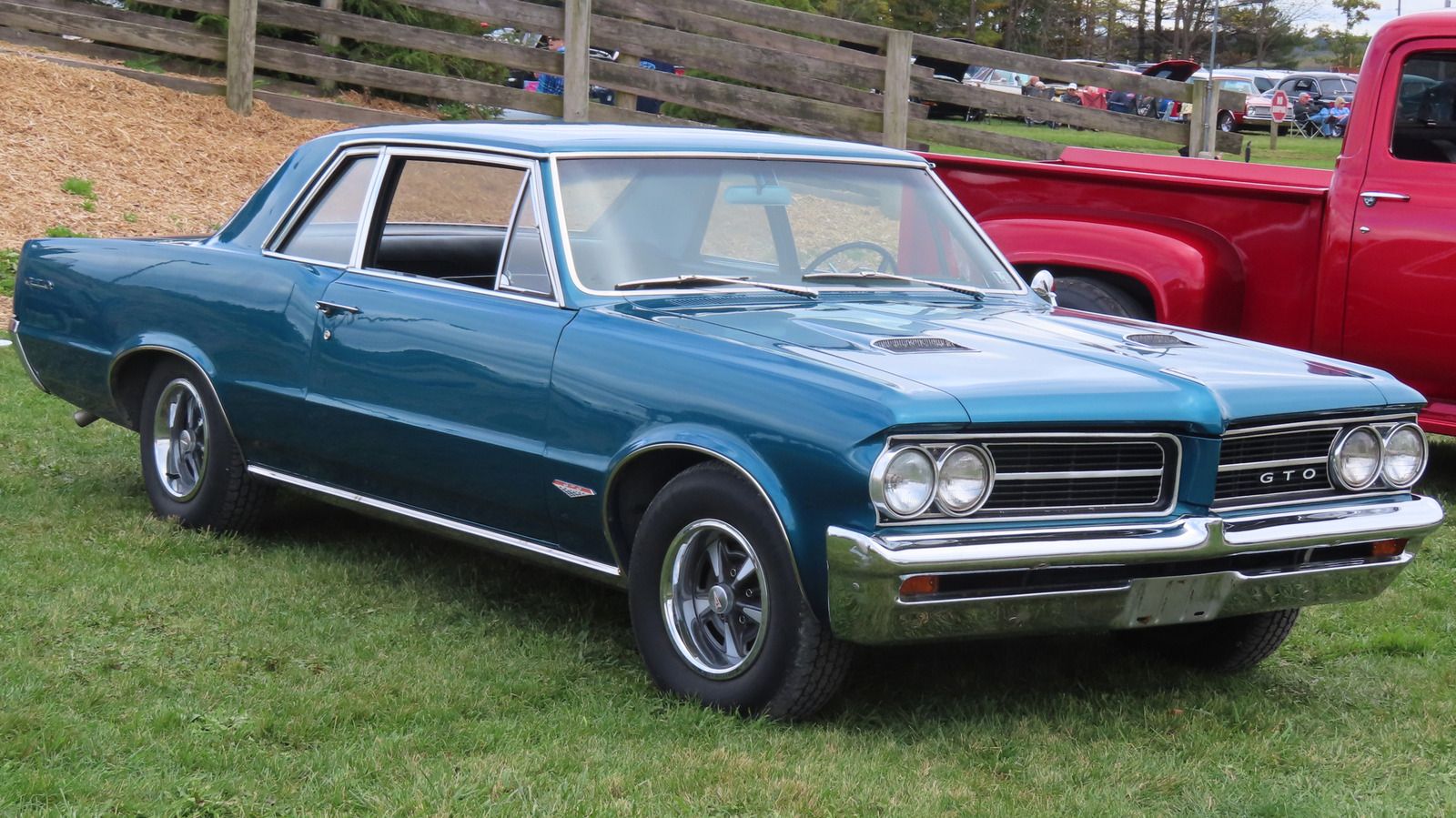
Pontiac pulled a fast one on automotive journalists in the 1960s by sending a doctored press car designed to blow away competitors on the track and impress in road tests. The practice of using "ringers" — heavily modified vehicles disguised as production models — was more common then, but Pontiac's execution became legendary in industry circles.
The manufacturer equipped its press vehicle with performance upgrades far beyond what buyers could purchase. Horsepower figures, acceleration times, and handling characteristics didn't match the stock version rolling off assembly lines. Journalists tested the car believing they were evaluating a genuine production model, then published glowing reviews based on inflated performance data. The deception worked until the truth surfaced, damaging Pontiac's credibility with the press.
This scheme reflected the cutthroat competition of the muscle car era. Pontiac faced pressure from Chevrolet's Corvette, Dodge's muscle cars, and Ford's performance lineup. Sending a ringer to journalists allowed Pontiac to generate impressive test numbers and favorable coverage without engineering a genuinely faster production car. It was cheaper than actually developing better hardware.
The practice highlighted how much trust journalists placed in manufacturers during that era. Verification and independent testing standards were looser. A magazine could publish performance figures directly from a press release or data sheet without physical validation. Pontiac exploited this dynamic until automotive media caught on to the scheme.
The ringer scandal became a cautionary tale in automotive journalism. It contributed to modern standards requiring independent verification of performance claims and disclosure when testing pre-production or modified vehicles. Today's automotive press maintains arm's-length skepticism toward manufacturer claims and conducts back-to-back testing against competitors.
Pontiac's 1960s ringer stunt remains a textbook example of how manufacturers will cut corners when facing market pressure. The episode eventually faded into automotive