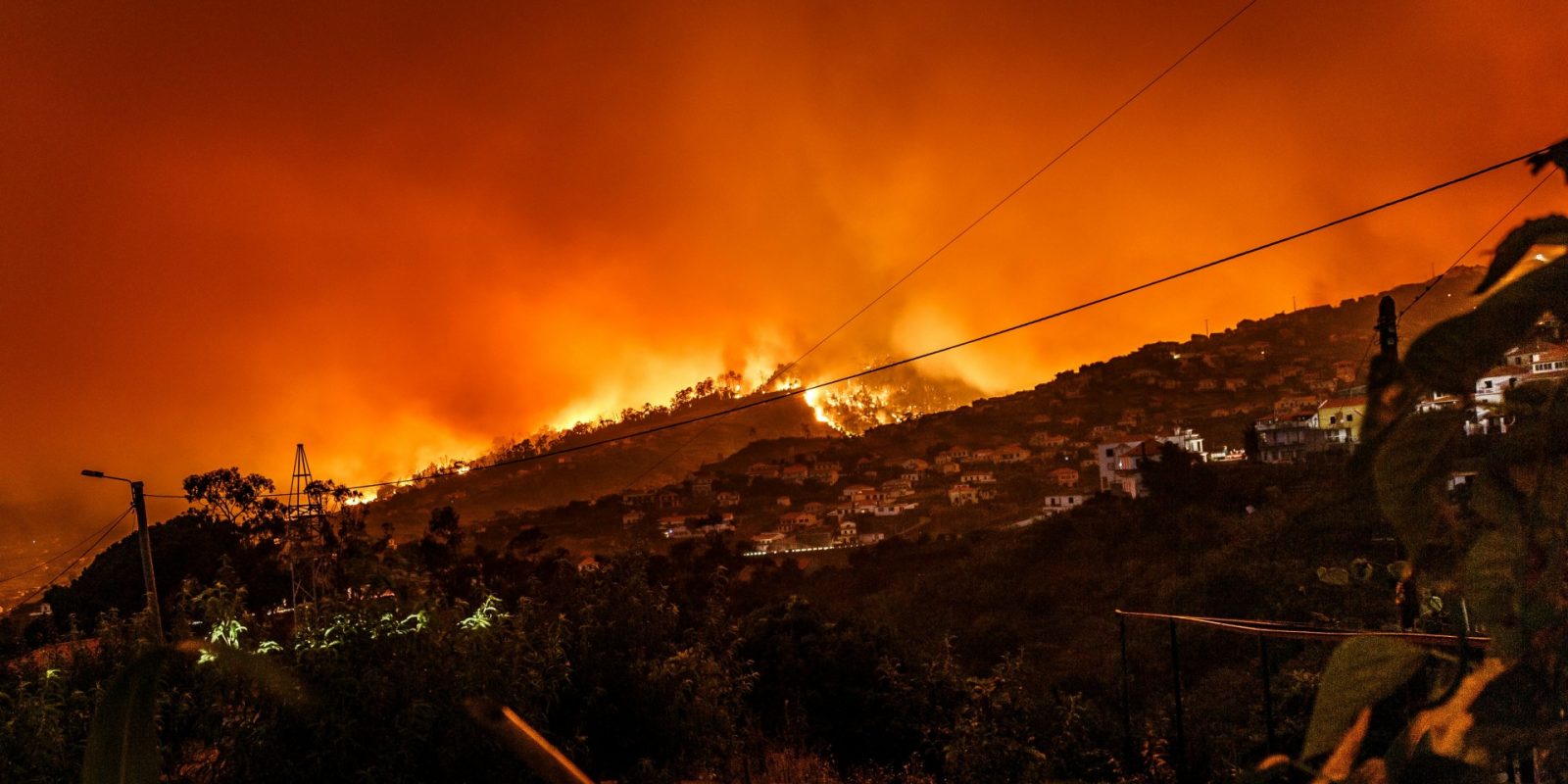
Donald Trump's proposal to tariff Canada over wildfire smoke reaching the United States presents an accidental path forward for climate policy, despite the concept's fundamental absurdity.
Trump's threat stems from Canadian wildfires generating air quality problems across the northern U.S. border. The tariff threat targets Canada for environmental damage inflicted on American territory. While the reasoning ignores Canada's limited control over natural fire events and misapplies trade mechanisms, the underlying principle mirrors carbon border adjustment mechanisms (CBAMs) that economists and climate advocates have long proposed.
The EU already implements a Carbon Border Adjustment Mechanism to penalize imports from countries with weaker emissions standards. Similar proposals have gained traction in climate policy circles as legitimate tools for equalizing environmental costs across trading partners. A smoke-based tariff, however crude, establishes the precedent that environmental externalities justify trade restrictions.
The mechanics matter less than what happens next. If the U.S. government accepts that cross-border environmental harm warrants tariffs, it opens the door for more sophisticated climate-based trade policy. Tariffs tied to measurable emissions, methane leakage, or deforestation become harder to dismiss as overreach once smoke tariffs exist.
Canada likely bears little responsibility for wildfire intensity, which relates to climate change, drought conditions, and forest management practices. Applying tariffs to the victim of climate patterns illustrates the policy's crudeness. Yet that same crudeness could force conversations about environmental accountability in trade.
The automotive sector watches closely. Foreign manufacturers already face pressure on emissions standards. Tariffs tied to environmental performance could reshape supply chains and vehicle compliance globally. Suppliers in high-emissions countries would face higher entry costs into U.S. markets.
This isn't endorsement of Trump's approach. The idea conflates natural disasters with policy failures and punishes an ally over events largely beyond its control