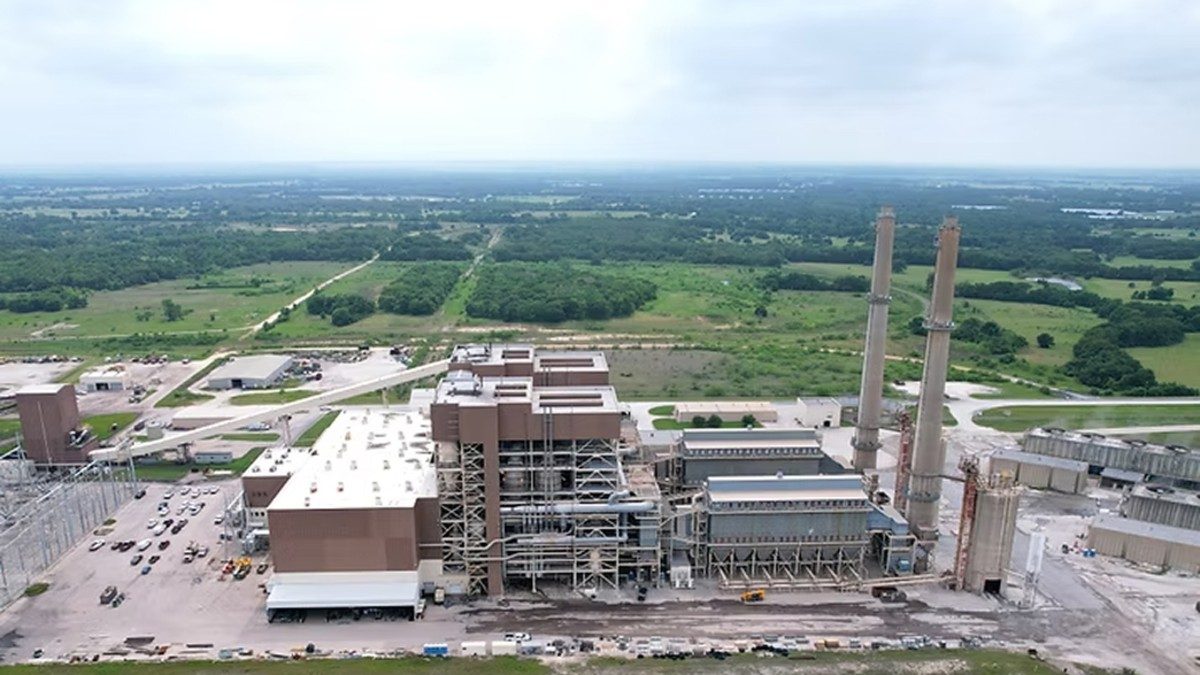
A 1.2-gigawatt solar farm is under construction at the Twin Oaks Power Station site in Texas, marking one of North America's largest coal-site solar projects. The twist: the coal plant itself remains operational and shows no signs of retirement.
This hybrid approach reflects a pragmatic reality in Texas energy markets. The state's deregulated power sector rewards both renewable and dispatchable generation. Coal plants provide baseload power and grid stability during peak demand periods, while solar farms capture midday generation at near-zero marginal cost. Developers can stack revenue streams from both sources without forcing immediate coal retirement.
The Twin Oaks project benefits from existing infrastructure. The coal facility already connects to transmission lines, has developed land, and maintains grid interconnection agreements. Building solar on the same site cuts permitting timelines and reduces interconnection costs compared to greenfield development. Developers avoid the years-long process of securing new grid access and environmental approvals.
This coexistence also reflects workforce and economic realities in Texas coal communities. Shuttering coal plants eliminates jobs and tax revenue in rural areas dependent on those facilities. Pairing solar development with operating coal plants creates construction jobs and renewable energy tax credits while preserving coal employment during the transition period. It's a compromise between energy transition goals and community stability.
The 1.2-GW solar capacity will generate substantial power during daylight hours, offsetting some coal generation and improving overall plant economics. When the coal unit eventually reaches end-of-life, the solar infrastructure remains productive for decades. Texas operators essentially build the renewable foundation before closing coal.
This pattern is spreading across coal-dependent regions. Companies recognize that simultaneous solar development and coal operation extend asset life while positioning facilities for long-term viability. However, it underscores how coal's retirement remains gradual in deregulated markets where operators control the timeline rather than government mand