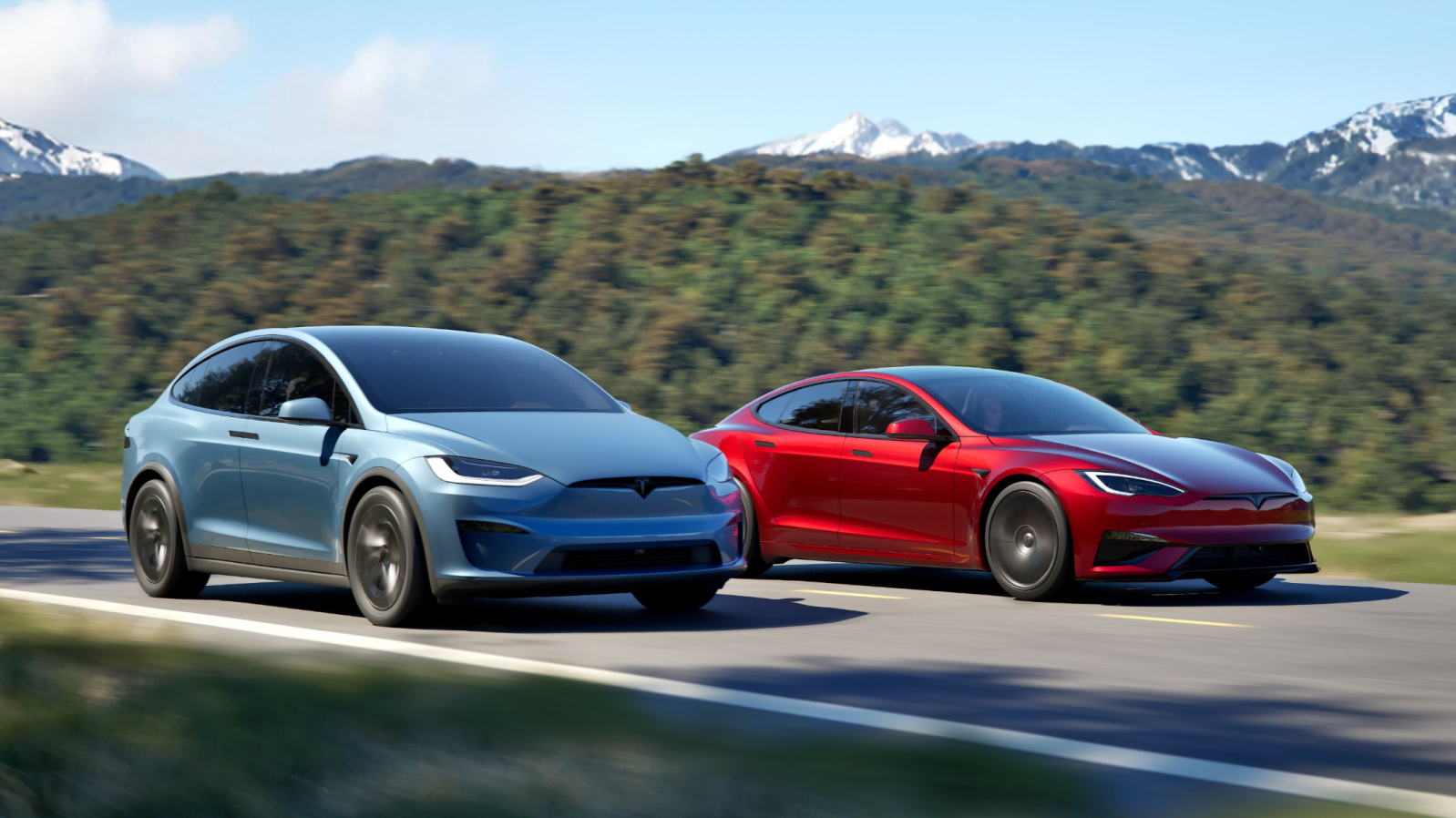
Elon Musk announced Tesla plans to open source the Model S and Model X, citing the original Roadster release as precedent. That comparison raises serious red flags.
Tesla's prior Roadster "open source" release in 2014 delivered only eight files on GitHub alongside five document packages locked behind a login wall. None carried an actual open-source license. That's not open sourcing in any meaningful sense. It's selective document sharing behind authentication barriers.
The distinction matters. True open sourcing means unrestricted public access to source code under established licenses like MIT or Apache 2.0. Engineers worldwide can freely use, modify, and redistribute. Tesla's Roadster release was a publicity stunt masquerading as openness.
For Model S and Model X, Musk's statement offers no specifics on scope, licensing, or public accessibility. Will Tesla release software source code, hardware schematics, or both? Will it use actual open-source licenses or replicate the Roadster's gated-access theater? The silence speaks volumes.
Tesla faces mounting EV competition from Lucid, BMW, and traditional automakers. A genuine open-source hardware initiative could generate goodwill and accelerate innovation. Competitors already reverse-engineer Tesla tech anyway. Voluntary transparency might reshape the company's image as closed and proprietary.
But Musk's track record suggests caution. He called Twitter purchase a "free speech" move, then implemented content moderation. He promised full self-driving capability for years without delivering. Rhetorical flourishes often precede underwhelming execution at Tesla.
The Model S and X are aging platforms facing pressure from refreshed competitors. Open sourcing them could extend their relevance by enabling aftermarket developers and independent mechanics to extend functionality. More likely, Tesla releases just enough to generate headlines while maintaining control over the critical systems that lock