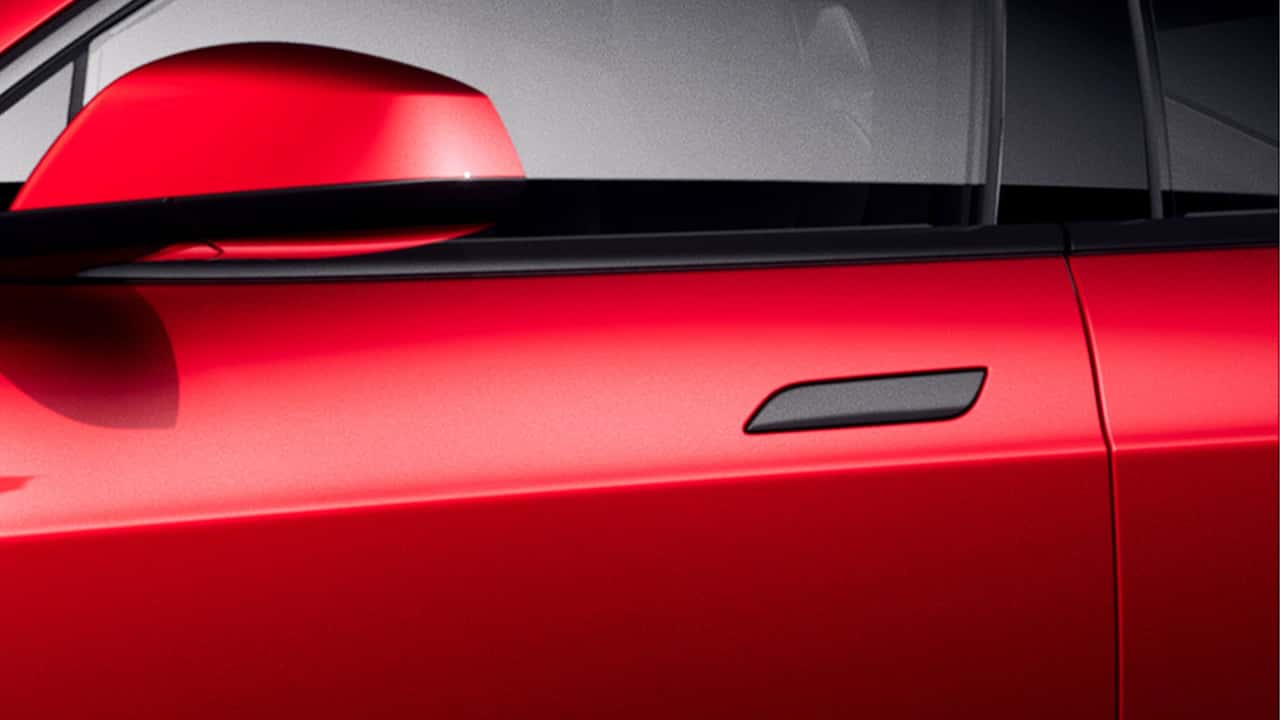
Tesla's minimalist interior door handles have caught the attention of federal regulators. The National Highway Traffic Safety Administration announced it will develop new safety rules governing interior door release mechanisms across all vehicles, prompted by concerns about Tesla's flush, capacitive touch door handles.
Tesla's design eliminates traditional mechanical levers in favor of touch-sensitive buttons integrated into the door panel. The company argues the approach improves interior aesthetics and reduces moving parts. Critics and safety advocates worry the system creates confusion during emergencies, particularly for elderly drivers, children, or occupants unfamiliar with the vehicles.
Complaints to NHTSA highlighted scenarios where passengers struggle to exit during accidents, fires, or other urgent situations. The agency documented instances of drivers unable to open doors in high-stress conditions because they didn't understand the touch interface required sufficient pressure or a specific motion to function. Battery electric vehicles like Tesla models rely on complex door mechanisms that can fail during power loss or system malfunctions, adding another layer of concern.
The regulatory push reflects broader industry tensions between design innovation and occupant safety. Tesla has defended its approach by noting that interior door handles operate redundantly in its vehicles and function without electrical power in emergency situations. However, NHTSA's decision to establish formal rules signals that federal safety standards currently lack explicit requirements for door release accessibility and intuitiveness.
This development affects the entire automotive industry, not just Tesla. Luxury brands including BMW and Genesis have adopted similar minimalist door handles on recent models. Establishing clear federal standards could force manufacturers to reconsider contemporary design trends prioritizing flush surfaces over tactile, immediately recognizable controls.
The rulemaking process will take months or years to complete. Meanwhile, Tesla and other automakers will continue shipping vehicles with these controversial systems. This situation exemplifies the ongoing friction between automotive design innovation and federal safety oversight as the industry evolves.