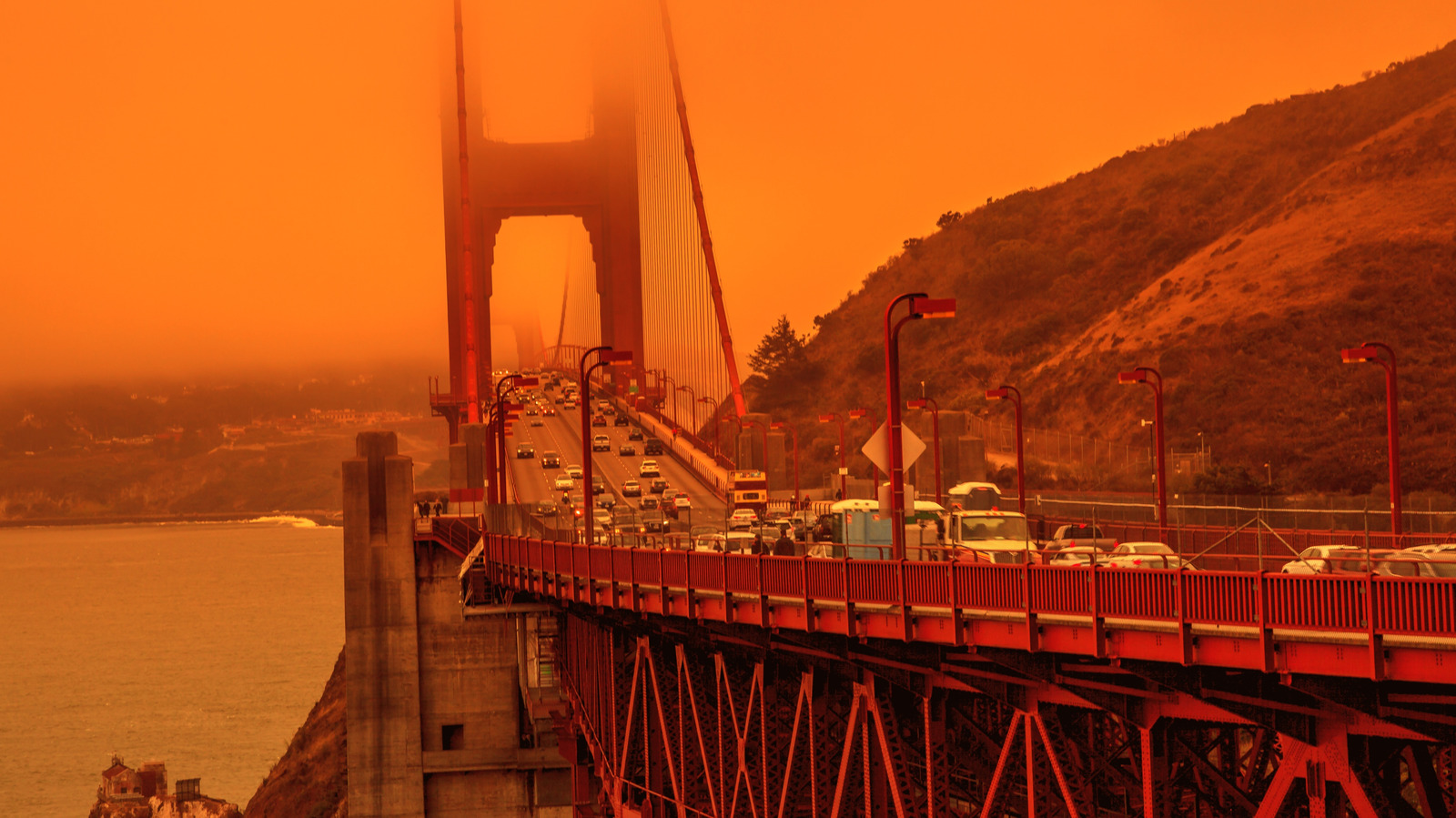
Wildfire smoke poses an underappreciated threat to vehicles that extends beyond the immediate burn zone. Fine particulate matter suspended in smoke can corrode paint, clog air filters, damage engine components, and reduce visibility on roadways. Prolonged exposure degrades clearcoat, etches into finishes, and accelerates rust formation on unpainted metal surfaces.
The insurance coverage gap creates a major problem for drivers in wildfire-prone regions. Comprehensive policies typically cover direct fire damage, but smoke damage often falls into a gray area. Comprehensive claims require proof that damage stems from a covered peril. Insurance companies frequently dispute whether smoke-related deterioration qualifies as direct loss or normal wear, leaving owners liable for repair costs that run into thousands of dollars.
Smoke damage to engines presents particular complexity. When fine ash enters air intake systems, it bypasses filters and reaches cylinders, causing abnormal combustion and accelerated wear. Oil becomes contaminated with particulate matter, reducing its protective properties. Some insurers classify this as mechanical failure rather than weather-related damage, denying claims outright.
Vehicle owners in smoke-affected areas should take specific protective steps. Park in garages or covered structures whenever possible. Apply protective wax coatings before fire season begins. Check air filter condition frequently and replace more often than manufacturers recommend. Change engine oil and cabin air filters more regularly to remove accumulated particulates.
Review your policy language carefully. Some comprehensive policies explicitly exclude smoke damage or classify it under specific conditions. Others cover direct contact but not indirect effects. Contact your insurance agent before damage occurs to clarify your coverage. Document your vehicle's condition with photographs and maintain detailed maintenance records.
The wildfire insurance issue highlights a growing gap between environmental hazards and traditional auto insurance frameworks. As wildfire seasons intensify and smoke zones expand, the industry will likely face pressure to address these coverage ambiguities. Until policy language clar