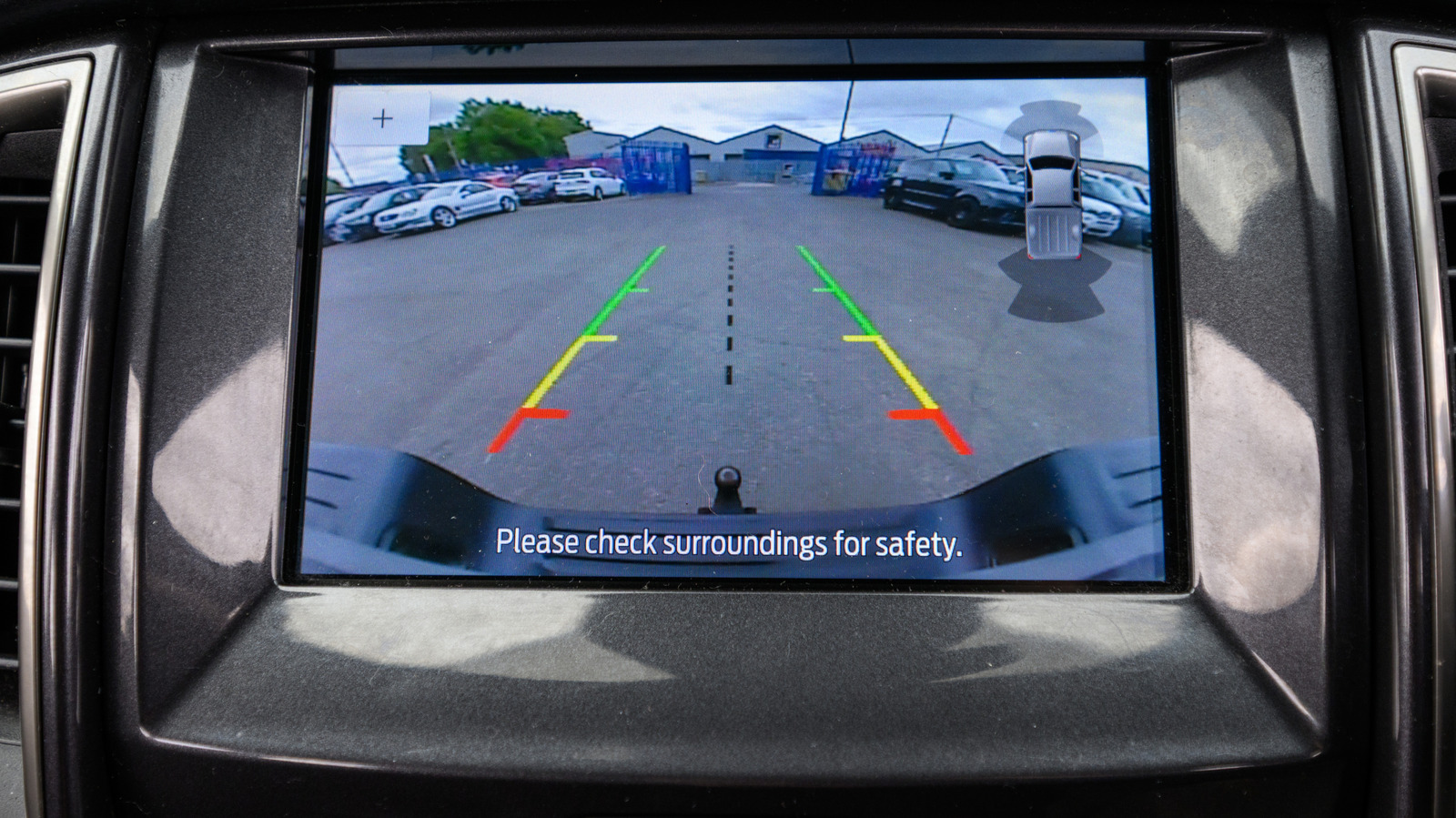
Backup cameras became a federal mandate for all new vehicles in 2018, yet the safety impact remains contested. The National Highway Traffic Safety Administration required the technology to address the roughly 210 deaths and 15,000 injuries annually from backover incidents. Rear-view camera systems display footage on a dashboard screen, theoretically giving drivers a clear view of obstacles and pedestrians behind their vehicle.
The evidence is mixed. Some studies show backup camera adoption correlates with reduced backover accidents, particularly among vulnerable populations like children and elderly pedestrians. However, causality proves harder to establish. Drivers with newer vehicles equipped with cameras tend to be more affluent and potentially more cautious overall. Confounding variables complicate attribution.
Real-world usage patterns undercut theoretical benefits. Many drivers fail to check camera displays consistently before reversing. Overreliance on the technology creates complacency. Poor camera calibration, weather-related obstruction, and limited field of view still leave blind spots. A 180-degree camera cannot capture everything behind a large pickup truck or SUV.
Driver behavior also matters. Cameras deliver data, but distracted or careless operators ignore warnings. Manufacturers have added guidelines and audio alerts, yet compliance remains voluntary and inconsistent.
The verdict: backup cameras reduce risk but do not eliminate it. They function best as one tool among many. Defensive driving habits, mirror checks, and deliberate reversing at low speeds remain essential. The technology helps, but no camera replaces attention. Insurance claim data and accident statistics will take years to fully reflect the impact of widespread adoption. For now, backup cameras represent incremental safety progress, not a game changer.