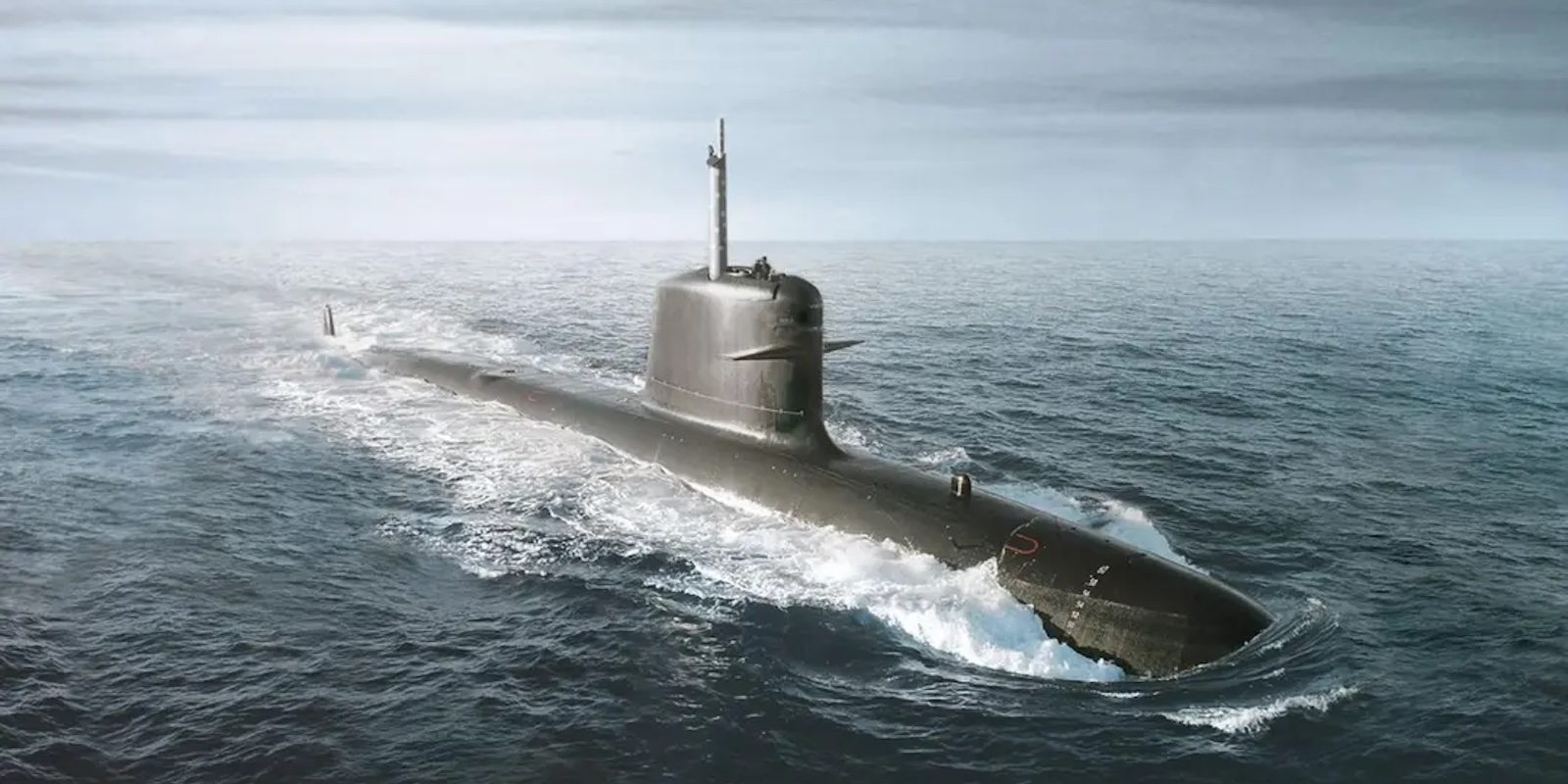
Saft, the European defense contractor, will supply advanced lithium-ion battery systems for the next generation of European submarines. The move marks a fundamental shift away from lead-acid technology that has powered underwater vessels for decades.
Lithium-ion batteries deliver significantly higher energy density than traditional lead-acid alternatives. This translates directly to extended underwater endurance, a critical operational metric for naval submarines. The technology enables faster charging cycles, reducing turnaround time between missions. These same battery chemistries power electric vehicles, bringing proven automotive-grade reliability to military applications.
The upgrade addresses a real operational constraint. Submarines depend on battery power while submerged, making energy density a tactical advantage. Traditional lead-acid systems require larger physical footprints and deliver lower power output per unit weight. Lithium-ion packs compress more usable energy into comparable space, allowing naval architects greater flexibility in hull design and weapon system placement.
European navies operate aging submarine fleets with significant operational demand. Sweden's Gotland-class, France's Suffren-class, and Germany's Type 212 boats all rely on conventional batteries. The Saft contract signals a modernization push across the continent's naval forces, reflecting recognition that battery technology has matured beyond experimental status.
The automotive industry's massive EV investment has driven lithium-ion costs down and supply chains up, making the economics workable for military procurement. Defense contractors now source similar cells and management systems as Tesla and BMW, benefiting from economies of scale that were unavailable a decade ago.
Safety considerations differ in submarine applications. Thermal management becomes critical in sealed, pressurized environments. Saft's systems address this with advanced battery management electronics and cell chemistry formulated for stability in extreme conditions.
This procurement decision reflects broader European defense policy. Submarine capabilities matter for NATO naval deterrence, particularly as Russian underwater activity increases in northern waters.