A new study confirms what EV advocates have long claimed: electric vehicle owners report higher satisfaction across nearly every dimension of vehicle ownership compared to traditional gas car drivers.
The research captures a fundamental shift in buyer expectations. EV owners consistently rank their vehicles higher on reliability, performance, daily convenience, and overall driving experience. The gap appears widest in categories directly tied to EV advantages. Lower operating costs matter. No oil changes or transmission fluid services cut maintenance burden and expense. Instant torque from electric motors delivers acceleration that rivals or exceeds comparable gas engines. One-pedal regenerative braking simplifies city driving. Charging at home overnight eliminates routine gas station trips for most owners.
But the satisfaction advantage extends beyond EV-specific benefits. Owners praise build quality, interior technology, and driving dynamics. Many describe their vehicles as simply feeling more modern and responsive than the sedans and crossovers they previously owned. Tesla's Supercharger network, Hyundai's Ioniq 5, and BMW's i4 each cultivated loyal buyers who actively prefer their EVs to gas alternatives.
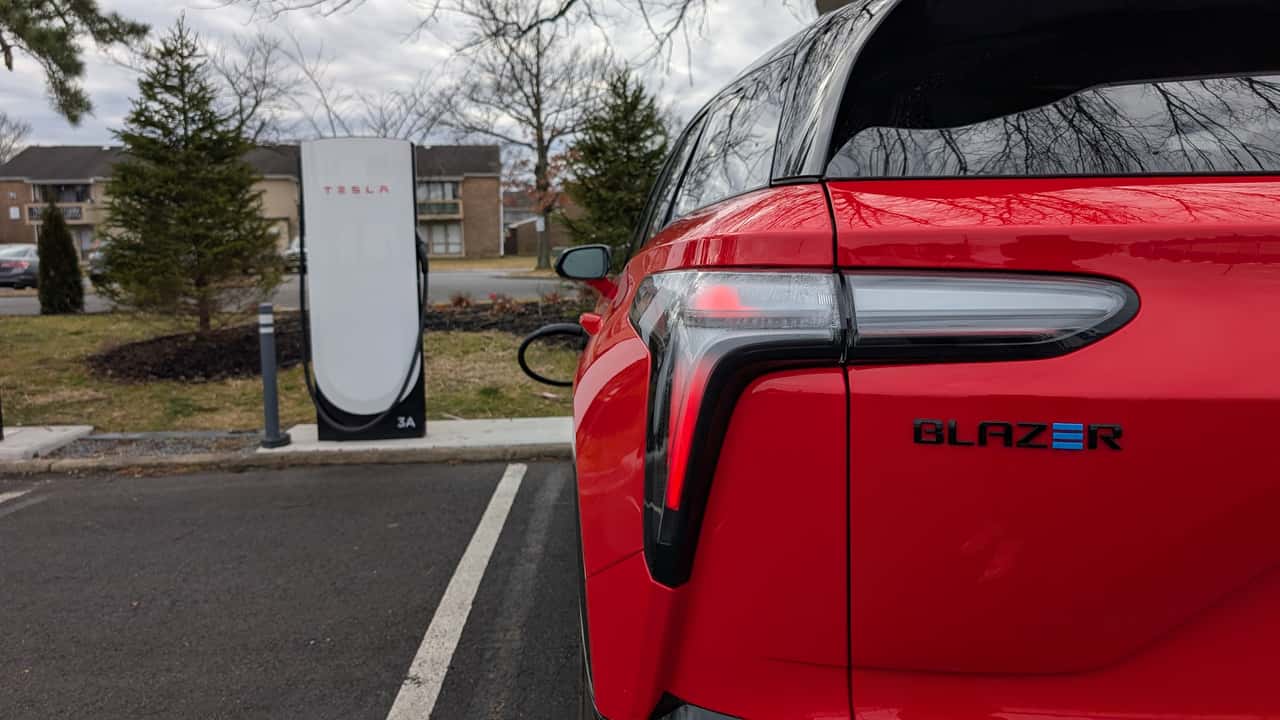
The timing matters. This study arrives as EV adoption accelerates globally and charging infrastructure improves. Earlier EV buyers often tolerated range anxiety and longer charging times. Today's buyers face fewer compromises. A Chevrolet Blazer EV or Volkswagen ID.Buzz delivers practical capability with confidence. Legacy automakers finally understand the opportunity. Ford, General Motors, and Toyota committed billions to electrification because buyers increasingly want these vehicles.
Gas car owners haven't declined in satisfaction uniformly. Truck and SUV loyalists remain committed to familiar powertrains. But mainstream sedan and compact crossover buyers increasingly view combustion engines as yesterday's technology. EVs have moved past novelty into the mainstream preference zone, particularly among younger owners and urban drivers.
The study reflects market reality: once