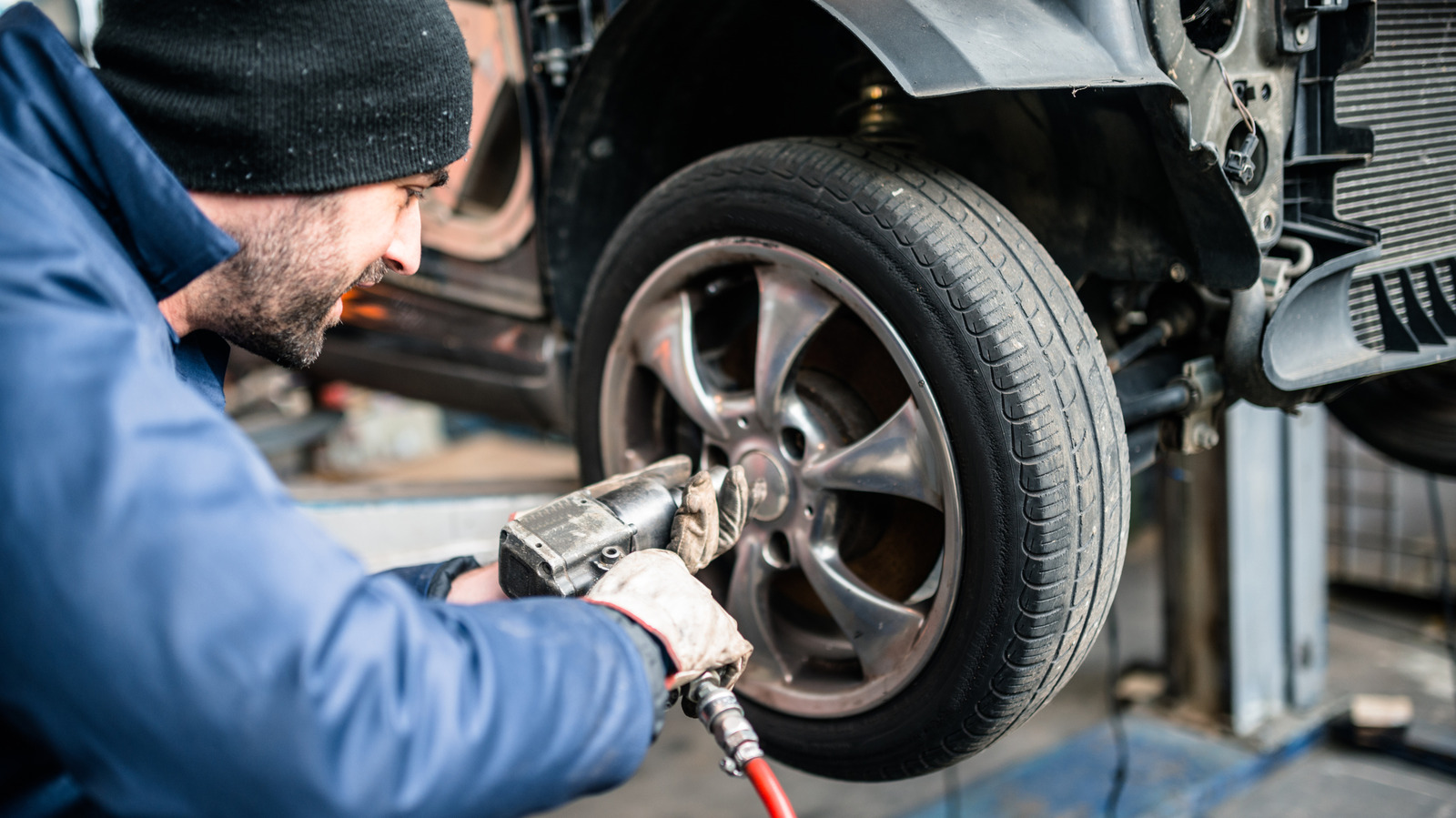
Tire pressure fluctuates with ambient temperature, a physical reality that catches many drivers off guard. Cold weather shrinks the air inside tires, reducing PSI by roughly 1 pound per 10 degrees Fahrenheit. Summer heat expands air and raises pressure correspondingly. This isn't just academic. Underinflated tires increase rolling resistance, burning extra fuel and degrading tread life faster than they should. Overinflated tires reduce contact patch and compromise handling grip.
Most vehicles list target PSI on a door jamb placard or fuel filler door. That spec assumes room temperature. Winter demands a check. If you live somewhere that dips below freezing, your tires lose pressure as temperatures drop. A tire reading 32 PSI at 70 degrees might sit at 28 PSI when the thermometer hits 30 degrees. That margin matters. Underinflation accelerates wear on tire sidewalls and shoulders, shortening tire life by thousands of miles. Fuel economy takes a hit too. Properly inflated tires reduce drag and improve mileage by 2 to 3 percent.
The opposite happens in summer. Tires warm up through friction and solar heating. Pressure climbs as internal temperature rises. Overinflation makes tires ride harsh and concentrates wear in the center of the tread. Sidewalls take less abuse, but the trade-off favors center wear and potential blowout risk under extreme heat.
Smart tire management means checking pressure monthly, more often during seasonal transitions. Use a reliable gauge and check tires cold, before driving or at least three hours after stopping. Heat from driving inflates readings artificially. Winter driving in cold climates demands particular attention. Every 10-degree temperature drop costs roughly one PSI. Summer trips require vigilance too, especially highway miles where heat