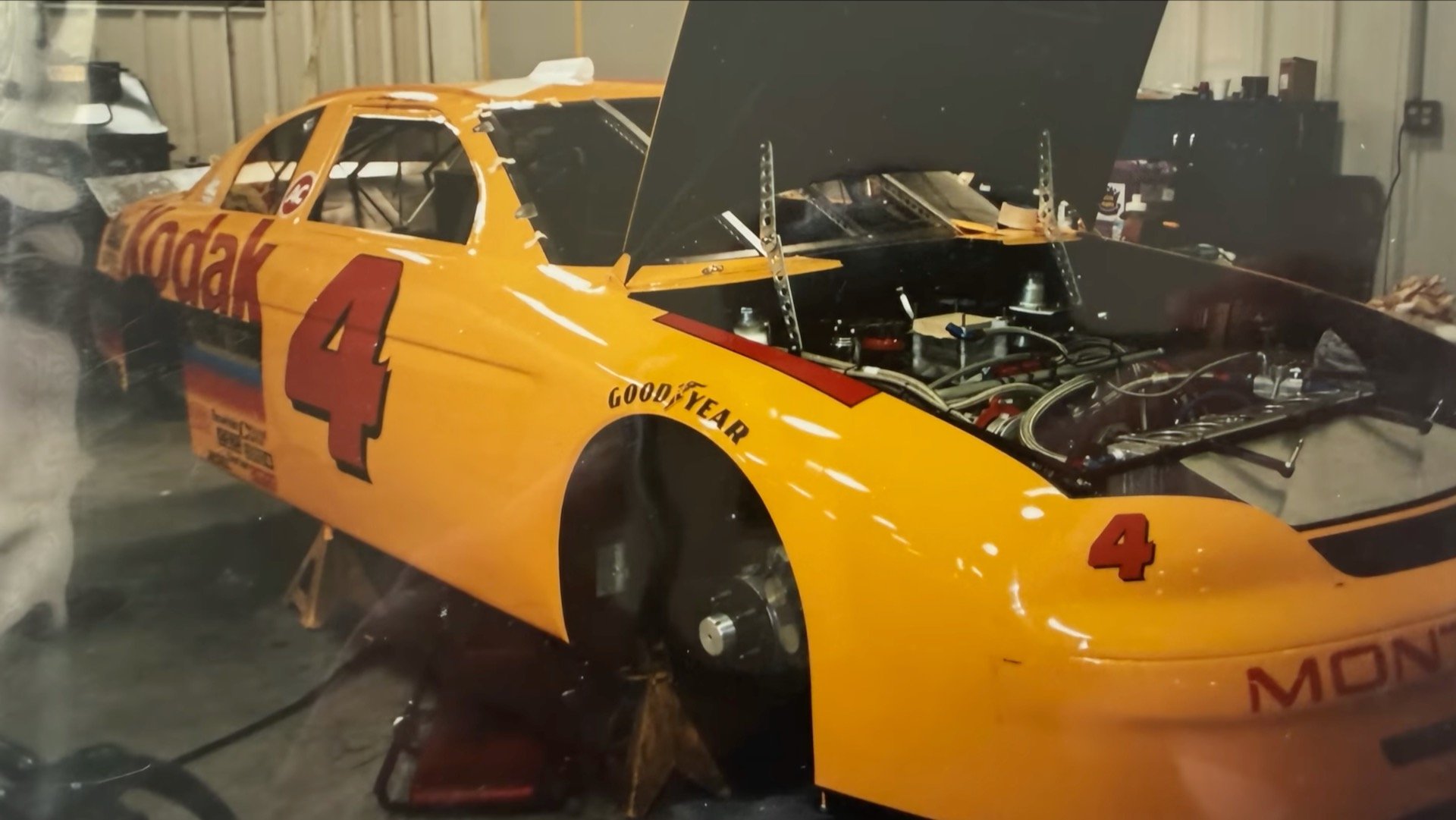
An aerospace engineer revolutionized NASCAR performance in the 1990s and 2000s through exhaust system innovation that made the sport louder while fundamentally improving speed. The engineer's breakthrough came with a new exhaust design that powered the 1995 Daytona 500-winning car, transforming both its competitive advantage and the acoustic signature that defines the era.
The exhaust system wasn't designed primarily for noise. Instead, it prioritized aerodynamic efficiency and exhaust scavenging. The thunderous sound emerged as an unintended consequence of optimizing flow dynamics and pressure waves within the exhaust tubes. The design extracted more horsepower from stock-block engines operating under NASCAR's strict technical regulations, giving teams a tangible speed gain on track.
The timing proved pivotal. NASCAR in the mid-1990s operated under regulations that constrained engine development but allowed flexibility in exhaust architecture. This engineer's work exploited that window, delivering competitive gains that translated directly to race wins. The 1995 Daytona 500 victory validated the concept at NASCAR's most prestigious event.
The exhaust innovation spawned the iconic sound that defines '90s and '00s NASCAR broadcasts. Those distinctive high-pitched wails and aggressive pops became the soundtrack of the sport's golden age, building fan enthusiasm and television identity. The sound became inseparable from the era's greatest drivers and teams, even as the technology served purely functional purposes.
This story illustrates how engineering breakthroughs in motorsport rarely pursue single objectives. The rocket scientist didn't set out to make NASCAR louder. He optimized for speed. The volume followed from physics. Yet that unplanned byproduct became culturally defining, shaping how millions of fans experienced the sport. It remains a reminder that sometimes the most memorable innovations arrive as secondary effects of primary engineering goals.