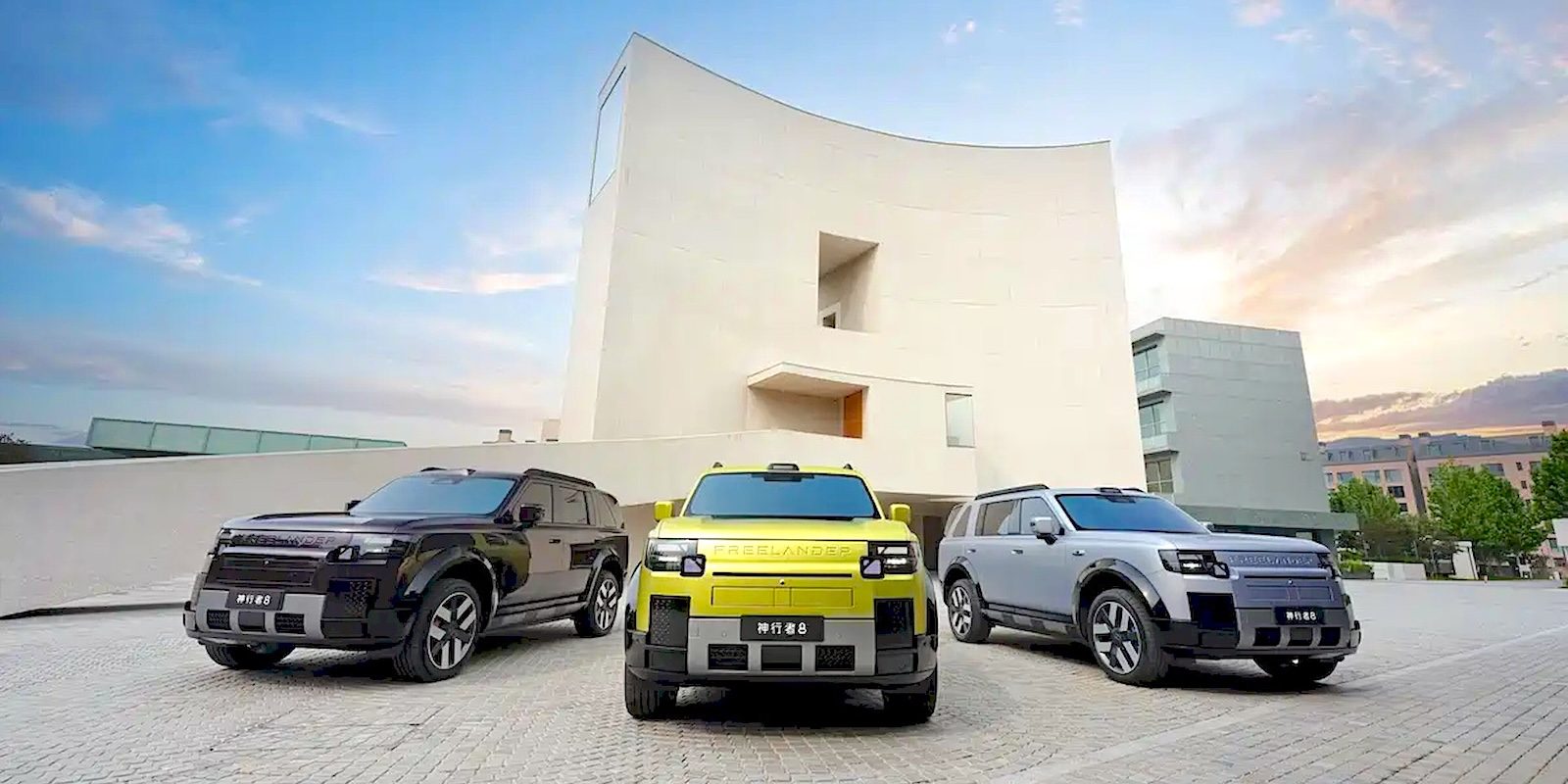
Land Rover has unveiled the interior of its upcoming Freelander 8 EREV, a six-seat extended-range electric vehicle targeting China's ultra-luxury SUV segment. The cabin prioritizes passenger comfort over traditional driving hierarchy, with rear accommodations rivaling the driver's position in terms of amenities and design sophistication.
The Freelander 8 EREV combines a battery-electric powertrain with a range-extending combustion engine, addressing range anxiety while maintaining zero-emission capability in urban environments. This hybrid architecture appeals to Chinese buyers who demand both environmental consciousness and practical long-distance capability. The six-seat configuration abandons the typical seven-seat middle row crunch, instead offering three rows with genuine spaciousness.
Interior styling emphasizes high-tech materials and executive-class finishes. Jaguar Land Rover equipped the cabin with contemporary infotainment systems, premium upholstery, and climate control across all seating positions. The rear captain's chairs appear to include individual entertainment systems and advanced comfort features, suggesting price positioning in the premium segment.
This launch reflects Jaguar Land Rover's strategic pivot toward Chinese consumers, where luxury SUV demand remains robust despite EV adoption slowing in some categories. The EREV powertrain bridges the gap between pure-electric vehicles and traditional combustion engines, appealing to buyers hesitant about charging infrastructure in less-developed regions.
Competitors in the Chinese luxury SUV market include BMW's iX xDrive50, Audi's Q6 e-tron, and local brands like Li Auto's luxury EREVs. Land Rover's positioning emphasizes British heritage combined with technology innovation. The cabin-first design philosophy signals confidence that the brand can justify premium pricing through interior experience rather than driving dynamics alone.
The Freelander 8 EREV underscores how traditional auto