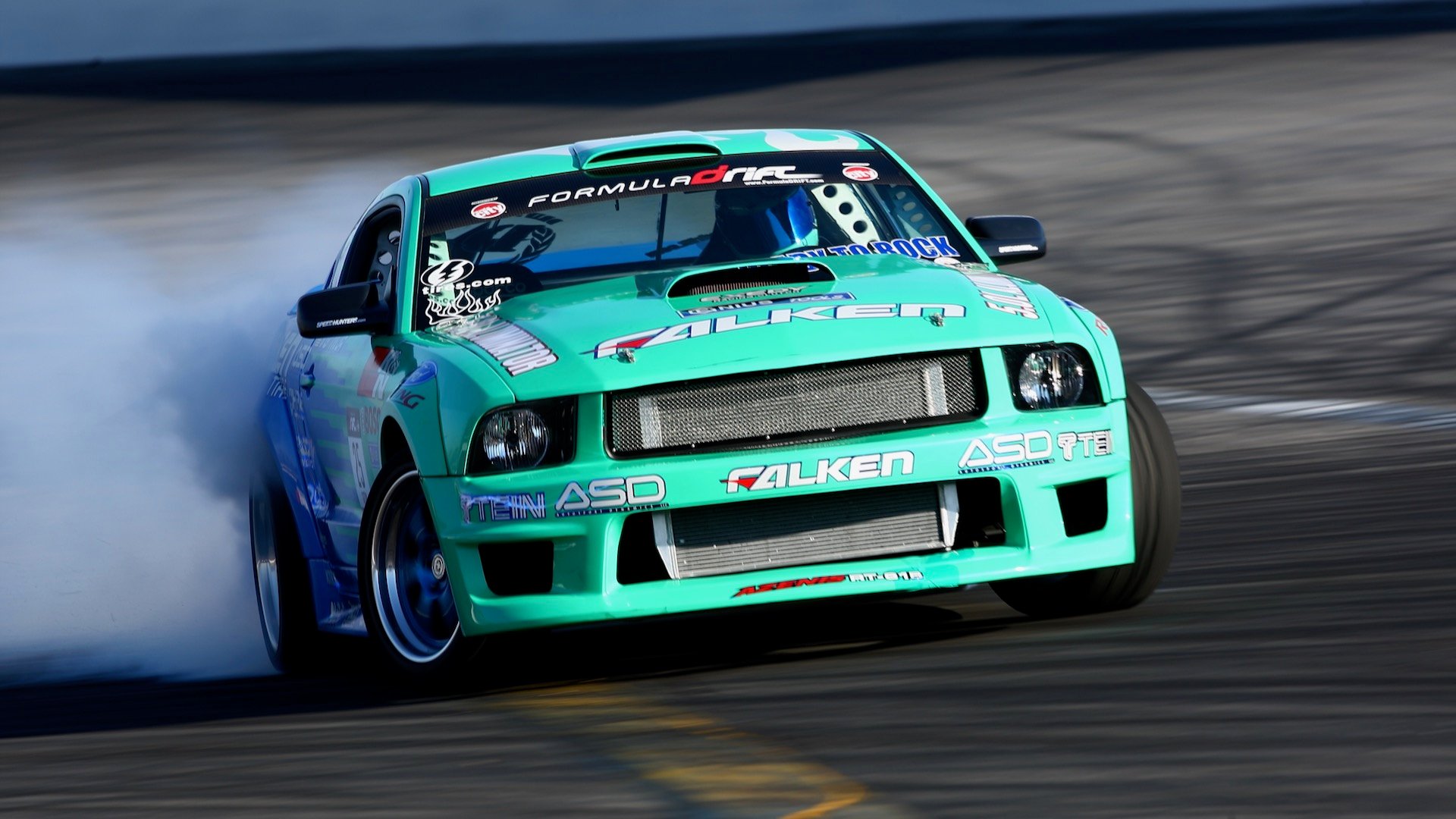
A new book documents the rise of RTR (Vaughn Gittin Jr.'s Road to Relevance), tracing the outfit from underground drift competitions to a major Ford partnership. The narrative captures how a grassroots racing operation scaled into something far larger, building a brand that extended beyond competition into automotive culture and merchandising.
RTR started as Gittin Jr.'s personal project, with the driver pushing modified Ford Mustangs to extreme angles on courses and at events. The team's aesthetic, technical approach, and social media savvy resonated with younger enthusiasts. Ford noticed. The automaker saw RTR as an authentic voice in performance tuning and counterculture appeal, eventually bringing the team into an official partnership. That collaboration spawned special editions, exclusive models, and co-branded content that reached mainstream automotive audiences.
The book explores how RTR transcended the niche world of drifting. Gittin Jr. leveraged sponsorships, built a content machine, and turned a racing team into a lifestyle brand. Other manufacturers took note, recognizing that authenticity and grassroots credibility held marketing power. RTR became a blueprint for how small, passionate teams could negotiate with major corporations without losing their edge.
This story reflects broader industry trends. Automakers increasingly pursue partnerships with independent tuners and racing outfits to inject authenticity into their brands. Consumers, especially younger buyers, trust personalities and teams more than traditional advertising. RTR's growth from drift events to Ford collaborations demonstrates that genuine passion converts to commercial success.
The book likely appeals to drifting fans, Mustang enthusiasts, and anyone interested in how internet-era brands emerge from grassroots origins. For the automotive industry, RTR's trajectory offers lessons in corporate-grassroots partnerships and the value of community-driven authenticity in a crowded market.