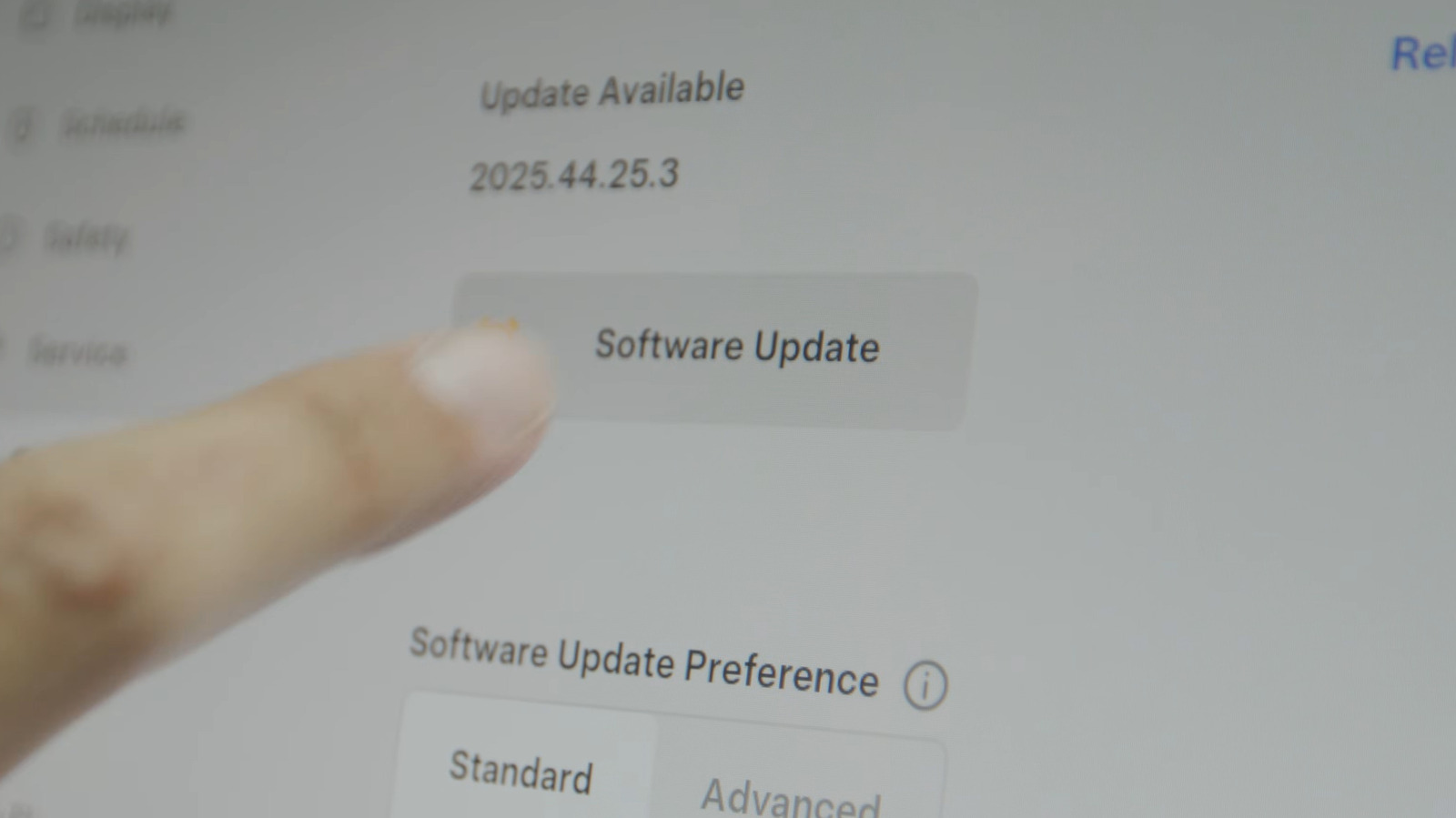
Over-the-air updates have become standard across the automotive industry, from Tesla and General Motors to traditional manufacturers like BMW and Mercedes-Benz. The technology delivers software patches, feature enhancements, and performance tuning directly to vehicles without requiring dealership visits.
The advantages are clear. Remote updates reduce costs for automakers and dealers by eliminating service appointments for minor fixes. Drivers benefit from improved functionality, bug fixes, and new features arriving automatically. Tesla's approach demonstrates the potential, pushing cabin entertainment upgrades, driving assistance refinements, and charging optimizations to its fleet overnight. Security patches deploy rapidly across millions of vehicles simultaneously, addressing vulnerabilities before hackers exploit them. This speed matters in the connected-car era, where vehicles become increasingly vulnerable to digital threats.
However, significant drawbacks exist. Owners lose direct control over when updates install, sometimes experiencing feature changes or behavior modifications they didn't request. Software bugs occasionally cause problems worse than the issues being fixed. Several recent cases saw automakers push updates that degraded battery performance or infotainment functionality. Data privacy concerns loom large as vehicles constantly communicate with manufacturer servers, collecting driving patterns and location data.
Reliability remains unproven at scale. Unlike smartphones with established update ecosystems, cars operate in complex physical environments where a failed software update cannot simply be powered down and restarted. Vehicle safety systems depend on stable code, and pushing untested updates poses genuine risks. Some buyers resent mandatory updates eliminating features they paid for or changing vehicle behavior without consent.
The industry continues refining the approach. Tesla maintains the most aggressive update schedule, while traditional manufacturers adopt more conservative rollouts. Regulatory agencies have begun examining OTA update safety and cybersecurity practices, suggesting standardized requirements may emerge.
For consumers, OTA updates offer convenience and continuous improvement. The tradeoff involves surrendering some control over their vehicles and trusting manufacturers with sensitive data and