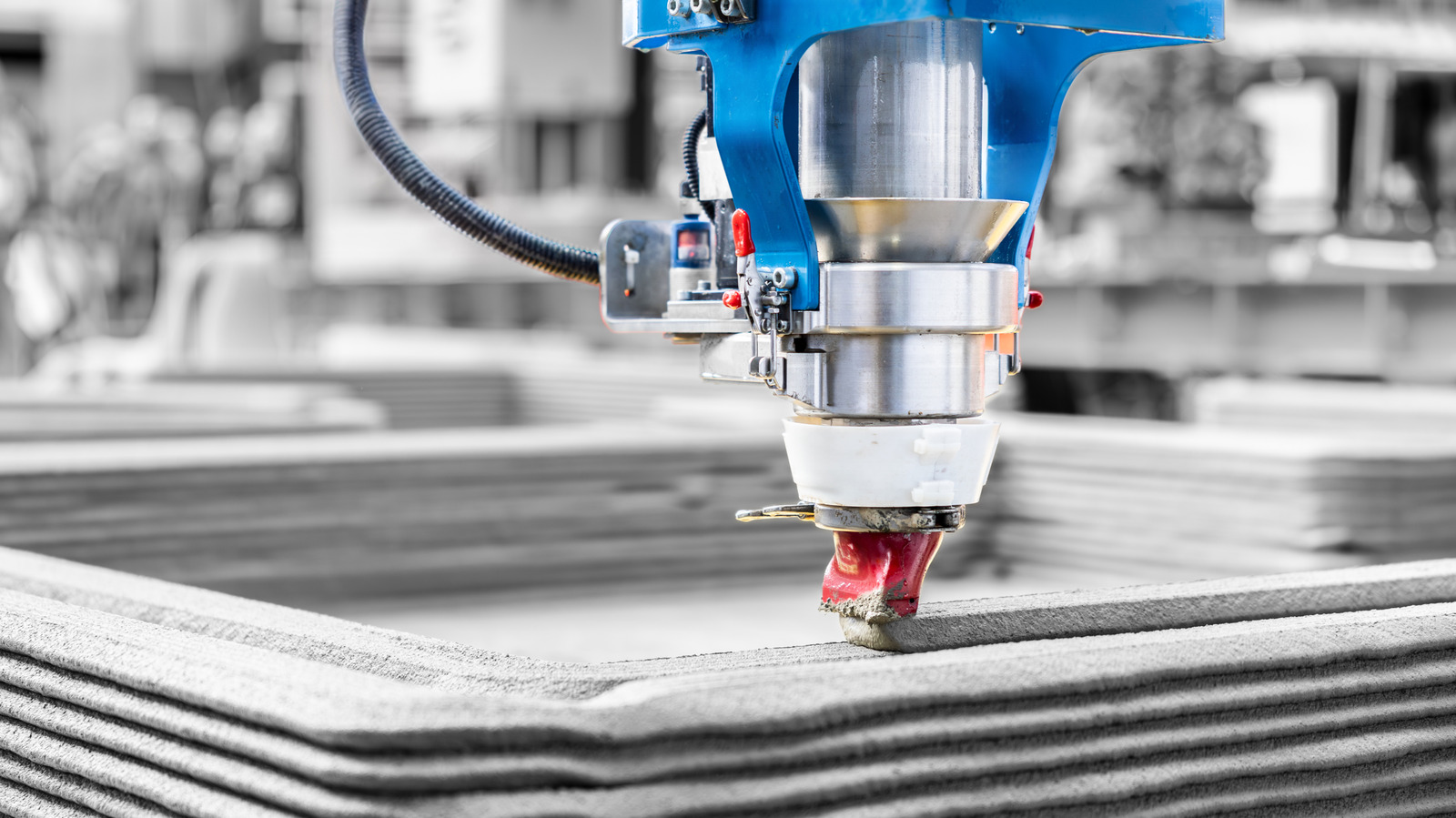
MIT researchers have developed a 3D-printed concrete construction method that reduces weight while maintaining structural integrity. A prototype bridge built using the technology weighs 16% less than a traditionally cast concrete equivalent yet handles identical load capacity.
The advancement addresses a core inefficiency in conventional concrete construction. Traditional methods pour concrete into molds, creating uniform structures that often carry unnecessary material in low-stress zones. 3D printing allows engineers to deposit concrete only where it's needed, optimizing load paths and eliminating waste.
This approach carries direct implications for transportation infrastructure and vehicle design. Lighter bridges require less reinforcement and fewer support materials during construction. For automotive applications, the technology could eventually inform how manufacturers think about structural components, though direct vehicle integration remains distant.
The climate benefit stems from concrete's outsized carbon footprint. Cement production accounts for roughly 8% of global CO2 emissions. Reducing concrete volume through intelligent printing cuts both material consumption and manufacturing emissions. The MIT team's 16% weight reduction translates to proportional resource savings on each structure.
Current 3D concrete printing faces scalability challenges. The technology works for proof-of-concept projects but hasn't reached the speed and consistency needed for mass production of bridges or major infrastructure. Construction timelines remain longer than traditional methods, though advocates argue this will improve as the technology matures.
The automotive industry watches such developments closely. Heavy vehicles depend on concrete for road and bridge systems. Lighter infrastructure reduces cumulative wear on pavement, lowering maintenance costs across transportation networks. Some manufacturers explore partnerships with construction tech firms to align sustainable building practices with vehicle efficiency targets.
Other researchers in the 3D concrete space include companies like Massive Dynamics and Wabot. Competition is intensifying as venture capital flows into construction technology. The race centers on speed, cost reduction, and scaling from prototypes to real-world projects.
MIT's bridge result demonstrates the concept