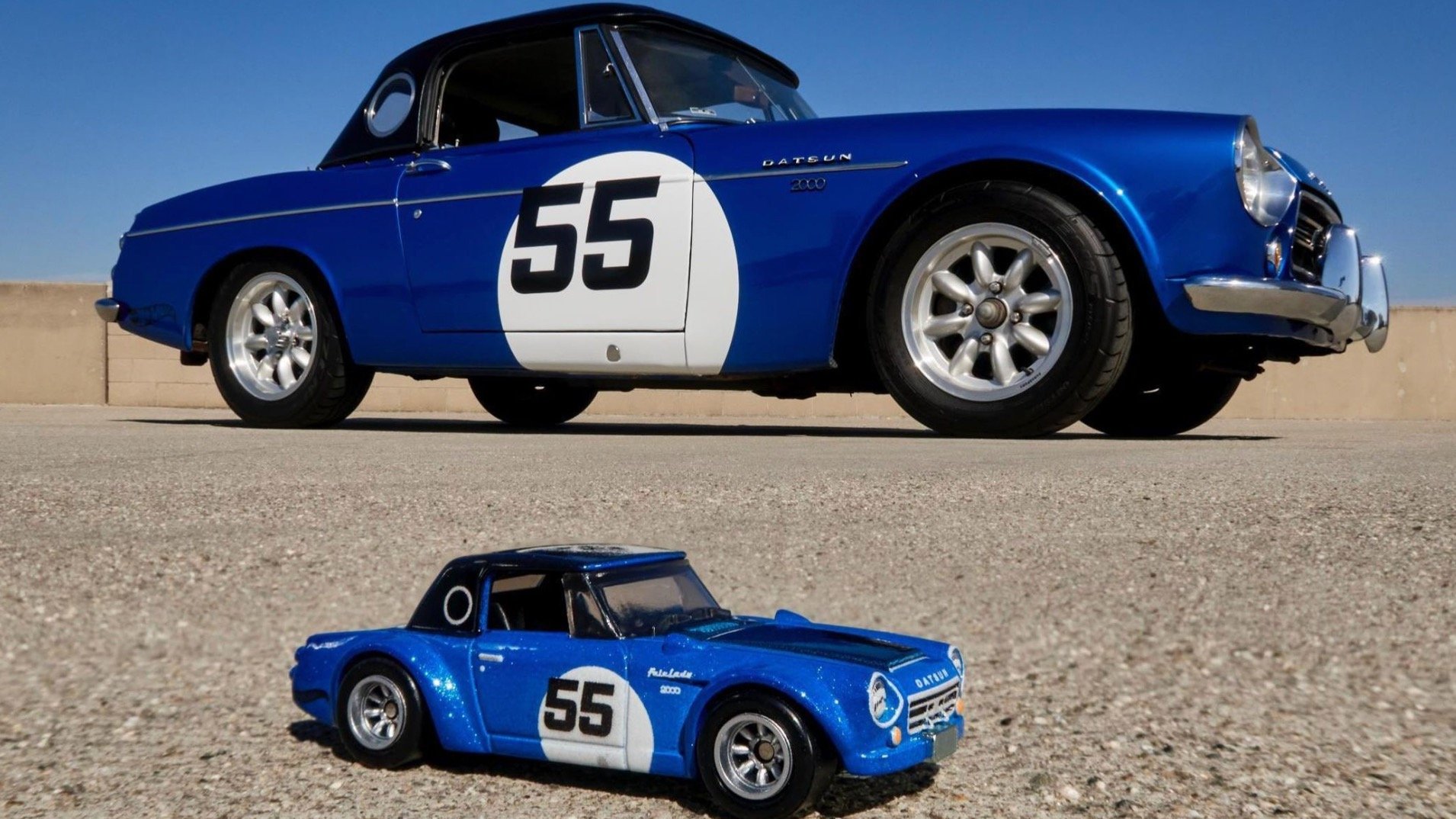
A collector with a restored Datsun Roadster landed a rare prize that few enthusiasts ever find: an original Hot Wheels die-cast model matching his actual car. The acquisition came down to timing and luck rather than deliberate hunting.
The Datsun Roadster, a lightweight Japanese sports car from the 1960s, has experienced a revival in collector circles over the past decade. These cars appeal to drivers seeking affordable classics with genuine performance credentials and simple, rewarding mechanics. The model represented in Hot Wheels form carries particular value because it captures a specific moment in automotive history when Mattel was actively producing contemporary vehicles as toy versions.
Finding a factory Hot Wheels that matches your actual car requires the convergence of several factors. The toy must exist in the first place. The scale and detail must reasonably represent your vehicle. You must actually encounter it somewhere. Most collectors never experience this alignment.
The Datsun Roadster Hot Wheels line ran during a period when Mattel paid closer attention to international models, making these particular castings harder to locate than domestic American muscle car versions. Values for vintage Hot Wheels have climbed substantially in recent years, with rare variants selling for hundreds or thousands of dollars depending on condition and casting rarity.
This story reflects a broader trend in automotive enthusiasm. Classic car owners increasingly seek out tangible connections to their vehicles beyond the physical machines themselves. Hot Wheels castings, model kits, promotional materials, and period advertising become extensions of ownership experience. Finding an original matching Hot Wheels transforms a toy into a piece of automotive history tied directly to your car.
The Datsun Roadster itself has become a gateway into classic car ownership for many collectors. These cars cost significantly less than equivalent European sports cars from the same era, yet they deliver comparable driving experiences and mechanical simplicity. Restoration communities have grown around the platform, making parts availability and