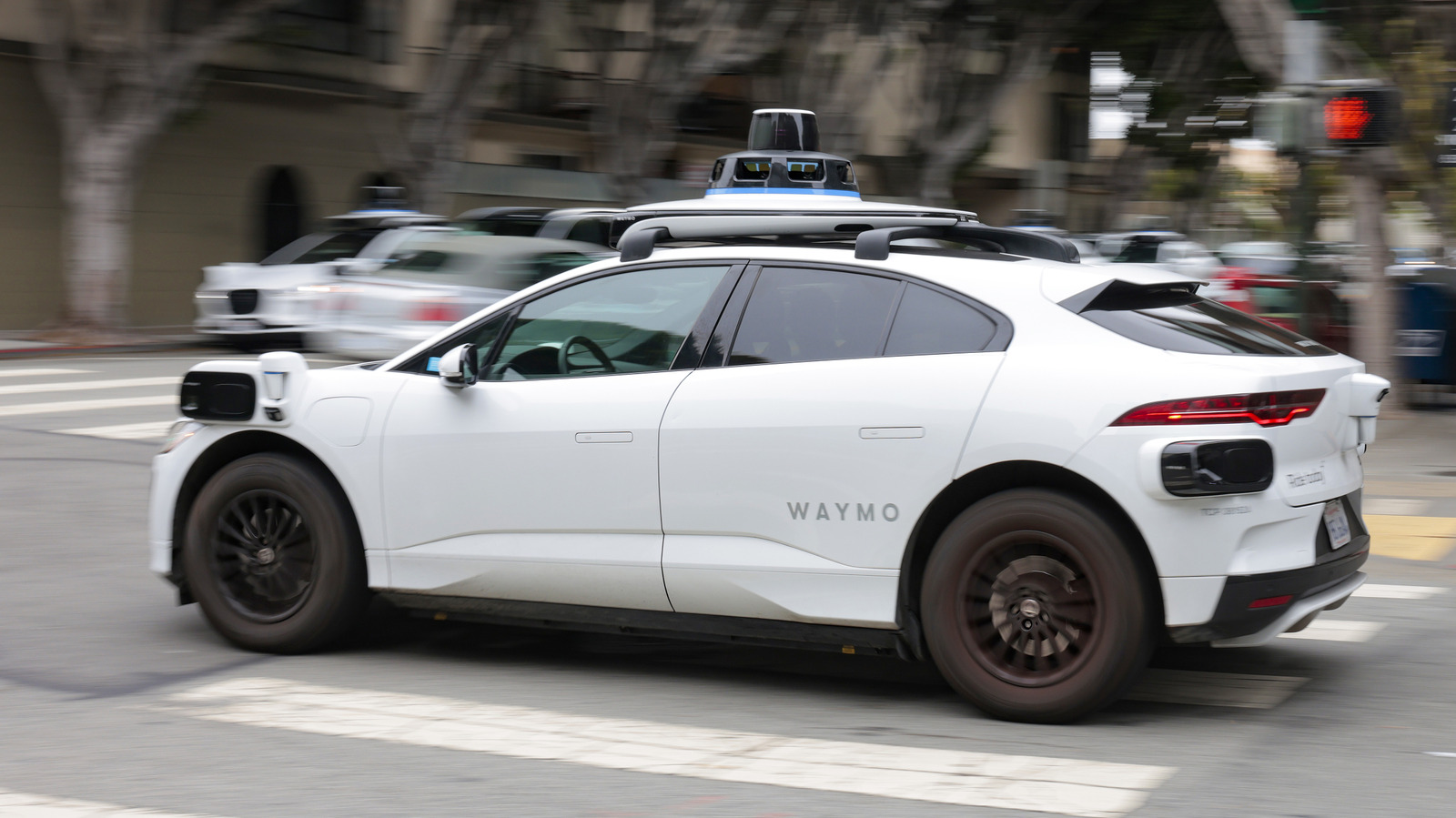
The Insurance Institute for Highway Safety released a report claiming Waymo's autonomous vehicles outperform human drivers on safety metrics, but the underlying data tells a murkier story. Comparing AV crash rates to human driver statistics requires navigating fundamental apples-to-oranges problems that skew the analysis.
Human driver crash data comes from millions of vehicles operating across all road conditions, weather, times of day, and driver skill levels. Waymo operates in limited geographies, predominantly in ideal conditions, and its fleet size remains tiny compared to the overall driving population. The company also avoids highways, bad weather, and night driving, eliminating entire categories of risk that human drivers face constantly.
The IIHS comparison relies on Waymo's self-reported accident data, which the company controls entirely. Independent verification remains limited. Waymo counts "disengagements," where safety drivers take over, but these incidents reveal operational failures that wouldn't register as crashes. Meanwhile, human driver statistics include every fender bender and minor incident across the entire United States, creating an inflated denominator that makes human driving appear worse than it actually is.
The real issue: Waymo operates in a controlled sandbox. Comparing its safety record to human drivers on identical routes in identical conditions would yield far more meaningful results. Instead, the industry has structured comparisons to favor autonomous vehicles by design.
Waymo's technology clearly demonstrates promise in limited, mapped, and predictable environments. Phoenix taxi service operations show the company can handle constrained urban routes effectively. But claiming superiority over human drivers based on current data misrepresents how each system operates in the real world. Human drivers navigate unpredictability constantly. Waymo avoids it.
The conversation around autonomous vehicle safety needs honesty. Waymo's vehicles perform well within their operational parameters. Claiming they're safer than all human drivers everywhere relies on selective