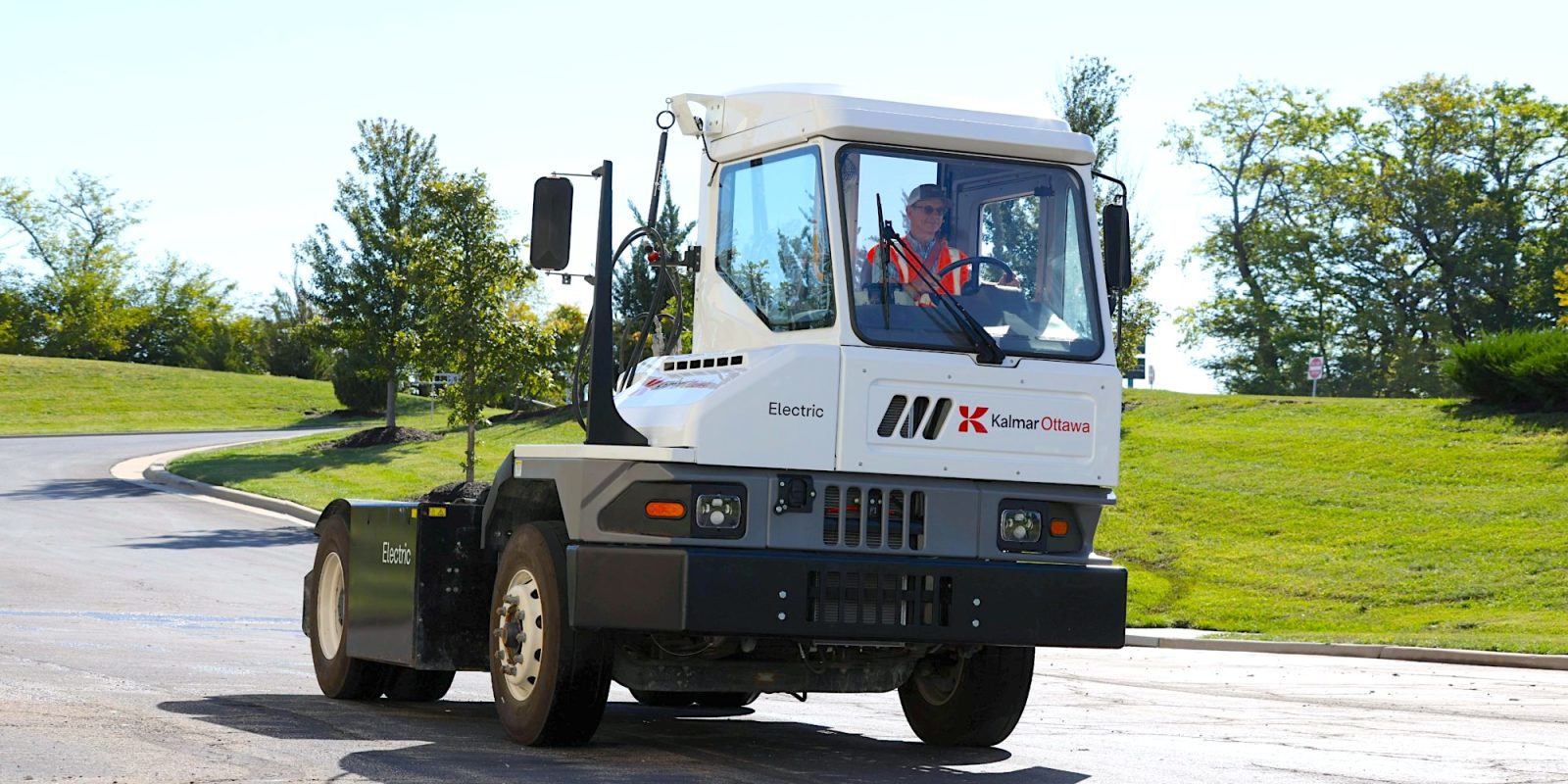
Kalmar Ottawa launches its battery-electric T2 EV yard truck in Canadian operations, marking the manufacturer's shift from diesel dominance in terminal tractor markets. The T2 EV enters a logistics sector increasingly motivated by cost control and fuel price volatility rather than environmental mandates alone.
Kalmar Ottawa built its reputation on rugged, long-lived diesel yard trucks deployed at ports and rail terminals worldwide. The T2 EV applies that durability ethos to battery power, targeting fleets that operate repetitive, predictable routes within confined yards where electric range and payload capacity align with typical daily demands.
Yard trucks represent an overlooked but lucrative electrification opportunity. These vehicles operate in controlled environments, return to depot daily, and move heavy loads over short distances. Unlike long-haul trucking, yard operations don't demand extreme range. Battery-electric powertrains eliminate the fuel cost volatility that plagues diesel operators, a real concern for logistics companies managing tight margins.
The T2 EV's Canadian deployment signals Kalmar's confidence in regional adoption. Canada's ports and intermodal facilities face mounting pressure to reduce emissions, while operators seek operational savings. The electric variant addresses both incentives without forcing carriers to compromise on towing capacity or reliability.
Competition in electric yard equipment remains fragmented. Competitors like BYD and Canadian startups are developing electric terminal tractors, but Kalmar's entrenched service network and reputation for durability give it leverage. Existing T2 operators already trust the platform, reducing switching friction.
The T2 EV's real test comes in total cost of ownership over the vehicle's operational life. Battery replacement, electricity rates, and charger infrastructure availability determine whether operators achieve claimed savings. Early Canadian deployments will generate real-world data on performance and economics that influence purchasing decisions across North American ports.
This launch reflects a