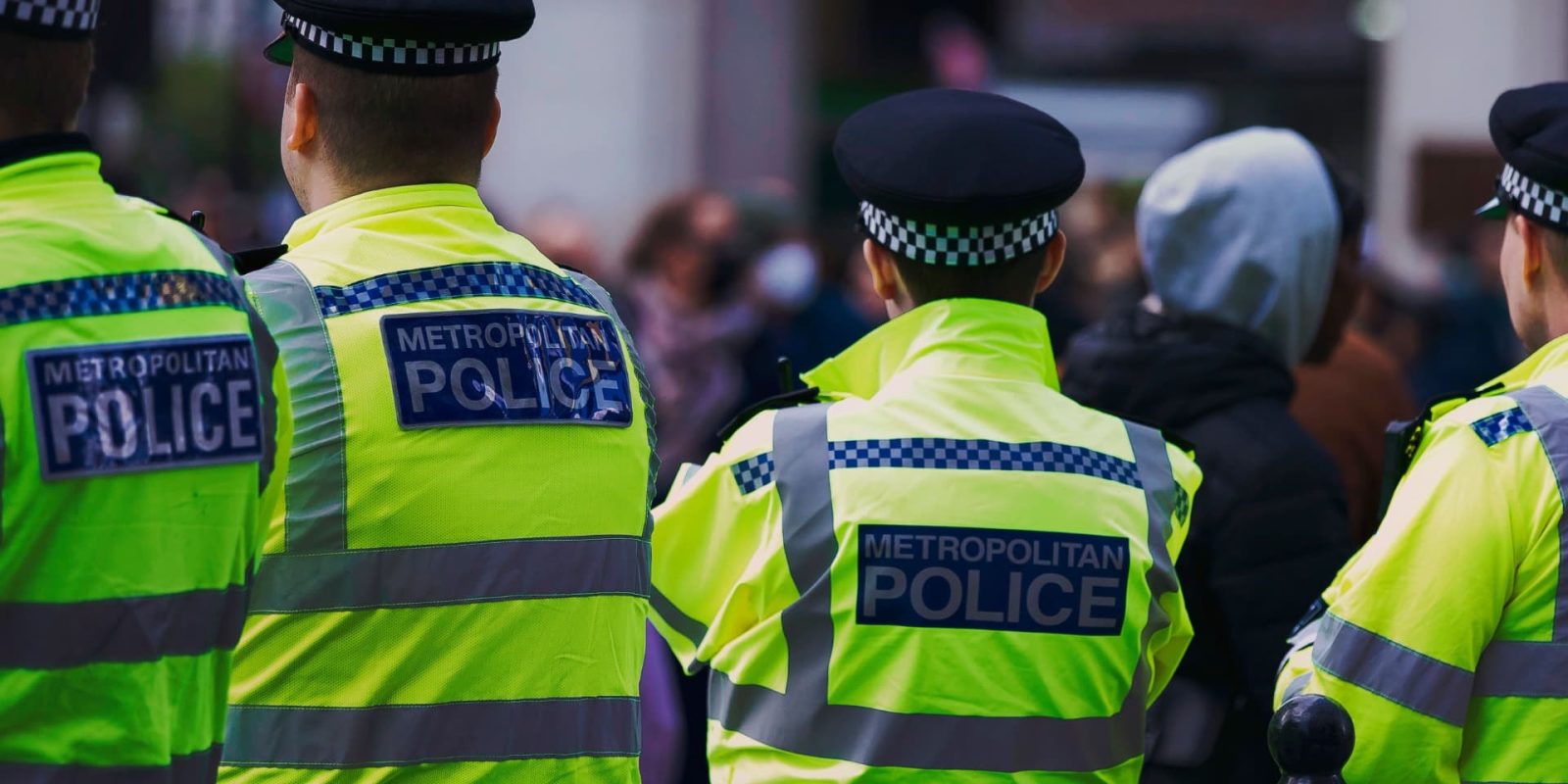
London's Metropolitan Police have seized more illegal e-bikes and e-scooters in 2026 than they confiscated throughout all of 2025, marking a sharp escalation in enforcement against modified micromobility devices. The police department's aggressive campaign reflects growing concern over unregistered and illegally modified vehicles flooding London streets.
The surge in seizures underscores a broader regulatory struggle across Europe and the UK. E-bikes and e-scooters occupy a legal gray zone. Most jurisdictions impose power limits, speed caps, and registration requirements, but riders frequently bypass these rules through modifications. Vehicles with removed limiters, swapped motors, or hacked firmware exceed legal thresholds and create safety hazards for pedestrians and other road users.
The Metropolitan Police's crackdown targets exactly this problem. Illegal modifications transform consumer-grade e-bikes into faster, more dangerous machines. A stock e-bike typically maxes out at 250 watts and 15.5 mph under UK law. Modified versions double or triple that output. E-scooters face even stricter rules in Britain. Private e-scooters remain illegal on public roads; only official rental schemes operating in licensed trial zones remain legal.
Enforcement intensity reflects public pressure. London, like other major cities, faces safety incidents involving e-scooter riders. Pedestrian injuries and property damage incidents spike alongside e-scooter adoption. The police response targets the worst offenders: riders operating vehicles that exceed legal specifications by significant margins.
The confiscation trend also signals shifting enforcement priorities. Previous years saw sporadic seizures. This year's pace indicates sustained, systematic operations. Officers patrol high-traffic areas and conduct targeted sweeps in neighborhoods with heavy micromobility use.
Manufacturers and retailers face pressure too. Police work upstream to identify shops selling modified kits or pre-hacked devices