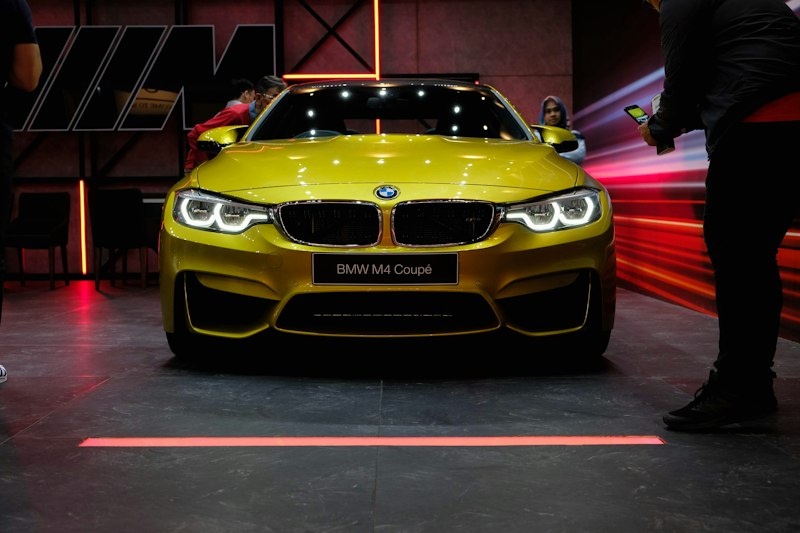
The electric vehicle conversation has settled into a comfortable groove. A car hits 400 miles of range, and we collectively nod with approval. Charging times drop below 20 minutes, and the headlines practically write themselves. The consensus is clear: EVs are solving the problem that always mattered most.
Except that consensus might be exactly backward.
Don't get me wrong. Range and charging speed matter. They always did. But here's what I think we're getting wrong: we've been optimizing for the wrong consumer. We've been building the EV future around people shopping for cars the way they've always shopped for cars. And that assumption is about to break in ways the industry isn't prepared for.
Consider what's actually happening at the margins. Yard trucks in Canada. Semi trucks dotting Texas corridors. Micromobility bills expanding what counts as vehicle-adjacent. These aren't niche stories. They're signals that the EV transition isn't happening to the passenger sedan market first. It's happening everywhere else simultaneously, and we're barely noticing because we're too busy comparing EPA range numbers.
The real question isn't whether a BMW or Audi can travel 400 miles on a charge. Of course premium manufacturers can engineer that. The question is what breaks when electric propulsion becomes the default for commercial fleets, last-mile delivery, yard operations, and every unglamorous hauling job that actually moves the economy.
Here's what breaks: the entire service and maintenance infrastructure that currently props up internal combustion dominance.
Think about it. A fleet manager considering 10 electric semis isn't comparing highway range specs. They're asking whether their maintenance facility can handle them. They're wondering if their mechanics know how to service an electric drivetrain. They're calculating whether the upfront savings in fuel and oil changes justify the training budget. They're asking whether their regional power grid can handle simultaneous charging of their entire fleet.
These aren't consumer marketing problems. These are infrastructure problems. And they're arriving faster than anyone expected because commercial operators care about total cost of ownership, not brand prestige.
The passenger EV market has become a showcase. Manufacturers prove their technology with luxury models because that's where margins exist to absorb R&D costs. But the actual disruption isn't happening there. It's happening in the sectors that are invisible to most car shoppers: the trucks you don't think about, the yard operations you never see, the micromobility options that aren't newsworthy.
These unglamorous applications are the ones that force systematic change. When a commercial fleet goes electric, it doesn't just need better cars. It needs new technicians, new supply chains, new regulatory frameworks, new power infrastructure. It needs a complete reimagining of how we maintain and operate vehicles at scale.
The comfortable consensus treats EVs as a consumer product that's finally ready for the mass market. That's the narrative we repeat: range anxiety is solved, prices are dropping, major manufacturers are committed.
But I think the more interesting and more accurate story is different: EVs have already won at the commercial level, and we're about to discover how unprepared our infrastructure actually is for what comes next.
The automotive industry knows how to build cars. What it doesn't know yet is how to simultaneously transform every garage, every fleet operation, every mechanic's skill set, and every regional power grid in the country.
That's the real test. And comfort isn't going to cut it.