The electric vehicle industry has a range problem, and I don't mean what you think. We're not talking about how far cars can travel on a single charge. We're talking about the narrow band of winners and losers the industry is creating by fixating on one metric above all others.
Walk into any EV conversation these days, and someone will mention it: range. Four hundred miles. Five hundred miles. The numbers keep climbing. Automakers tout them in press releases. Consumers cite them in buying decisions. It's become the default measure of EV progress, the scoreboard everyone watches.
But here's what's really happening beneath that obsession: the industry is rewarding luxury automakers and established legacy giants while punishing everyone trying to innovate in different directions.
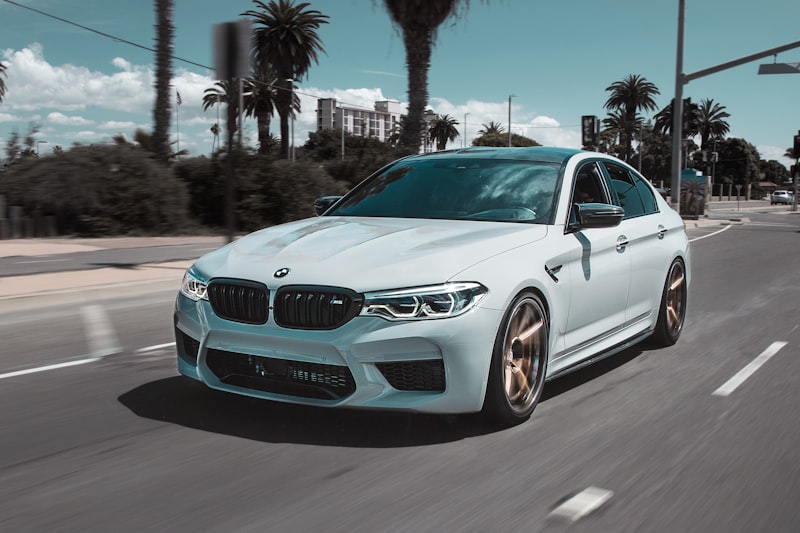
Consider what this fixation actually means. To achieve those headline-grabbing range numbers, you need massive battery packs. Massive battery packs require capital, scale, and supply chain sophistication. That's a game played by companies like Audi, BMW, and Tesla. They have the resources to engineer incremental improvements in battery density and charging speed that squeeze out another fifty miles of range. They announce these gains like they're breakthroughs. The industry applauds.
Meanwhile, the companies doing genuinely interesting work in commercial vehicles, micromobility, and practical transportation solutions? They're getting ignored because their vehicles don't fit the range narrative.
Think about the electric yard trucks and semi-trucks beginning to populate industrial corridors across North America. These aren't vehicles chasing 400-mile range. They operate in predictable routes with known charging infrastructure. A 150-mile range is sufficient. The real innovation happening here isn't about going further on a single charge. It's about total cost of ownership, duty cycle optimization, and integration into logistics networks. These solutions are solving real problems for real businesses right now.
Or look at the micromobility conversation. States are reconsidering regulations around electric motorbikes and scooters. These vehicles will never need 400 miles of range. They don't need it. They're designed for different purposes entirely. But the range obsession has created a cultural hierarchy where these vehicles feel secondary, less impressive, less worthy of serious investment and attention.
Here's the perverse incentive that's crystallized: automakers benefit from range-chasing because it justifies premium pricing. A car with 500 miles of range sounds like a better car than one with 250 miles, even if the 250-mile car perfectly serves your actual needs and costs half as much. The range narrative props up margins and excludes price-sensitive buyers from the conversation entirely.
We're building an EV market that looks increasingly like the luxury market. Expensive, impressive-sounding vehicles for affluent consumers in areas with robust charging infrastructure. Meanwhile, the vehicles that could actually transform transportation for working people, delivery networks, and industrial operations are treated as secondary innovations.
The industry has decided what progress looks like, and it's not what most people need.
What should happen instead? We need the investment community and media to broaden their definition of EV success. Range matters in certain contexts. But so does affordability, so does charging speed, so does suitability for specific use cases. A yard truck that reduces emissions and operating costs for a Canadian port is as much an EV success story as a luxury sedan that goes 400 miles.
Until we stop treating range as the universal metric of EV advancement, we'll keep rewarding the wrong players. The ones with the biggest marketing budgets and the deepest pockets. Not the ones solving the most pressing transportation problems.
Pay attention to who's benefiting from this obsession. And ask yourself whether it's actually getting us where we need to go.