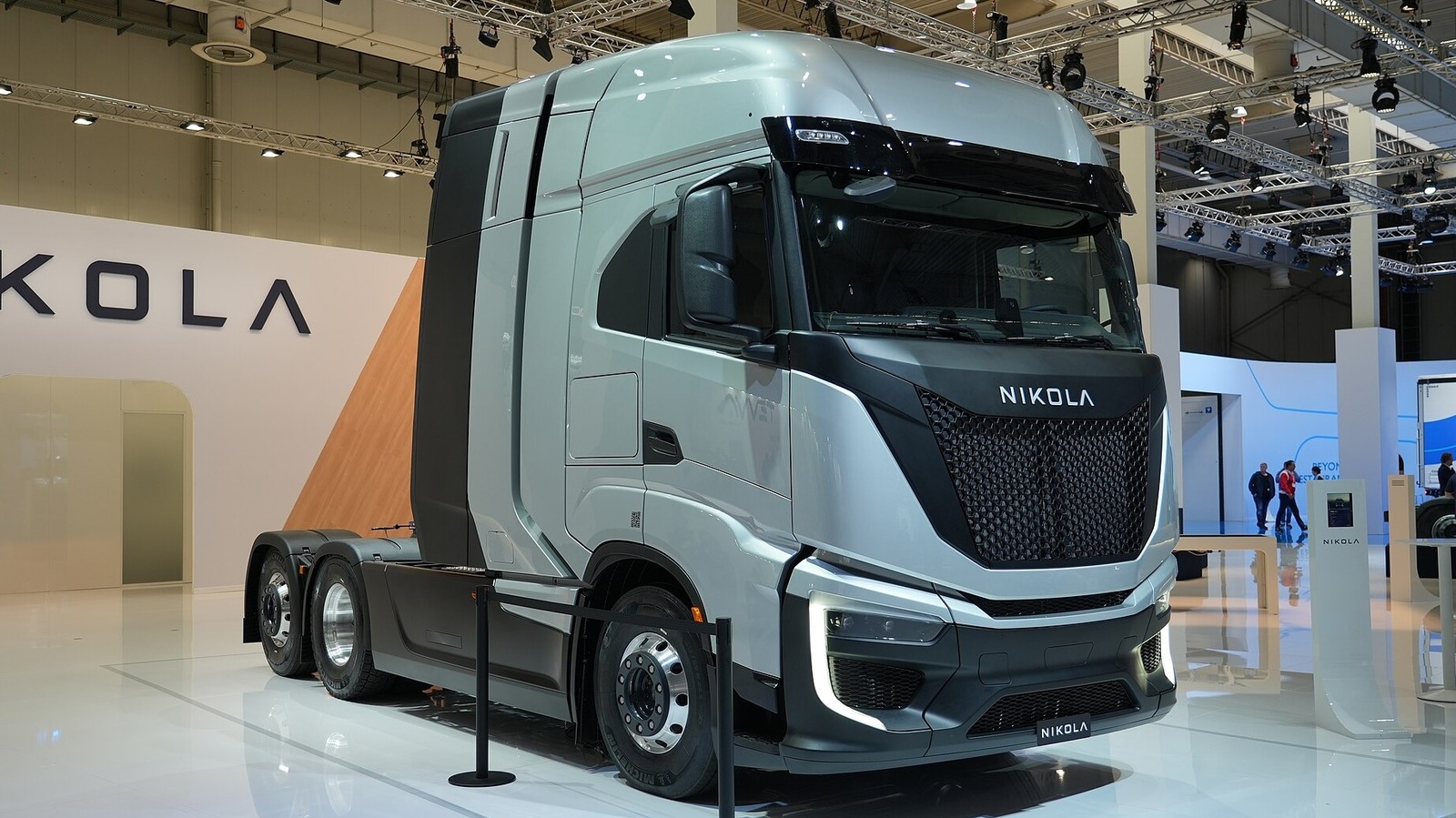
Hydrogen fuel cell semi trucks promised zero-emission hauling without the battery weight penalties of electric powertrains. The vision attracted billions in investment and spawned dozens of startups. Reality delivered something else entirely: a graveyard of failed companies.
Nikola's 2020 fraud scandal torched investor confidence. Hyzon Motors burned through cash and filed for bankruptcy protection in 2023. Ballard Power Systems, a fuel cell supplier, slashed its hydrogen truck division. Plug Power, once valued at $3 billion, faced accounting violations and supply chain chaos. These weren't minor stumbles. They represent a fundamental reckoning with hydrogen's practical challenges.
The hydrogen economy requires infrastructure that doesn't exist. Semi trucks need convenient refueling stations; the U.S. has roughly 50 hydrogen pumps today, mostly in California. Building that network costs tens of billions with no guarantee of return. Battery electric trucks, by contrast, can charge at existing power grids or simple charging stations. Tesla's Megacharger network and Volvo's partnerships demonstrate how quickly EV infrastructure scales.
Production costs remain brutal. Extracting hydrogen through steam methane reforming relies on natural gas, undercutting green credentials. Green hydrogen from electrolysis costs three times more. Fuel cells themselves demand platinum and other precious metals, inflating manufacturing expenses. A hydrogen truck prototype costs roughly triple what manufacturers pay for diesel equivalents. That gap hasn't narrowed meaningfully in five years.
Trucking operators care about total cost of ownership. They buy fuel, maintain rigs, and replace them on predictable cycles. Hydrogen trucks offer no cost advantage over diesel or battery electric options. A diesel semi costs $100,000 to $150,000 and runs 800,000 miles reliably. Battery electric semis like Tesla's Semi and Volvo's VN