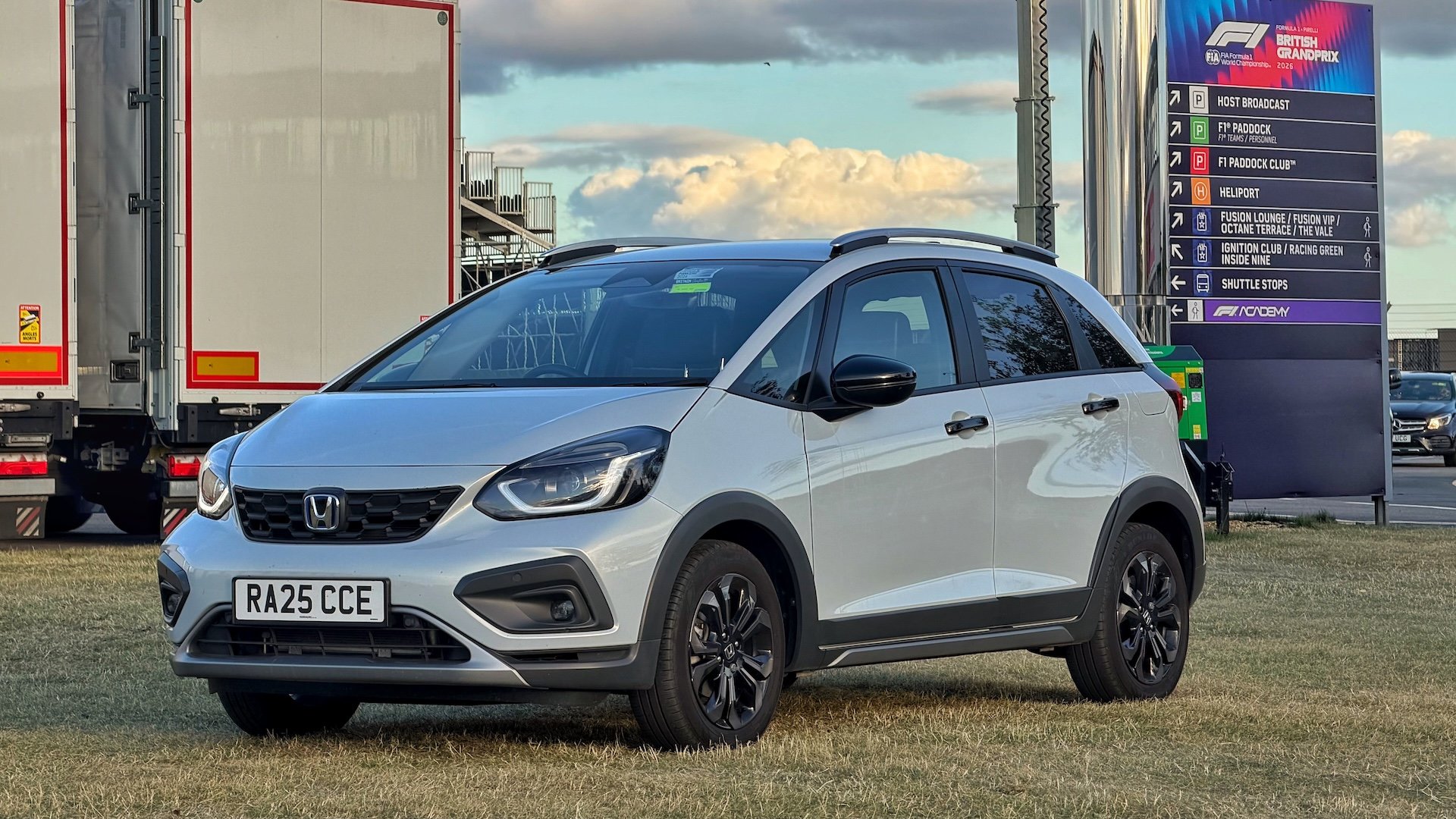
Honda's 2026 Jazz e:HEV brings hybrid efficiency to a market segment largely abandoned in North America. The compact hatchback pairs Honda's e:HEV hybrid system with practical city-car proportions, delivering the kind of fuel economy and everyday usability that resonates with European and Asian buyers. The Jazz remains unavailable in the United States, where Honda discontinued the Fit after 2020, leaving American drivers without an affordable, efficient hatchback from the brand.
The e:HEV powertrain operates as Honda's intelligent hybrid setup, which prioritizes electric motor propulsion at low speeds and automatically engages the gasoline engine when needed for highway driving or acceleration. This approach cuts fuel consumption significantly compared to conventional powertrains while maintaining responsive performance for city driving. For a daily commuter, the Jazz delivers the kind of efficiency that justifies regular fuel stops only every two weeks or longer, depending on driving patterns.
Honda engineered the Jazz for practicality. Its tight footprint makes urban parking effortless, while clever interior packaging maximizes cabin and cargo space. The e:HEV variant adds environmental credentials without sacrifice, blending low emissions with the real-world driving experience buyers expect from Japanese engineering.
The broader context matters. Honda abandoned the U.S. market segment where the Jazz thrives. Domestic automakers ceded affordable hatchback territory to imports and EVs, leaving a void. Buyers wanting efficient, nimble cars now chase Tesla's Model 3 or Volkswagen's ID.3 instead of affordable hybrids. The Jazz e:HEV represents what Honda could offer stateside if consumer demand for small, economical cars still mattered enough to justify local sales.
For European and Asian markets, the Jazz e:HEV serves as the daily workhorse it always has been, now with hybrid efficiency that appeals to