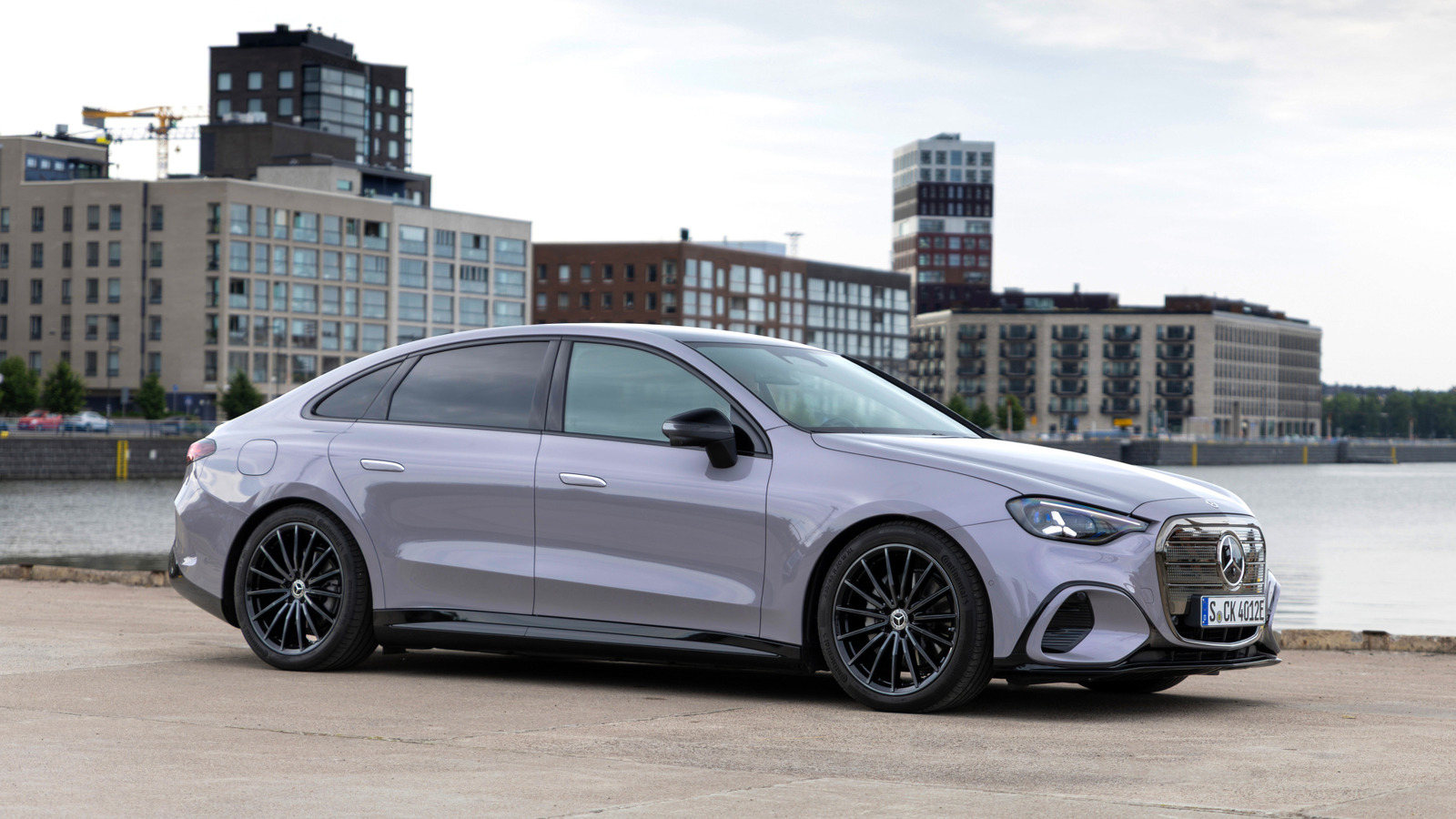
Mercedes-Benz plans to launch an all-electric version of its C-Class sedan by 2027, expanding the compact luxury segment as the automaker navigates volatility in the EV market. The move signals the manufacturer's commitment to electrification across its core lineup, not just flagship models.
The 2027 C-Class EV represents a calculated bet on customer demand for premium electric sedans. Mercedes positions this vehicle as the successor to its gas-burning C-Class, historically the brand's volume player in the luxury segment. Adding an EV variant preserves brand presence in a category facing pressure from Tesla's Model 3 and upcoming Chinese competitors like Li Auto and BYD's premium offerings.
The timing carries risk. The EV market has cooled significantly from the frenzied growth projections of 2020 and 2021. Luxury buyers remain hesitant about electric sedans, preferring SUVs and crossovers. Premium pricing on EV batteries continues to compress profit margins, a problem Mercedes must solve to make the C-Class EV profitable.
Mercedes has not disclosed specifications or battery capacity for the 2027 model. The company likely leverages its modular EV platform, shared with the EQE sedan, to keep development costs reasonable. Range, charging speed, and real-world performance will determine market acceptance against established rivals.
The broader context matters. Traditional luxury automakers including Audi, BMW, and Jaguar all scramble to launch competitive electric sedans. Toyota and Lexus accelerate their hybrid and EV roadmaps. Meanwhile, Tesla maintains pricing power, and Chinese manufacturers close the quality gap at lower price points.
Mercedes' decision to extend the C-Class family into electric territory keeps the brand relevant. The C-Class name carries decades of credibility with buyers who expect refinement, reliability, and resale