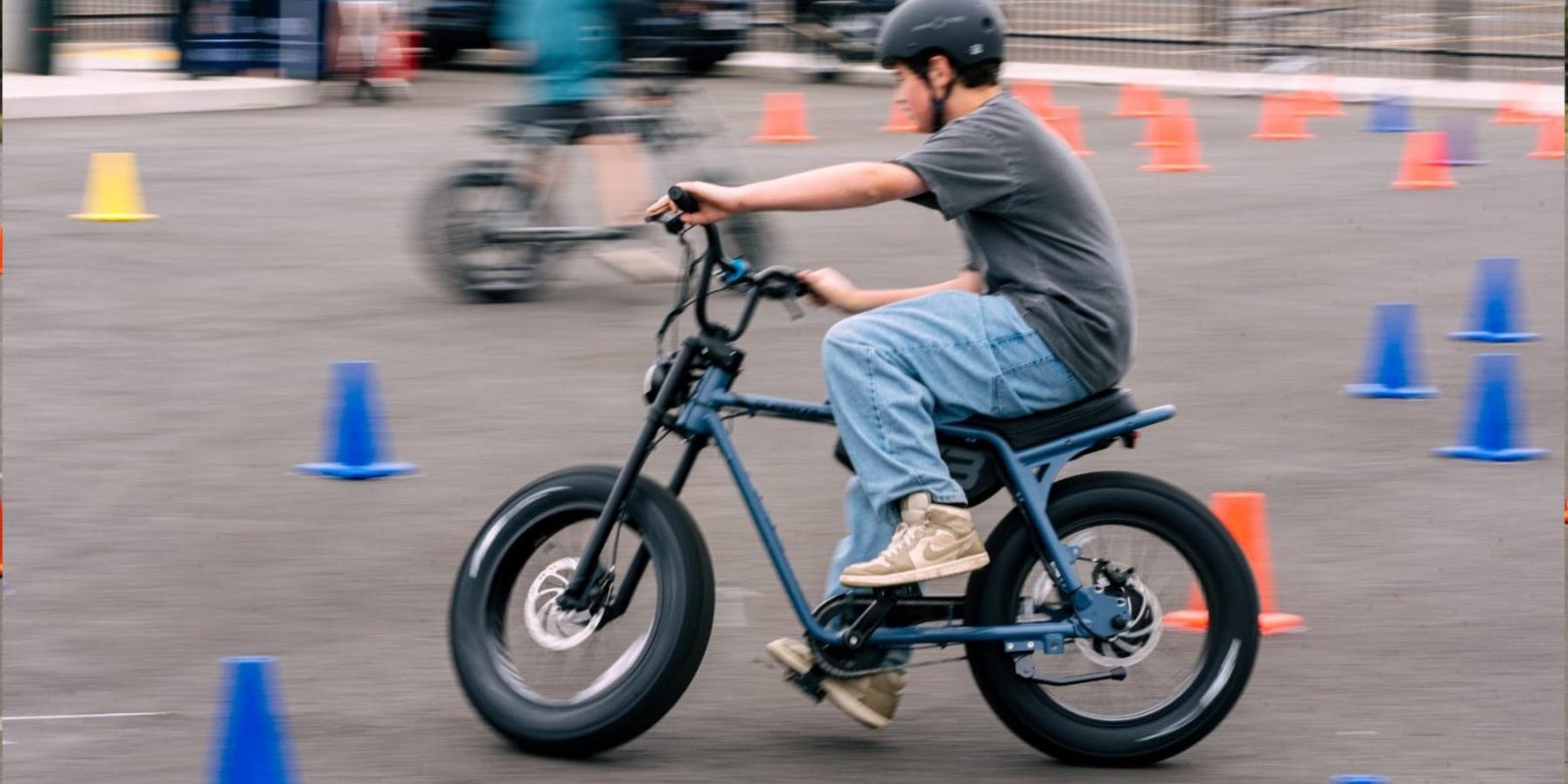
School districts nationwide face mounting pressure to ban e-bikes and e-scooters from campuses, forcing administrators to weigh student mobility against safety risks. The debate pits transportation freedom against crash data and reckless riding incidents that have alarmed parents and officials.
E-bikes and e-scooters offer genuine appeal for student commutes. They reduce car dependency, provide independence, and address the last-mile transportation gap. But adoption outpaced infrastructure. Many American streets lack proper bike lanes or protected pathways. Riders, particularly teenagers, often lack training on handling higher speeds and heavier vehicles than traditional bicycles.
Crash statistics fuel the restrictions. E-bike and e-scooter injuries have climbed as adoption accelerated. Head trauma, fractures, and collisions with pedestrians drive the safety narrative. Some schools cite liability concerns. Others point to near-misses on school grounds where young riders maneuver aggressively around buildings and parking areas.
The regulatory response varies wildly. Some districts ban the devices outright from school property. Others restrict them to certain areas or mandate helmets and safety certification. A few progressive systems treat e-bikes like bicycles, permitting them but requiring training.
The real tension runs deeper. E-bikes democratize transportation for families without cars. Banning them eliminates commute options for students who rely on them. Yet administrators cannot ignore genuine injury risks or the reality that many riders lack experience with powered vehicles capable of 20-28 mph.
The solution likely requires infrastructure investment alongside education. Protected bike lanes separate riders from traffic and pedestrians. Mandatory safety courses teach handling and defensive riding. Age-appropriate speed limiters reduce top speeds for younger users. Some districts have adopted this balanced approach with modest success.
The e-bike debate reflects a broader American problem: we've built streets for cars, then asked other users to navigate them anyway