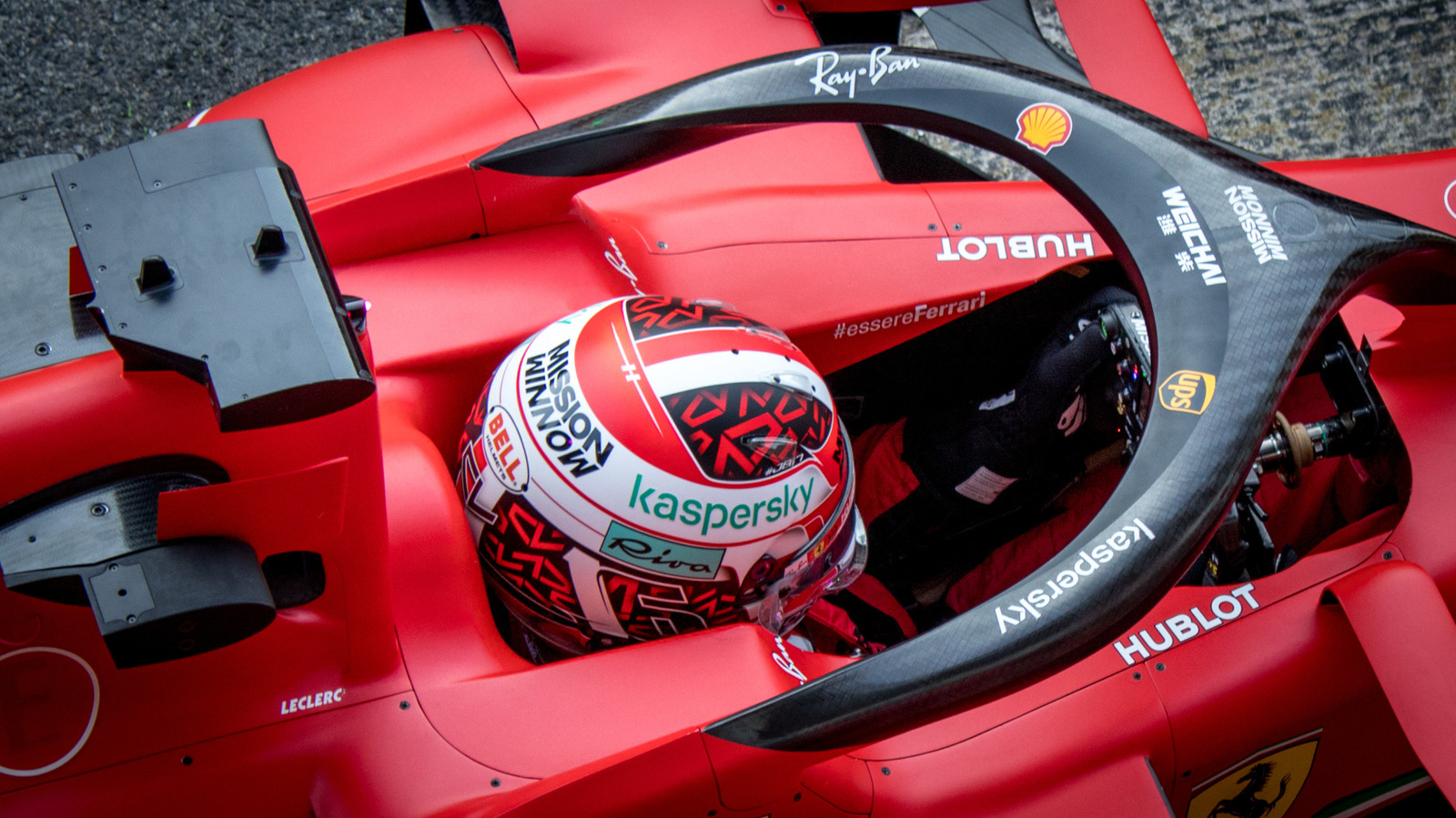
Formula 1 drivers endure lateral g-forces exceeding 5G in high-speed corners, subjecting their bodies to forces equivalent to five times their own weight. This extreme physical demand requires year-round conditioning that goes far beyond typical athlete training.
F1 teams employ specialized fitness programs designed specifically for g-force tolerance. Drivers use centrifuge machines that simulate the rotational forces experienced on track, spinning them at angles that replicate cornering intensities. These sessions build neck strength, core stability, and cardiovascular endurance in ways standard gym work cannot match.
The training regimen includes unconventional exercises. Drivers perform inverted sit-ups on specially designed rigs, neck harness training with weighted resistance, and water immersion protocols to improve cardiovascular response under g-loading. Some teams incorporate neck bridges, where drivers support their entire body weight using only their neck muscles for extended periods.
Hydration and electrolyte management form critical components of g-force training. Proper fluid balance maintains blood pressure during high-speed maneuvers, preventing blackouts and maintaining cognitive function. Teams monitor driver cardiovascular response through biometric sensors during both training and race conditions.
The physical toll accumulates over a 24-race season. Drivers lose significant muscle mass and endurance capacity if they reduce training intensity between races. Top performers like Lewis Hamilton and Max Verstappen maintain consistent conditioning programs year-round, treating off-season training with the same rigor as in-season preparation.
Driver neck strength directly correlates with race performance. Weak neck muscles cause fatigue that impairs steering precision and decision-making in final laps. Enhanced g-tolerance also allows drivers to brake harder and carry more speed through corners without losing consciousness or focus. F1 teams recognize this connection and allocate substantial resources to g-force conditioning programs. The physical preparation separates championship-level drivers from midfield