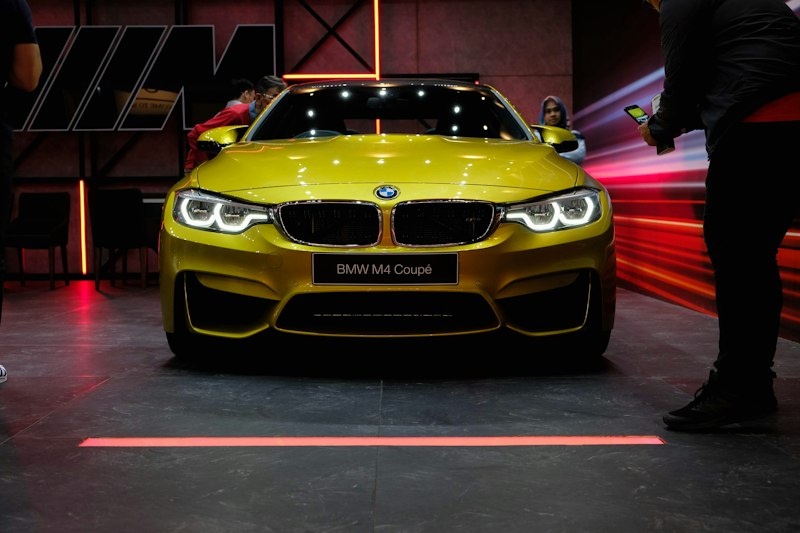
The consensus in automotive circles is comfortable and straightforward: consumers want customization. They want their vehicles to reflect personality. They want Desert Rising Packs and heritage tributes and extreme off-road packages that turn mass-produced vehicles into individual statements.
This narrative is true enough. But it's also too easy. The better question is what this explosion of personalization actually breaks.
Consider the recent wave of limited-edition packages, special trims, and dealer-led customization options flooding the market. Land Rover discontinues the Discovery Sport after eleven years, yet the broader industry responds not by simplifying but by multiplying choices. Ford offers pink Broncos honoring Utah's Great Salt Lake. AEV releases second-generation Super Duty packages for the extreme off-road enthusiast. Even luxury brands like Lotus are leaning into the lightweight, stripped-down aesthetic as a form of distinction.
On the surface, this is capitalism working as intended. Manufacturers identify demand and supply tailored products. Consumers get variety. Everyone wins.
But here's what breaks: the classic relationship between vehicle class and customer identity.
For decades, what you drove said something fixed about who you were. A truck meant you worked in construction or hauling. A sedan meant you valued practicality and stability. A sports car signaled wealth and performance orientation. These categories were porous, sure, but they existed. They created meaning.
Now? An SUV can be anything. It can be pink and commemorative. It can be extreme and utilitarian. It can be lightweight and sporty. It can be family transport or desert warrior or luxury lounge. The SUV category has become so vast and so customizable that it no longer communicates identity. It absorbs all identities.
This creates a genuine problem that the industry hasn't fully reckoned with. When every vehicle can be personalized to match every preference, differentiation becomes infinitely fragmented. The marketing clarity that once came from clear class positioning dissolves. Manufacturers must now convince consumers not just that a vehicle exists in their category, but that it exists specifically for them in a way forty thousand other variations don't.
The real cost isn't to the car companies. They benefit from higher perceived value and extended model lifecycles. The cost is to meaning itself.
When I walk into a parking lot, I want to be able to read the choices people made. I want that information to mean something. Instead, I'm seeing vehicles that could belong to anyone, customized in ways that make them individually distinctive but collectively meaningless.
This is why the industry keeps pushing personalization harder. It's not actually addressing customer desire anymore. It's chasing the feeling of distinction in an environment where distinction has become impossible at scale.
The manufacturers releasing specialty packages aren't wrong about market demand. But they're misreading what demand actually indicates. Consumers don't want more choices because they want personalization. They want more choices because the standard options have become so generic that no vehicle off the lot feels like it reflects anything true about who they are.
The solution isn't more options. It's fewer categories with sharper purpose. But that would mean smaller profits and simpler line-ups. So instead, the industry will continue offering infinite variation on infinite vehicles until the entire concept of "vehicle type" becomes meaningless.
That's what this trend breaks. Not the market. Not the customer. The basic linguistic and cultural function of automotive choice itself.